










Does a heat pump handle humidity in Tennessee

New system or replacementHeat PumpTennessee
Step 1 of 2

What ZIP code is the job in?

Can a heat pump keep up with humidity in Tennessee summers?

Tennessee summers get sticky, and you want to know before you install a new system whether a heat pump will actually dry the air out, not just cool it down. A lot of people associate humidity control with separate AC units, so it's a fair thing to check before you commit to one system for both heating and cooling.

Yes, a properly sized heat pump pulls humidity out of the air the same way a central air conditioner does

A heat pump cools your house the same way an air conditioner does. It pulls warm air across a cold coil, and moisture in that air condenses on the coil and drains away. The only difference between a heat pump and straight AC is what happens in winter, when the heat pump reverses and pulls heat from outside air instead. So the humidity control you get in July is identical either way. What matters more than the equipment type is sizing. A heat pump that's too big for your house cools the air fast and shuts off before it has run long enough to pull much moisture out, leaving the house cold but still sticky. One sized correctly for your home runs longer, steadier cycles and keeps both temperature and humidity in check.

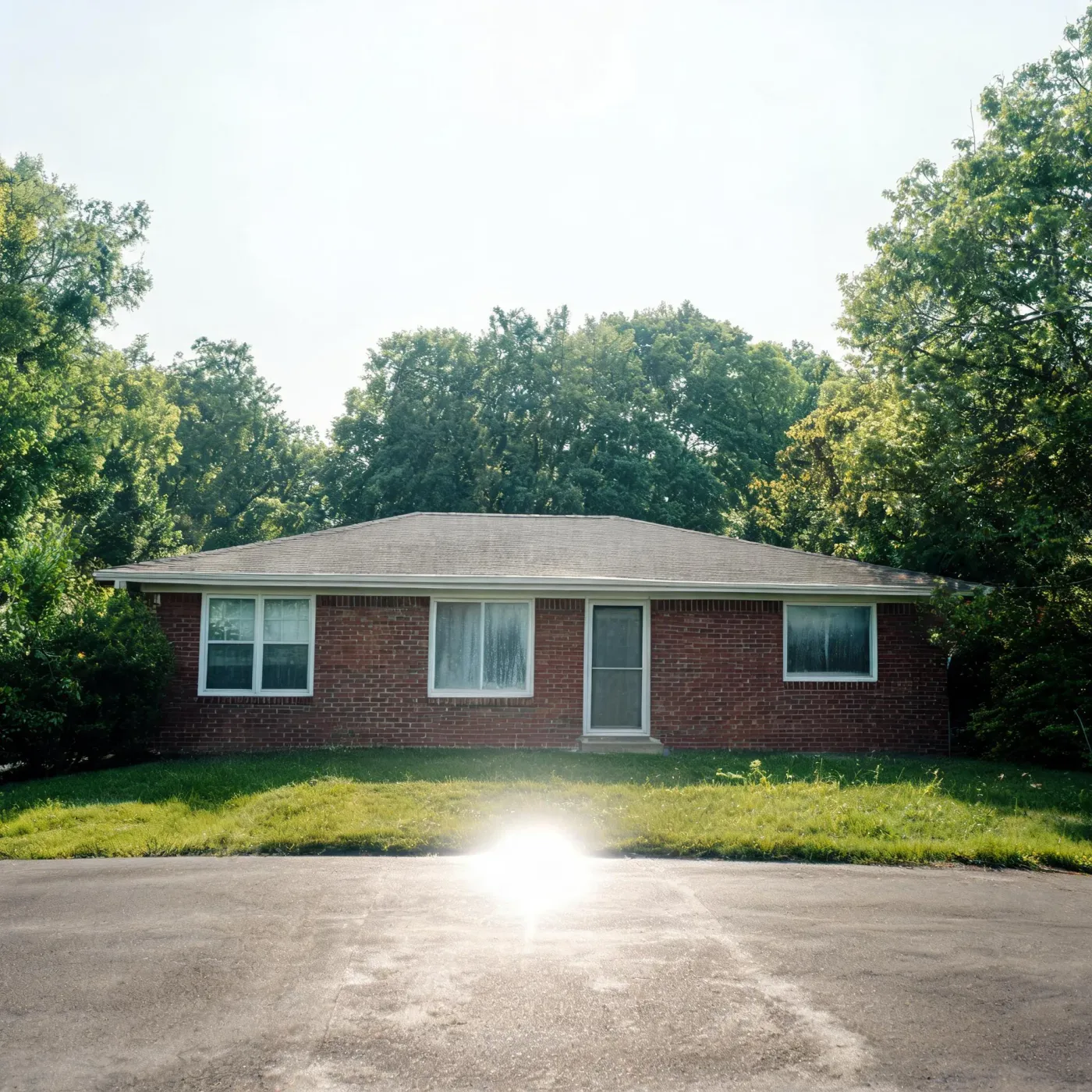
A single-story red brick house with a shingled hip roof, three windows and a central storm door, fronted by a mowed lawn and an asphalt driveway, with dense green trees behind it and sun flare in the foreground.

NOAA data puts the average summer dew point across Tennessee at 66°F. That's the heavy, sticky air you feel from June through August. A heat pump cools your home by pulling moisture out of the air as it runs, and that dew point is what it's working against all summer. At 66°F, your system should be pulling a real amount of water out of the air on a normal run, enough that the house feels dry even when the thermostat hasn't moved much. If the air still feels damp with the AC running, that's usually a sign the unit is short-cycling, or it's sized wrong for your house.

NASA POWER T2MDEW county cells weighted by homes

A smiling man in a denim shirt and white t-shirt stands in an open dark doorway of a stucco house, facing a woman with long brown hair and a green jacket seen from behind in the foreground.

What sticky air does inside your house

You already know the feel of it. Doors stick in the frame. Towels stay damp on the rack. The air inside feels heavy even with the thermostat set low, because a system that's cooling but not pulling out enough moisture leaves the house cold and clammy instead of just cool. Run it that way for a summer and you'll see it on wood floors and trim, maybe on a ceiling in a bathroom with no fan. None of that means the equipment is broken. It means the equipment and the house aren't matched to each other.

Getting that match right takes someone standing in your house, not a guess from a brochure. Square footage, duct layout, how much shade the house gets, whether a room runs warmer than the rest, all of that changes what size and setup actually keeps up with a Tennessee summer. That's the kind of sizing a contractor works out on site. Get matched with one who installs heat pumps in Tennessee and knows the humidity here, and skip the part where you call around and explain your house three different times to three different companies.

Interior corner of a room with a window and sheer curtain at left, a gray upholstered sofa with a cushion at right, and a round wooden table holding stacked books and a round vase with an olive branch.
An outdoor heat pump unit on a concrete pad beside a house corner, with a small electrical box and conduit on the wall, gravel border, grass, and a plain light-colored wall filling the right side.

A heat pump sized right for your house

A heat pump that's too big for your house cools the air fast and shuts off before it's run long enough to pull the moisture out. You get a thermostat that reads 72 and air that still feels wet. Sizing it to your house, not just the square footage but the windows, the shade, how the rooms are laid out, is what makes the difference between a system that cools and one that actually dries the air while it does it.

A grey outdoor heat pump unit on a concrete pad beside a white stucco wall and dark siding with a downpipe, with gravel and grass in the foreground.

A heat pump left to short cycle

If the one you have now, or the one a box-store crew drops in, kicks on and off every few minutes, it's not running long enough to do much against Tennessee's summer air. Short runs chill a room without touching the dew point. You end up turning the thermostat down further to compensate, which costs you more in electricity and still leaves the air feeling damp. The fix is a system matched to the house and installed by someone who checks that it isn't happening.

Power costs 13.22 cents per kilowatt-hour statewide

A heat pump that's pulling humidity down runs long, steady cycles instead of short blasts, and at 13.22 cents per kilowatt-hour that extra run time still costs less here than it would running on gas or oil elsewhere. Getting the size right keeps that cost from climbing while the air stays dry.

EIA-861 2025 statewide residential average

Running it straight through vs cycling it

Some homeowners set the thermostat a few degrees higher during the day and let the heat pump cycle on and off less often to save power. That works fine for temperature. It does less for humidity, because every time the system shuts off, the moisture it pulled out starts creeping back into the air through open windows, doors and whatever gets in from outside. A heat pump that runs more evenly through the day, instead of swinging on and off, keeps pulling moisture out at a steadier rate and holds the inside air drier even if the temperature itself barely moves.

A thermostat with a humidity setting

A plain thermostat only watches temperature, so it can call the heat pump off once the room hits 72 even though the air is still damp. A thermostat that also tracks humidity, or a separate humidistat wired into the system, can keep the heat pump running a little longer to finish the job instead of stopping early. That costs you a bit more run time. What you get back is air that actually feels dry instead of just cool, which matters more in a Tennessee summer than a couple extra degrees on the thermostat.

A woman with long gray hair wrapped in a checked blanket sits on a sofa by a window with yellow autumn foliage outside, with a lamp, framed picture and plant in the background.
An older woman in a cream knit sweater sits on a sofa by a window, looking out at sunlit trees with yellow and orange autumn leaves, with a bookshelf and lamp behind her.
A woman with gray shoulder-length hair in a dark knit sweater sits on a cushioned seat by a window, looking out at yellow autumn foliage, with a living room, armchair, houseplant and framed picture behind her.
An older woman with gray hair in a bun, wearing a cream knit sweater, sits on a sofa with a gray blanket and looks out a large window toward yellow-green autumn trees, with a lit table lamp and dark armchair behind her.

A local pro for your heat pump installation

Skip collecting and comparing quotes for the new heat pump.

You only hire the pro if you want to.

A heat pump working on its own

A heat pump sized and installed right pulls moisture out as it cools, and most homes in Tennessee don't need anything more than that. It runs its cycles, the air comes out dry enough, and the thermostat setting matches how the house actually feels. No extra equipment, no separate system to maintain. For a lot of homes here, especially ones where the ductwork and the heat pump are sized to match each other, this is the whole answer. The air stays comfortable through the muggiest stretch of summer without any added parts working alongside it.


Where a dehumidifier earns its place

Some houses hold onto moisture no matter how well the heat pump is sized, usually because of how air moves through the place or how much moisture gets in from outside. In those homes, a whole-home dehumidifier working alongside the heat pump catches what the system alone doesn't. It runs independent of the thermostat, so it keeps pulling moisture even when the heat pump isn't calling for cooling. It's another piece of equipment to install and maintain, but for a house that stays sticky anyway, it closes the gap a heat pump alone can't.

A woman in a cream knit sweater sits in an armchair with her eyes closed near a window showing yellow autumn foliage, with a mug on a round wooden side table beside her.
A gray-haired man with a beard in a blue button-placket shirt reclines on a couch with his eyes closed, beside a sunlit window with a green plant.

How a heat pump actually pulls moisture out

  • A heat pump moves heat the same way whether it's heating or cooling, by cycling refrigerant between an indoor coil and an outdoor coil.
  • In cooling mode, the indoor coil runs cold enough that moisture in the air condenses on it and drains away through a line to the outside.
  • The reversing valve is what switches the refrigerant flow between heating and cooling, and it's the part that fails most often on a heat pump.
  • Humidity removal happens only while the indoor coil stays cold, so a unit that short cycles never gets the coil cold enough long enough to matter.
  • A heat pump's blower keeps moving air across the coil at a fixed speed on single stage units, which limits how slow and steady a cycle can run.
  • Two stage and variable speed compressors can run a low, steady cycle on purpose, which is what pulls humidity down without overcooling the room.

A heat pump runs on the same refrigerant loop whether it's keeping you warm in January or cooling you down in July. Refrigerant moves between two coils, one outside and one inside, and a part called the reversing valve decides which direction it flows. That valve is the one piece most likely to give out over the life of the unit, since it's doing mechanical work every time the system switches modes. In cooling mode, the indoor coil gets cold, and the air passing over it drops below its dew point. That's when moisture condenses on the coil and drains off through a line outside your house. None of that happens unless the coil stays cold long enough. A system that kicks on, cools the air fast, and shuts off again never gives the coil time to do that part of the job, no matter how low the thermostat is set. The blower matters here too. On a single stage unit, the blower runs at one speed, so the only way to slow down the cycle is through sizing and controls. A two stage or variable speed compressor can run slower on its own, holding a longer, steadier cycle that keeps the coil cold without overcooling the room. That's the difference between a system that just drops the temperature and one that actually dries the air while it does it.

A beige outdoor air conditioning condenser unit on a concrete pad beside a house with horizontal vinyl siding, with refrigerant lines and a disconnect box on the wall, surrounded by dark mulch and a green shrub at left.
A heat pump that's sized and installed right for your house keeps running like this, coil and lines doing their job with nothing to notice.
An outdoor air conditioner condenser unit on a concrete pad beside a house with beige horizontal siding, with conduit running from an electrical box on the wall.
Once it's low on refrigerant or wired wrong, you'll see ice, short cycling, or a unit that runs constantly and still leaves the air feeling wet.

A heat pump sized and installed right for your house will pull that summer humidity down while it cools, same as any other home here with the equipment set up correctly. Whether yours does that comes down to sizing, charge, and the ductwork it's tied into, and that's a installer question, not a question about the equipment itself. Finding someone to look at your house instead of guessing off a chart usually means calling around to a handful of contractors, telling each one the same thing about your house and your ductwork, and sorting through quotes that size things differently. That's the part that takes the time, not the install itself. Getting matched with a contractor who knows what Tennessee summers do to an undersized or poorly installed system skips that part. You tell them once what's going on with your house, and they take it from there.

Corner of a house with light horizontal lap siding, a white gutter and downspout, and a window, beside a mulched bed with small shrubs, a lawn, wooden fence and trees in the background.
Close-up of a white gutter along an asphalt-shingle roof edge with dry brown leaves collected in it, a downspout and lap siding below, and blurred autumn trees in the background.
Exterior corner of a house with horizontal lap siding above a stone veneer base and a dark-framed window, with ornamental grasses and shrubs in the foreground and trees in low sunlight behind.
A white horizontal-siding house with a steep gray shingled gable roof, fronted by trimmed shrubs, a brick walkway, and a lawn scattered with fallen autumn leaves.
Corner of a house with cream horizontal lap siding, a black-framed window, asphalt shingle roof with dark fascia, white hydrangea blooms and green shrubs below, and a leafy tree and wood fence to the right.

Get the right pro for your heat pump

Skip the round of in-home estimates for a new heat pump.

Request a pro

Asking costs nothing, and the choice to hire stays yours.






