
Furnace Installation in Knoxville, TN
A new furnace here will run from October through April every year. Tell us about the house, and a licensed contractor who covers Knox County will get in touch.
Tell us about the job
It takes about a minute.
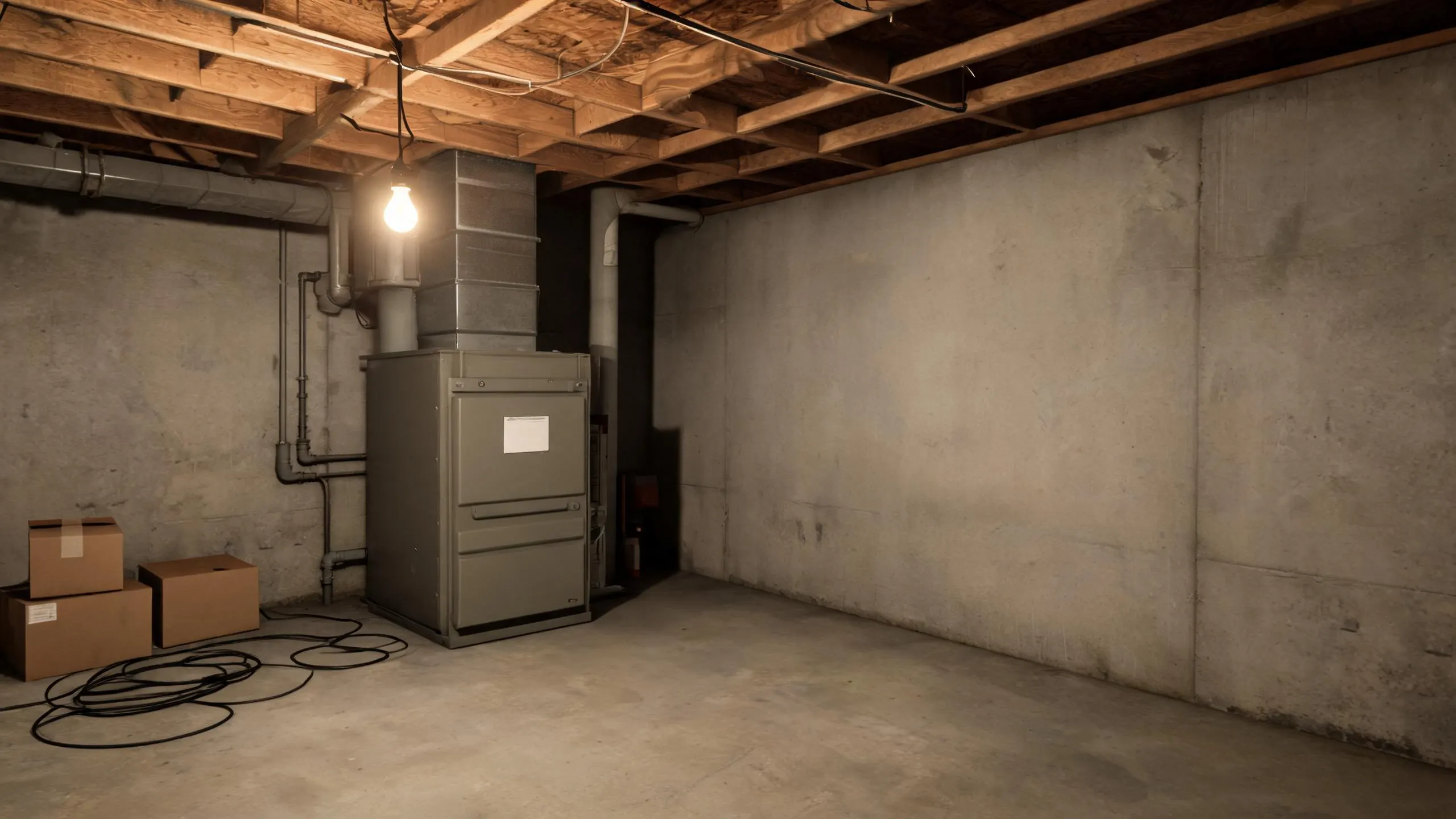
Seven months of heat, and nights near freezing
Knox County homes run the furnace from October through April, seven months out of the year. Winter nights average 31°F, so the burner is cycling on and off most evenings during that stretch, not just during a few cold snaps.
Most homes here heat with electricity, and the power doesn't always stay on. Tennessee saw 20% of households lose power for 24 hours or more in 2024, and the region has logged 13 winter storms and 181 damaging wind events over the past ten years. A new gas furnace is worth weighing for that reason alone. Any non-weatherized gas furnace built since November 2015 has to hit at least 80 percent AFUE, so that efficiency floor is already built into what you'll be offered.
- 7 months
- October through April, your furnace is on duty
- 31°F
- the average winter night it heats against
- 80% AFUE
- the federal minimum any new unit must meet
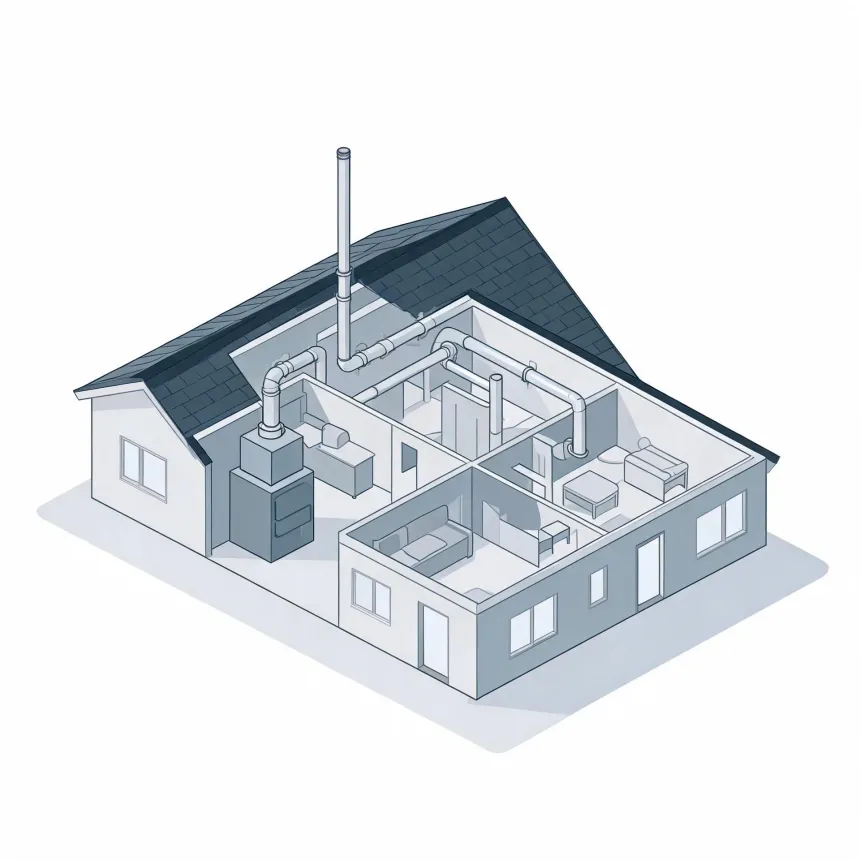
NOAA nClimDiv, 1991–2020 normals
- What size furnace does my house need?
- The right size comes from a load calculation, not the size of your old furnace or the square footage alone. A contractor measures your windows, insulation, ceiling height, and how the house holds heat through a winter night, then sizes the furnace to match. A furnace that's too big cycles on and off and never runs long enough to heat evenly. One that's too small runs constantly and still can't keep up when nights drop to 31 degrees. Ask for the load calculation before you agree to a specific size.
- How do I know it's time to replace my furnace?
- Watch for repairs that keep coming back, an old furnace, or rooms that stay cold no matter how long it runs. Rising gas bills for the same amount of heat is another sign the heat exchanger or burners are losing efficiency. If a contractor has already replaced the igniter, flame sensor, or blower motor once and something else is failing now, you're paying for parts on a furnace near the end of its life. Homes here need heat from October through April, so a furnace that struggles is going to struggle for most of the year, not just a few cold snaps.
- Is a high-efficiency furnace worth it?
- Any new non-weatherized gas furnace sold today has to reach at least 80 percent AFUE by law, so the real question is whether to go higher than that. With winter lows here averaging 31°F and heat needed seven months a year, a furnace that runs this often is one where every point of efficiency actually gets used. Higher-efficiency furnaces also vent differently, usually through PVC pipe instead of a metal flue, which can affect what an installation involves. A contractor can walk through the options and price them for your specific house.