
HVAC Installation in Cleveland, TN
A new system here will heat from October through April and cool from May through September every year. Tell us about the house, and a licensed contractor who covers Bradley County will get in touch.
Tell us about the job
It takes about a minute.

A system that works most of the year in Bradley County
Your heating and cooling run almost every month here. Winter nights average 32°F from December through February, and homes need heat from October through April, seven months straight. Then summer afternoons average 88°F and the air conditioner takes over for the five months after that. There is barely a break between one season and the next, so the equipment you install has to be sized right for both jobs, not just one.
Most homes in this area heat with electricity, which means the furnace or heat pump you choose is also tied to what the power company charges and how the grid holds up. That matters here. Tennessee saw 20 percent of households lose power for at least 24 hours in 2024, and Bradley County has logged 12 winter storms and 60 damaging wind events over the past ten years. A new system installed here should be able to take a hit from weather and come back on without help.
- 7 months
- October through April, your system heats
- 5 months
- May through September, it cools
- 32°F
- the average winter night it heats against
- 88°F
- the average summer afternoon it cools against
NOAA nClimDiv, 1991–2020 normals
- When should I replace my HVAC system?
- Replace it when repairs are getting expensive and frequent, or when the age of the system makes a breakdown likely soon. Furnaces and air conditioners both have a normal service life, and once a system is near the end of it, spending more money on repairs stops making sense. Homes here need heat from October through April and cooling from May through September, so there is no real off season where a broken system can just wait. A contractor can look at the age and condition of your equipment and tell you whether repairing or replacing is the better move.
- Should I replace my furnace and air conditioner at the same time?
- If they are close in age, replacing them together is usually worth considering. A furnace and air conditioner installed at the same time are matched to work together, and putting in one new piece of equipment while leaving an old blower or coil in place can mean the new part is never sized right for what it's paired with. It also means one installation instead of two. If one system is much newer than the other, replacing only the older one still makes sense. A contractor can tell you whether your existing equipment is a good match for whatever you're replacing.
- What happens during an HVAC installation?
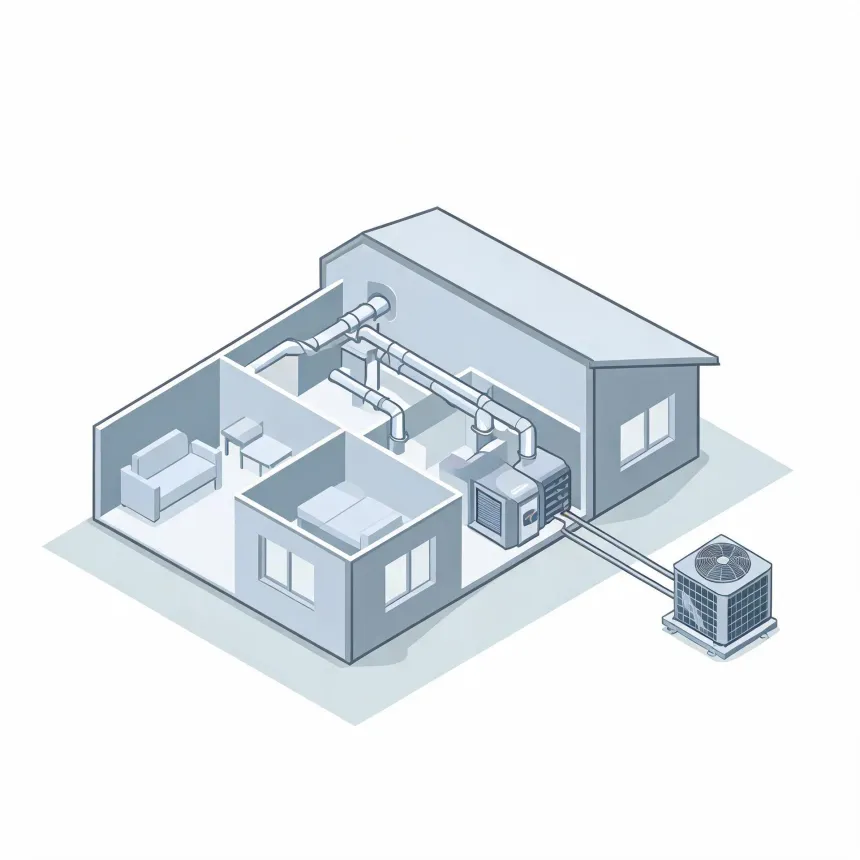
- A contractor removes the old equipment, then installs the new furnace, air conditioner, or both, along with anything that needs to change to fit them, like ductwork connections, refrigerant lines, or electrical hookups. Once everything is in place, they test the system, check refrigerant levels and airflow, and confirm it's heating or cooling correctly before they leave. The exact steps depend on what's being replaced and what condition the rest of the system is in. A contractor who looks at your setup can walk you through what your installation will involve.