
HVAC Installation in Maryville, TN
A new system here will heat from October through April and cool from May through September every year. Tell us about the house, and a licensed contractor who covers Blount County will get in touch.
Tell us about the job
It takes about a minute.
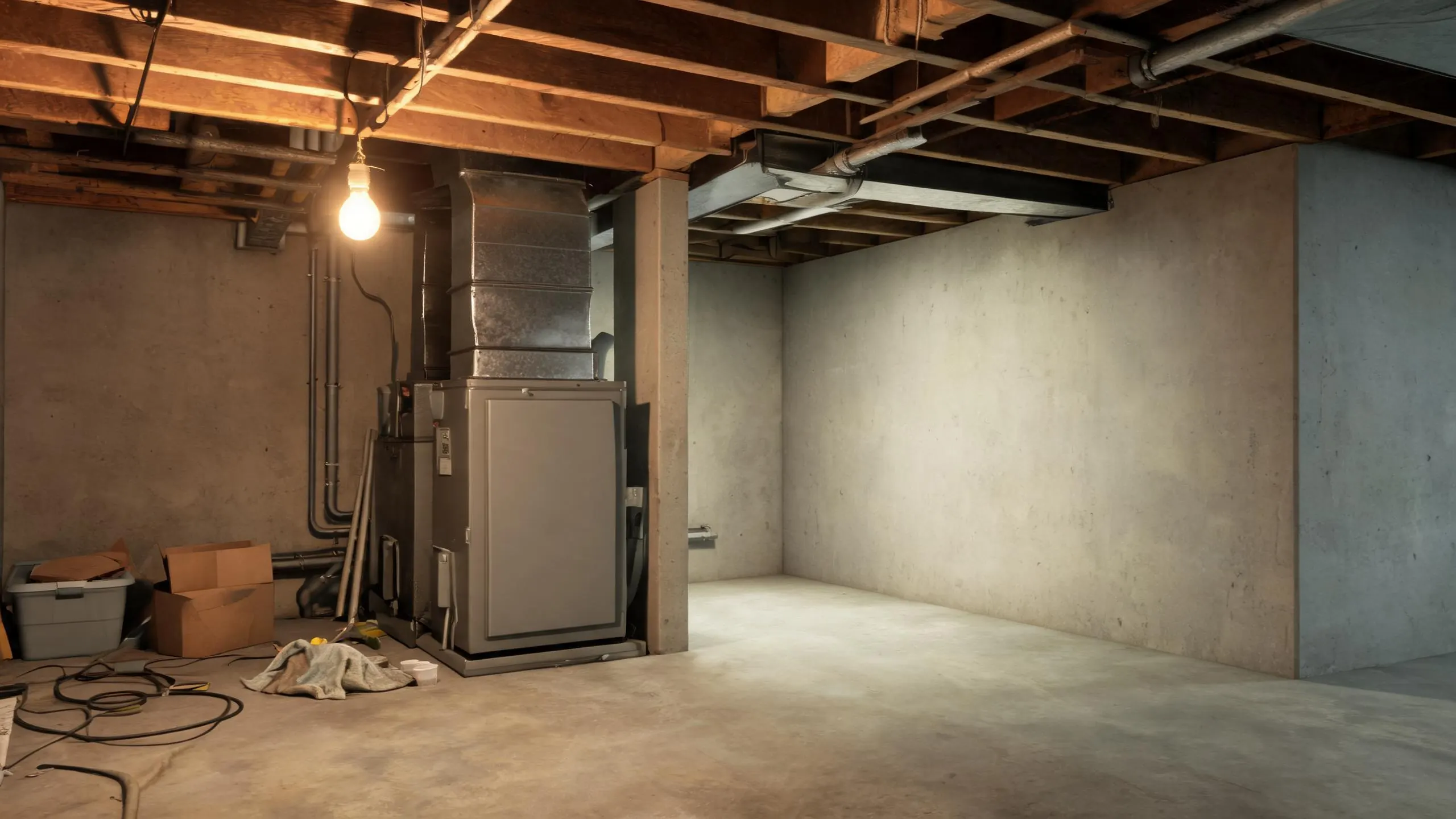
A system that works almost every month of the year
Blount County homes need heat or cooling in all twelve months. Winter nights average 31°F from December through February, and summer afternoons run to 86°F, so a new system has to handle both ends without much rest between them. Heat runs October through April, seven months, and cooling picks up for the five months after that.
Most homes here heat with electricity, and the equipment has to be sized for both jobs, not just one. The area has also seen its share of winter storms and damaging wind over the past ten years, and a fifth of Tennessee households lost power for a day or more in 2024. That is worth knowing when you are deciding what kind of system to put in and how it holds up when the power goes out.
- 7 months
- October through April, your system heats
- 5 months
- May through September, it cools
- 31°F
- the average winter night it heats against
- 86°F
- the average summer afternoon it cools against
NOAA nClimDiv, 1991–2020 normals
- When should I replace my HVAC system?
- Replace it when repairs start costing more than they're worth or when the system can't keep up anymore. A furnace or air conditioner that needs frequent repairs, or one that runs constantly without getting your home to temperature, is telling you something. Homes here need heat from October through April and cooling from May through September, so a failing system has almost no season to hide in. A contractor can tell you whether what you have is worth fixing or worth replacing.
- Should I replace my furnace and air conditioner at the same time?
- If they are close in age, replacing them together often makes sense, but it depends on the condition of each unit. A furnace and air conditioner installed at the same time tend to wear out around the same time too, and an old furnace paired with a new air conditioner can mean a mismatch that keeps either one from running the way it should. If one unit is much newer than the other, a contractor can check whether it is still compatible with a replacement for the other side.
- What happens during an HVAC installation?
- A contractor removes the old equipment, then sets the new furnace, air conditioner, or both in place and connects them to your ductwork, electrical, gas line, and condensate drain as needed. They check the refrigerant charge, test the airflow, and confirm the thermostat is talking to the new equipment correctly. Once it's running, they check that it's heating or cooling the way it should before calling the job done. The exact steps depend on what's being replaced and what your home already has in place, so a contractor will walk you through what applies to your system.