
HVAC Repair in Greeneville, TN
Homes here need heat from October through April and cooling from June through September. If your system quits, tell us what it's doing and a licensed contractor who covers Greene County will get in touch.
Tell us about the job
It takes about a minute.
Eleven months of work a year
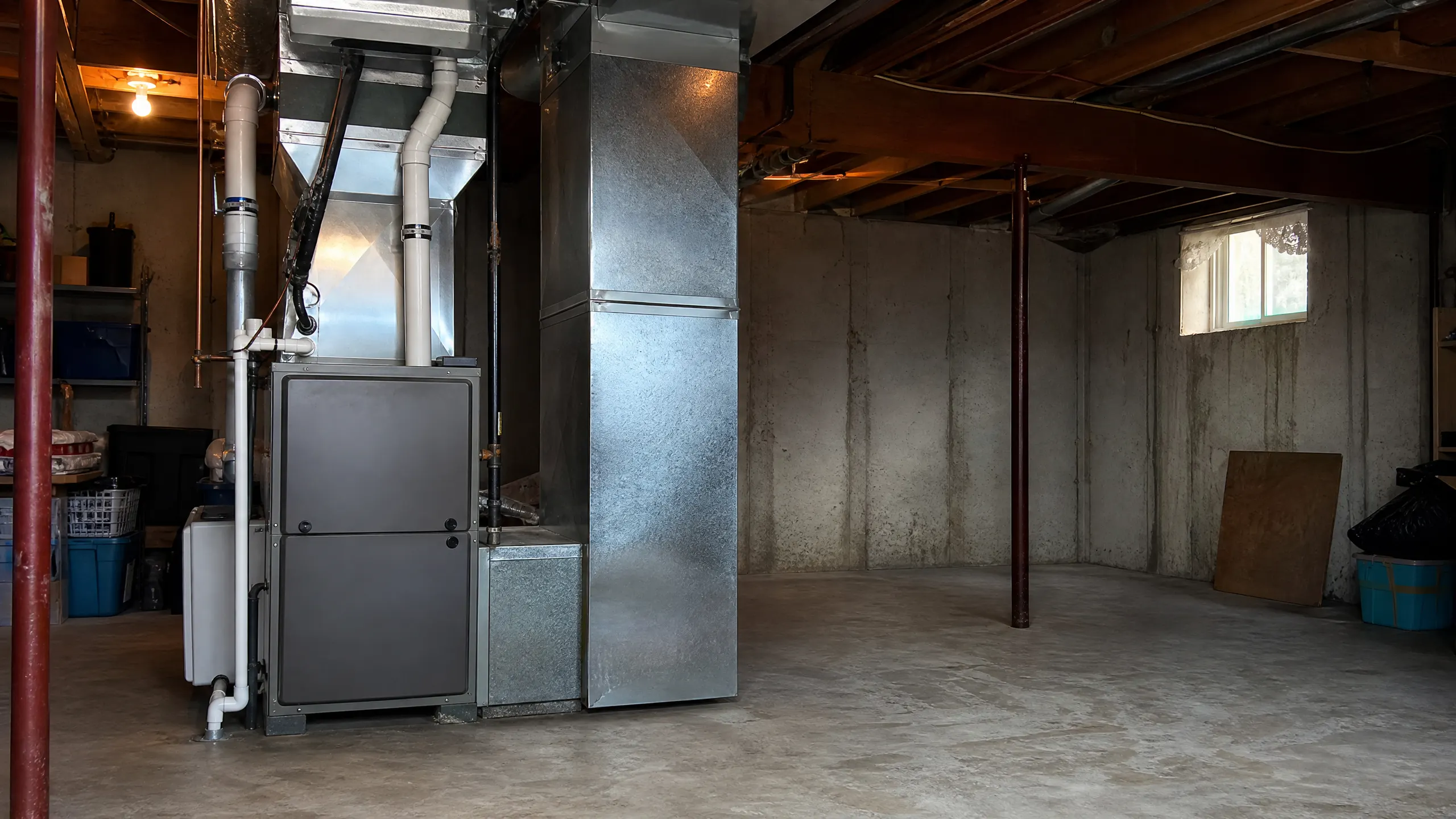
Greene County gets about one month of rest from heating or cooling. Furnaces and heat pumps run October through April, with winter nights averaging 30°F from December through February. Most homes here heat with electricity, so that equipment is carrying the load through all of that cold. Air conditioners take over June through September, cycling through afternoons that average 86°F.
That kind of run time wears on igniters, contactors, and capacitors before their time. Storms add to it. Greene County has seen 99 damaging wind events and 25 winter storms over the past ten years, and a fifth of Tennessee households lost power for a full day or more in 2024. A hard shutdown and restart is rough on a system, and it shows up afterward as a furnace that won't light or an AC that won't start.
- 7 months
- October through April, your system heats
- 4 months
- June through September, it cools
- 30°F
- the average winter night it heats against
- 86°F
- the average summer afternoon it cools against
NOAA nClimDiv, 1991–2020 normals
- Why is my heat not working?
- Start with the thermostat. Make sure it's set to heat and the temperature is set above the room temperature, since a setting bumped by accident is the most common reason heat won't come on. Check your breaker panel next, since a tripped breaker will cut power to the furnace without any other warning sign. If the thermostat calls for heat and the breaker is fine but nothing happens, the igniter or flame sensor may need attention, and that's a job for a contractor to diagnose. With winter nights here averaging 30°F, it's worth checking these things quickly rather than waiting.
- Why is my system running but not cooling the house?
- Check the air filter first. A clogged filter blocks airflow across the coil, and when that happens the coil can freeze over and stop cooling the air even though the system keeps running. Check your outdoor unit too. If the fan isn't spinning or the area around it is packed with leaves or debris, the unit can't release the heat it's pulling from inside the house. If the filter is clean and the outdoor unit is running normally, the system may be low on refrigerant, which means a leak somewhere in the lines, and that needs a contractor to find and fix.
- What can I check before calling for HVAC repair?
- Check the thermostat settings and batteries first. A dead battery or a setting changed by someone in the house causes more no-heat and no-cool calls than an actual equipment failure. Check the breaker panel to rule out a tripped breaker. Look at the air filter and replace it if it's dirty, since restricted airflow can look like a bigger problem than it is. If your system uses a condensate drain, check whether the pan underneath it is full, since many furnaces and air conditioners shut themselves off when that happens to prevent water damage. If you've checked these and the system still isn't working, a contractor can diagnose what's left.