








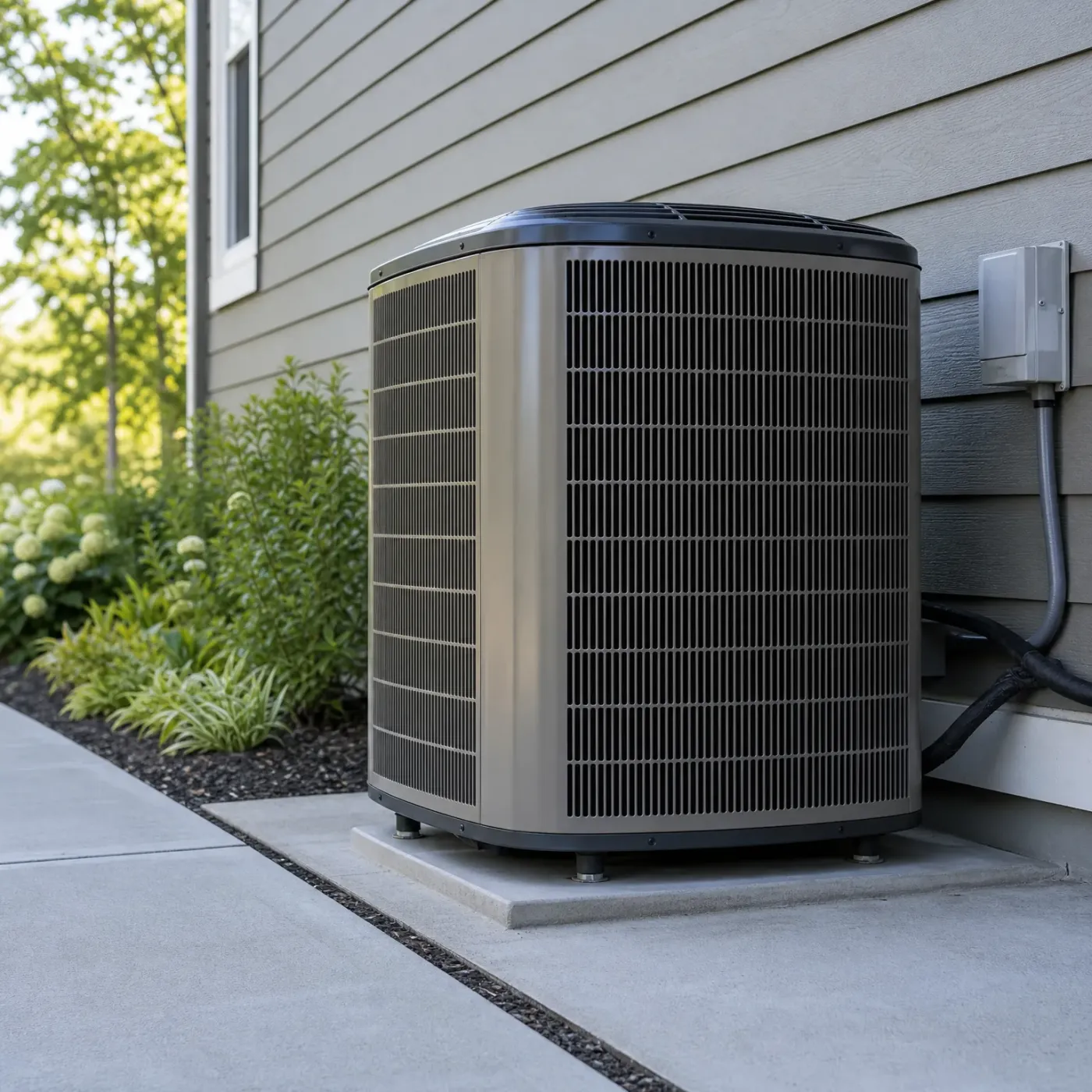



An outdoor air conditioning condenser unit on a concrete pad beside a house with horizontal siding, with an electrical disconnect box on the wall and shrubs to the right in low evening light.

Get the right pro for your air conditioner

Does closing vents help your AC in Tennessee

Closing vents in rooms you don't use sounds like an easy way to push more cold air where you need it. With a Tennessee summer, that matters. This page looks at what closing vents actually does to your AC, and when a strained system is worth having a contractor check out.

Find my pro

Closing vents does not help your AC. It can hurt it. Your system is designed to move a certain amount of air. When you shut vents in a few rooms, that air has nowhere to go, so pressure builds up in the ductwork. The blower has to push against that pressure, which puts more strain on the motor and can crack ducts or loosen their seams over time. Closed vents can also let the coil ice over, because the airflow across it drops below what it needs to stay warm enough not to freeze. None of this cools the rooms you left open any faster. The air just backs up and leaks out wherever the ducts are weakest, often into the attic or crawlspace instead of your living room. If some rooms run warmer than others, the fix is a system that can actually handle that, not fewer vents open on the one you have.

A gray outdoor air conditioning condenser unit on a concrete pad beside a house with horizontal lap siding, with a conduit and electrical disconnect box on the wall and a green shrub in mulch to the right.
The system moves air the way it was designed to, every vent open, pressure even through the ducts.
A weathered outdoor air conditioner condenser unit on a concrete pad beside a house with horizontal vinyl siding, with a conduit and disconnect box on the wall to the right.
Dirt cakes the grille and leaves pile against the base while the airflow problem stays hidden inside.

What Closing a Vent Actually Does

  • Your blower is sized to move air against a set amount of resistance, called static pressure.
  • Closing vents raises static pressure past what the blower motor was built to handle.
  • Higher pressure pushes air out through gaps in duct joints instead of into the rooms left open.
  • The coil needs a steady volume of air moving across it to pull heat out of your house.
  • Less air across the coil lets it run cold enough to frost over, even in July heat.
  • A motor working against extra pressure draws more current and wears down its bearings faster.

Every AC is built around one number: how much air the blower can move against a certain resistance in the ducts. That resistance is called static pressure, and the whole system is sized around it, the duct widths, the blower speed, all of it. Close vents in a few rooms and that air still has to go somewhere. It backs up into the ductwork, and static pressure climbs past what the blower motor was built to push against. Some of that air finds its way out through the small gaps at duct joints and seams, so it ends up inside your walls or attic instead of the rooms you left open. Meanwhile the coil inside your air handler depends on a steady volume of air moving across it to do its job, which is pulling heat and moisture out of the air in your house. Starve it of airflow and it can run too cold. In July, with the system working hardest, that coil can frost over, ice building up on refrigerant lines that should just be cool to the touch. The blower motor feels the strain too. Pushing against higher pressure than it was designed for means it draws more current every time it runs, and that extra load wears down its bearings faster than a system moving air the way it was built to.

A woman in a cream sweater with her hair in a bun laughs while seated at a stone counter holding a glass of red wine, in a dimly lit interior with a sofa, houseplants and a large window at night.
A woman with long dark hair in a cream knit sweater laughs while looking off to the side, seated in front of a dimly lit kitchen with an island, stools, open shelving and a potted plant, with a glass of red wine in the foreground.
A smiling woman with long dark wavy hair in a light knit sweater sits at a marble counter with a glass of red wine, with a dimly lit living room and kitchen in the background.
A smiling woman with long wavy brown hair in a beige sweater sits at a white marble counter with a glass of red wine, with a living room, dining table and kitchen cabinets behind her.

What that pressure goes looking for

Air under pressure finds the nearest way out. In most duct systems that means the seams at the joints, not the register in the room you closed off. A few degrees of extra pressure is enough to push conditioned air into a crawlspace or an attic instead of your living room. You paid to cool that air and now it is cooling a space nobody uses. The thermostat still reads warm, so the system keeps running, trying to satisfy a room that the air never reaches.

What it does to the coil

Less air moving across the evaporator coil means the coil has less warm air to absorb before it gets too cold. Below a certain point the moisture on the coil freezes instead of draining off. Once ice forms, it blocks even more airflow, so the problem gets worse on its own. A coil that freezes over on a sticky Tennessee afternoon can take hours to thaw before the system cools anything again. That is the kind of visit a contractor gets called out for.

An outdoor air conditioner condenser unit on a concrete pad beside a house with horizontal lap siding, with a conduit running to a gray electrical disconnect box on the wall.
Before you get your air conditioner maintenance
A gray outdoor air conditioner condenser unit on a concrete pad beside a house with horizontal lap siding, with a wall-mounted disconnect box and conduit at left and a green shrub and mulch bed at right.
After you get your air conditioner maintenance
An outdoor air conditioning condenser unit on a concrete pad beside a house with horizontal lap siding, with a gray electrical disconnect box and conduit on the wall and green shrubs and trees to the left.

A pro who works on air conditioners

Skip calling around to set up an air conditioner tune-up.

A local pro who services air conditioners gets in touch about the tune-up.

Get an air conditioner pro

There's no charge for the request.

Will closing vents in my house make my AC work harder?

Will closing vents in my house make my AC work harder?

Yes. It makes the blower work against more resistance.

Yes, closing vents makes the blower work harder. The motor still tries to move the same volume of air it was built to move. With fewer vents open, that air has fewer places to go, so static pressure rises in the ducts and the blower has to push against it. In Tennessee, where the AC runs for months on end, that strain adds up. A blower under constant extra load wears faster and the system cools less evenly, even in the rooms where you left vents open. Closing a vent or two for an afternoon is not what causes trouble. Leaving several shut all summer is.

A bearded man in a dark navy sweater over a collared shirt smiles and looks off to the side while seated at a dinner table with a glass of red wine, a lit candle, and a plate of food in the foreground of a dimly lit room.
A woman in a dark gray sweater reclines on a couch with her eyes closed and a knit blanket over her lap, an open book resting face-down in front of her, with a lit table lamp and shelving blurred in the background.
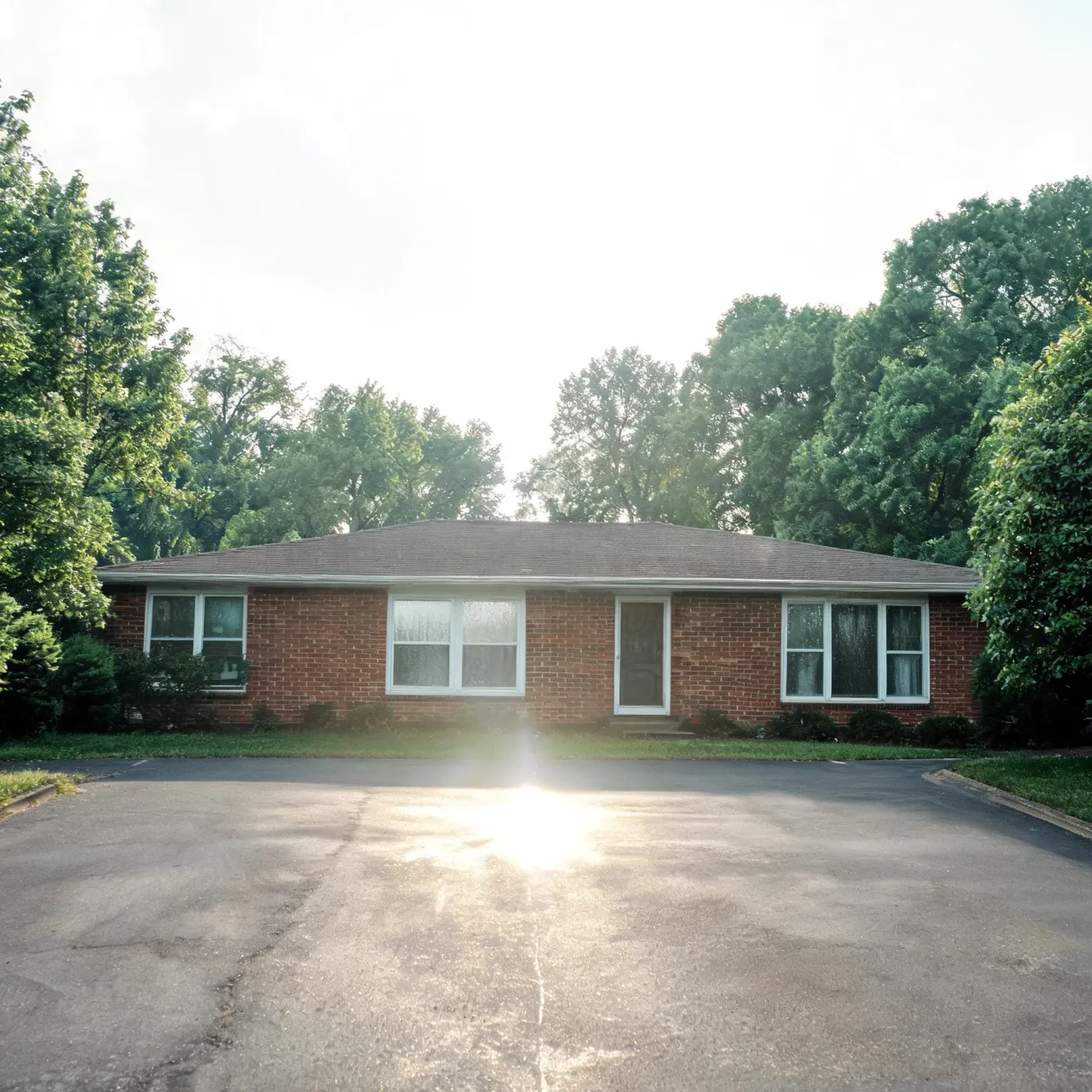
A single-story red brick ranch house with a low shingled roof, white-framed windows and a central door, fronted by a large asphalt parking area with sun glare, surrounded by leafy green trees.

The National Weather Service puts the average summer dew point across Tennessee at 66°F for June, July and August. That's the sticky range, the air that sits on your skin the second you step outside. Your AC has to pull that moisture out of the air before the house feels comfortable, not just cool it down. That's extra work the blower and coil do all summer. Closing vents and raising the pressure in your ducts on top of that gives the system two problems at once instead of one. The moisture load alone keeps your AC running long stretches most days from June through August. Adding airflow resistance on top of it is the wrong direction.

NASA POWER T2MDEW county cells weighted by homes

What are you noticing in the rooms you closed off

A room with the vent shut stays warmer than the rest of the house even though you sealed it off to help the others. Meanwhile the rooms you left open never cool down the way they used to. You might hear the blower running longer than it used to, or notice the air coming out of the open vents feels weaker than before. Some homes pick up a musty smell near closets or crawlspace doors, a sign that conditioned air is leaking into spaces it was never meant to reach. The real cost shows up on the electric bill, since the system is working harder and running longer to do the same job it used to do with less effort.

A gray outdoor air conditioning condenser unit on a concrete pad beside a house with horizontal lap siding, with a wall-mounted disconnect box and conduit, and shrubs to the left.

All vents open

This condenser outside is doing what it was built to do, moving air through a system with no blocked registers and no extra resistance. The pad stays clear. Whatever runs inside stays matched to what the blower was sized for from the start.


An outdoor air conditioning condenser unit on a concrete pad beside a house with horizontal siding and a concrete foundation, with dry brown leaves on the ground to either side.

Vents closed, system strained

This unit sits dirty, buried in leaves, the kind of neglect that hides what is happening in the ductwork behind it. A system fighting pressure from closed vents looks the same from outside. The strain is in the coil and the motor, not on the pad.

Power costs 13.22 cents per kilowatt-hour statewide

At 13.22 cents per kilowatt-hour, every hour your blower spends pushing against closed vents shows up on the bill. A strained motor pulls more power to move the same air, so the fix isn't shutting more rooms off, it's getting the system checked.

EIA-861 2025 statewide residential average

An outdoor air conditioner condenser unit on a concrete pad beside a house with beige horizontal siding and a stone-veneer base, with refrigerant lines running to a gray wall-mounted electrical box, surrounded by dark mulch, a flowering shrub and an evergreen on the left.

Running clean, vents open

That condenser sitting on the pad by the siding is moving air the way it's supposed to, pulling the same load it was matched to when it went in. No vents closed upstream, no extra strain on the motor. The bed next to it stays tended because nothing inside is working hard enough to go wrong.

An outdoor air conditioning condenser unit on a concrete pad beside a house with light vinyl siding, an electrical disconnect box and conduit on the wall, bare shrubs and mulch to the right, and a concrete walkway in the foreground.

Running strained, vents closed

Nothing looks wrong from the yard. The condenser sits by the same kind of wall, the same disconnect box on the siding. But inside, the blower has been pushing against shut vents for weeks. A motor working that hard wears out sooner than one that isn't.

A woman stands in the open doorway of a white stucco house holding the dark door, facing a man in a black cap and shirt seen from behind in the blurred foreground, with a potted flowering plant beside the entry.

Leave the vents open

Closing vents doesn't help your AC in Tennessee. It raises the pressure in your ducts and makes the blower work against resistance it wasn't built for. Open every vent in the house and let the system move air the way it was sized to move it.

If a room still won't cool down with the vents open, or the system seems to be working harder than it used to, that's worth having someone look at. A contractor who services your area can check static pressure, look at what's going on in the ducts, and tell you what your system actually needs instead of you guessing room by room.

Interior corner of a dining room with a round wooden table, a ceramic vase holding olive branches, a dark spindle-back chair near a curtained window, and a sideboard with a lamp against beige walls.
An outdoor air conditioner condenser unit sits on a concrete pad beside a house with horizontal siding and stone veneer, next to mulch, shrubs, and grass.

Get your air conditioner to the right pro

Tune-up, service, or cleaningCentral ACTennessee
Step 1 of 2

What ZIP code is the job in?



