
Duct Cleaning in Morristown, TN
Tell us about your home, and a licensed contractor who covers Hamblen County will get in touch.
Tell us about the job
It takes about a minute.
Step 1 of 3: Equipment

Seven months of heating keeps pushing air through the same ducts
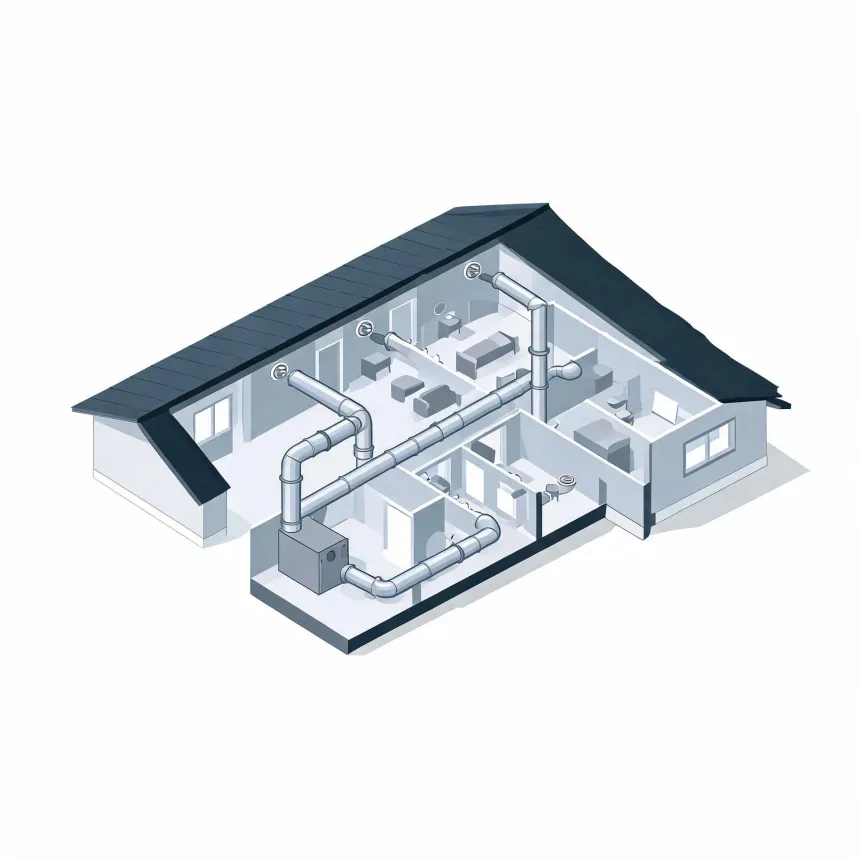
Your furnace runs October through April here, seven months of the year. On the nights that average 30°F, it cycles on and off for hours at a stretch, and every cycle pulls household dust and pet hair into the ducts before pushing it back out through the vents.
Hamblen County has also logged 19 winter storms and 59 damaging wind events over the past ten years. Storms like that knock out power, and when a system sits off for a stretch and then kicks back on, it stirs up whatever has settled in the ducts since the last cycle.
- 7 months
- October through April, your furnace pushes air through your ducts
- 5 months
- May through September, your air conditioner does the same
Jan
Feb
Mar
Apr
May
Jun
Jul
Aug
Sep
Oct
Nov
Dec
NOAA nClimDiv, 1991–2020 normals
- How often should air ducts be cleaned?
- Most homes do fine having it done every few years, though there's no fixed number that fits every house. If anyone in the house has allergies, or you've had recent duct work or a pest problem, it's worth doing sooner. Homes here run the furnace from October through April, so ducts pick up dust and debris over those months that a cleaning will clear out.
- Is air duct cleaning worth it?
- It's worth it if you can see dust coming out of the vents, notice a musty smell when the system runs, or can't remember the last time it was done. It won't fix a furnace that's struggling or lower a utility bill on its own. What it does is clear out what's built up inside the ducts so the air moving through your house is cleaner and the system isn't pushing air through a layer of dust and debris.
- What does air duct cleaning involve?
- A contractor connects a vacuum system to the ductwork and uses brushes or air tools to loosen dust and debris from inside the ducts, then pulls it all out through the vacuum. They'll check the supply and return vents, the main trunk lines, and the coil area near the furnace or air handler while they're at it. The system stays under negative pressure during the cleaning so what gets knocked loose doesn't blow back into the house.