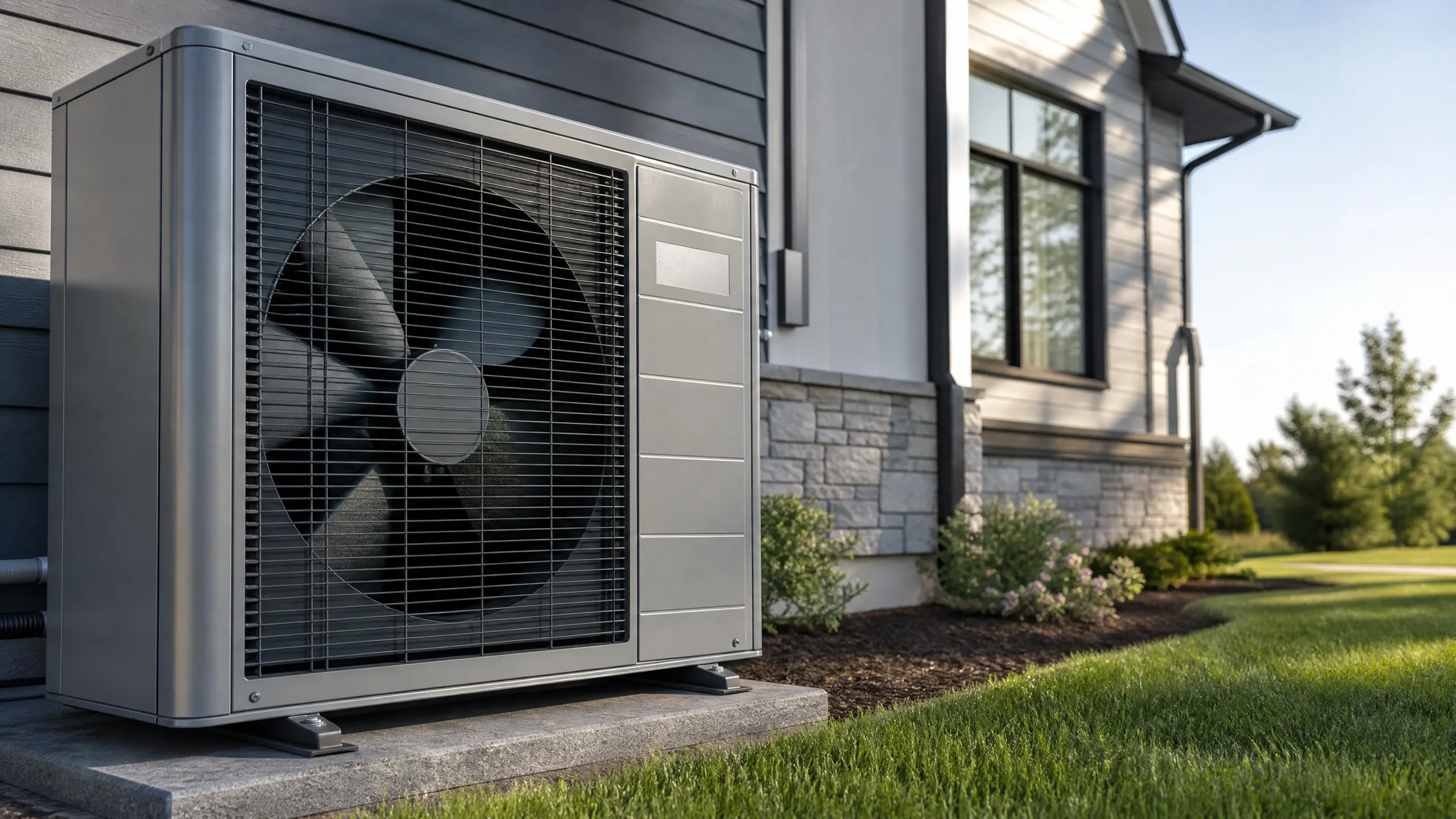
Heat Pump Repair in Jackson, TN
Homes here need heat from October through April and cooling from May through September. If your system quits, tell us what it's doing and a licensed contractor who covers Madison County will get in touch.
Tell us about the job
It takes about a minute.
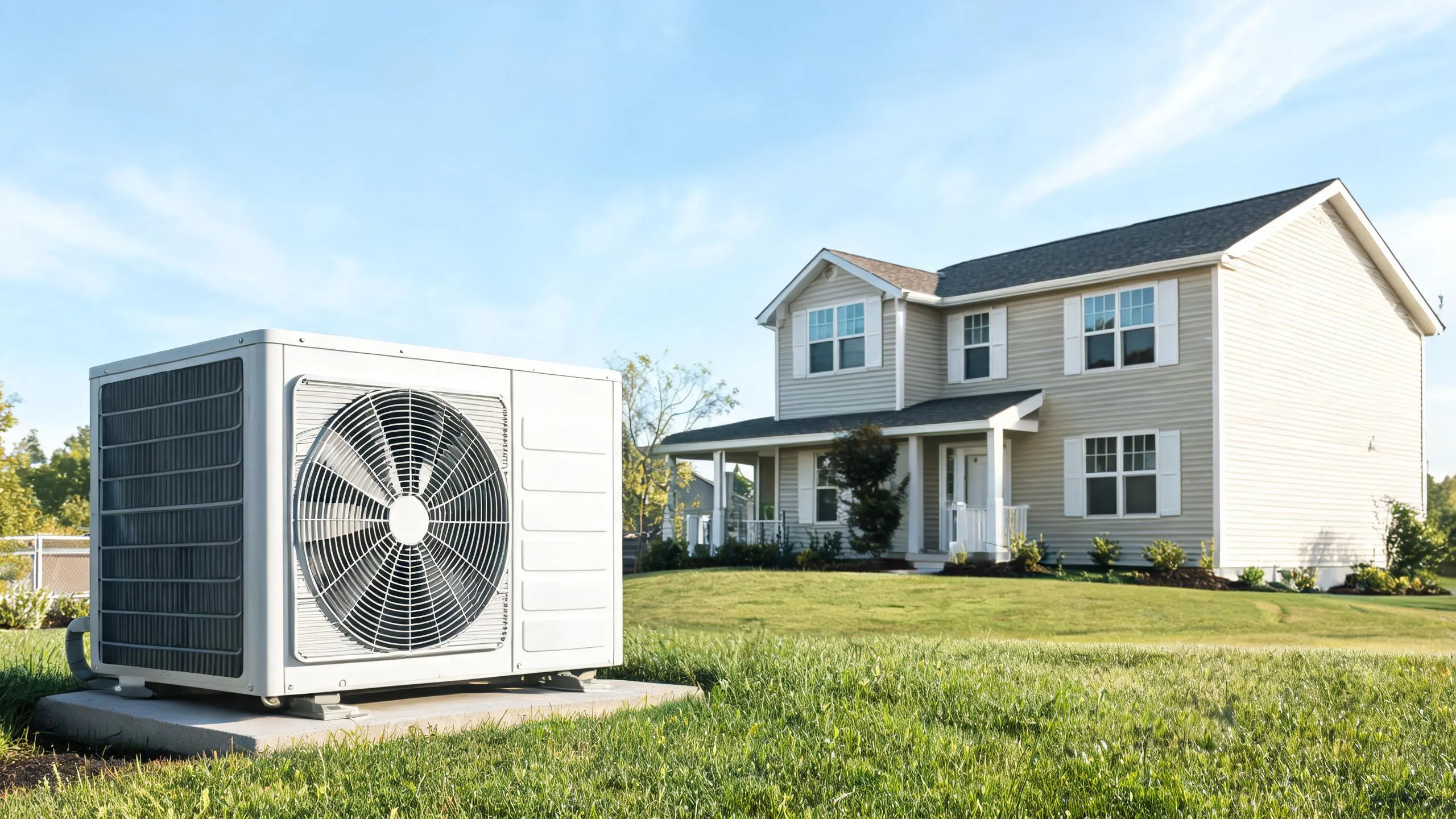
Your heat pump runs almost every day of the year in Jackson
Homes here need heat October through April, then cooling May through September. That's twelve months a year on the same system, just running in different directions.
Winter nights averaging 32°F mean the outdoor coil is often icing up and the system has to switch into defrost to clear it. That switching wears on the reversing valve, and a stuck reversing valve leaves you with heat when you need cooling, or the other way around. Summer afternoons near 89°F push the compressor hard for months at a stretch, and a compressor working that hard wears out its start components sooner. Add in power interruptions from storms, and a heat pump's control board can trip or need a manual reset before it will run again.
- 7 months
- October through April, your system heats
- 5 months
- May through September, it cools
- 32°F
- the average winter night it heats against
- 89°F
- the average summer afternoon it cools against
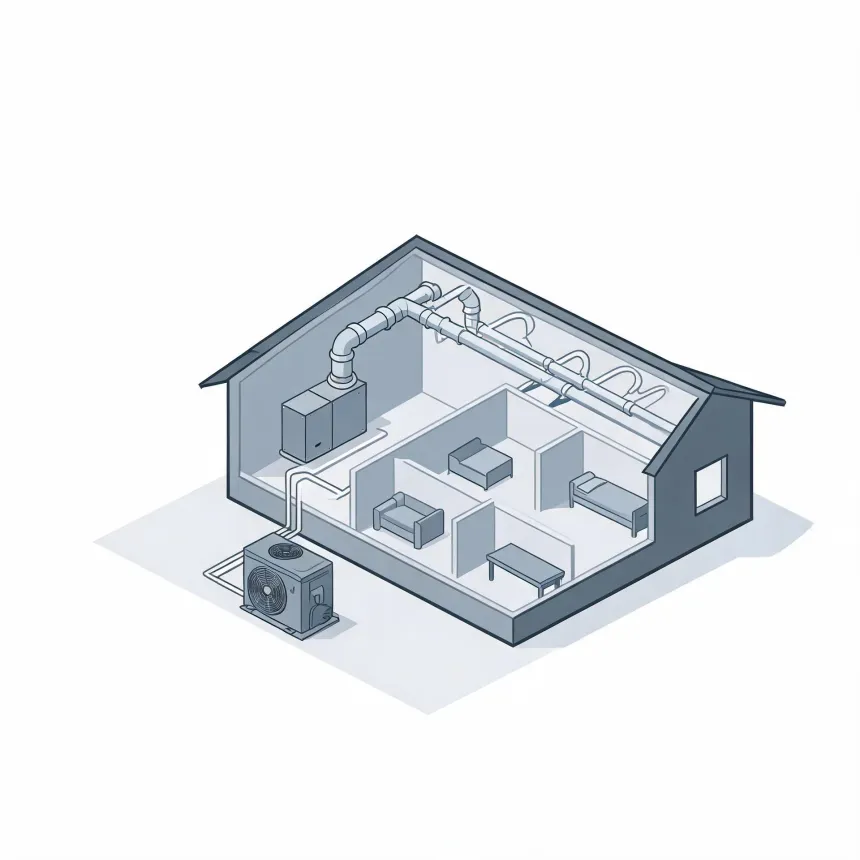
NOAA nClimDiv, 1991–2020 normals
- Why is my heat pump blowing cold air?
- In heating mode, a heat pump puts out air that feels cool next to your skin even when it is working right, because it is warmer than the room but still well below body temperature. If the air is actually cold, not just cool, check that the outdoor unit is running and not iced over. When nights drop to 32°F and below here, a pump that is low on refrigerant or stuck in defrost can lose its heat output, and it will blow air with no warmth in it at all. A contractor can check the refrigerant charge and the defrost cycle to find out which it is.
- Why is there ice on my heat pump?
- Some frost on the outdoor unit during cold weather is normal, and the system clears it on its own through a defrost cycle several times a day. A heavy layer of ice that does not go away means the defrost cycle is not working, airflow is blocked, or the refrigerant charge is off. Check first that nothing is stacked against the unit and that the coil fins are not packed with leaves or dirt. If the ice keeps building after that, the defrost control or a refrigerant leak needs a contractor to look at it.
- Why is my heat pump running but not cooling?
- If the unit runs but the air coming out is not cold, the most common cause is low refrigerant from a leak, a dirty outdoor coil that cannot shed heat, or a failing compressor. Start by checking the air filter and making sure the outdoor unit has clear space around it, since blocked airflow on either side will cut cooling output. On the hottest afternoons here, when it is pushing 89°F outside, a system that is already low on refrigerant or short on airflow will struggle the most and may not cool the house at all. A contractor needs to check refrigerant levels and the compressor to find the actual cause.