
HVAC Installation in Jackson, TN
A new system here will heat from October through April and cool from May through September every year. Tell us about the house, and a licensed contractor who covers Madison County will get in touch.
Tell us about the job
It takes about a minute.
Madison County asks for both, most of the year
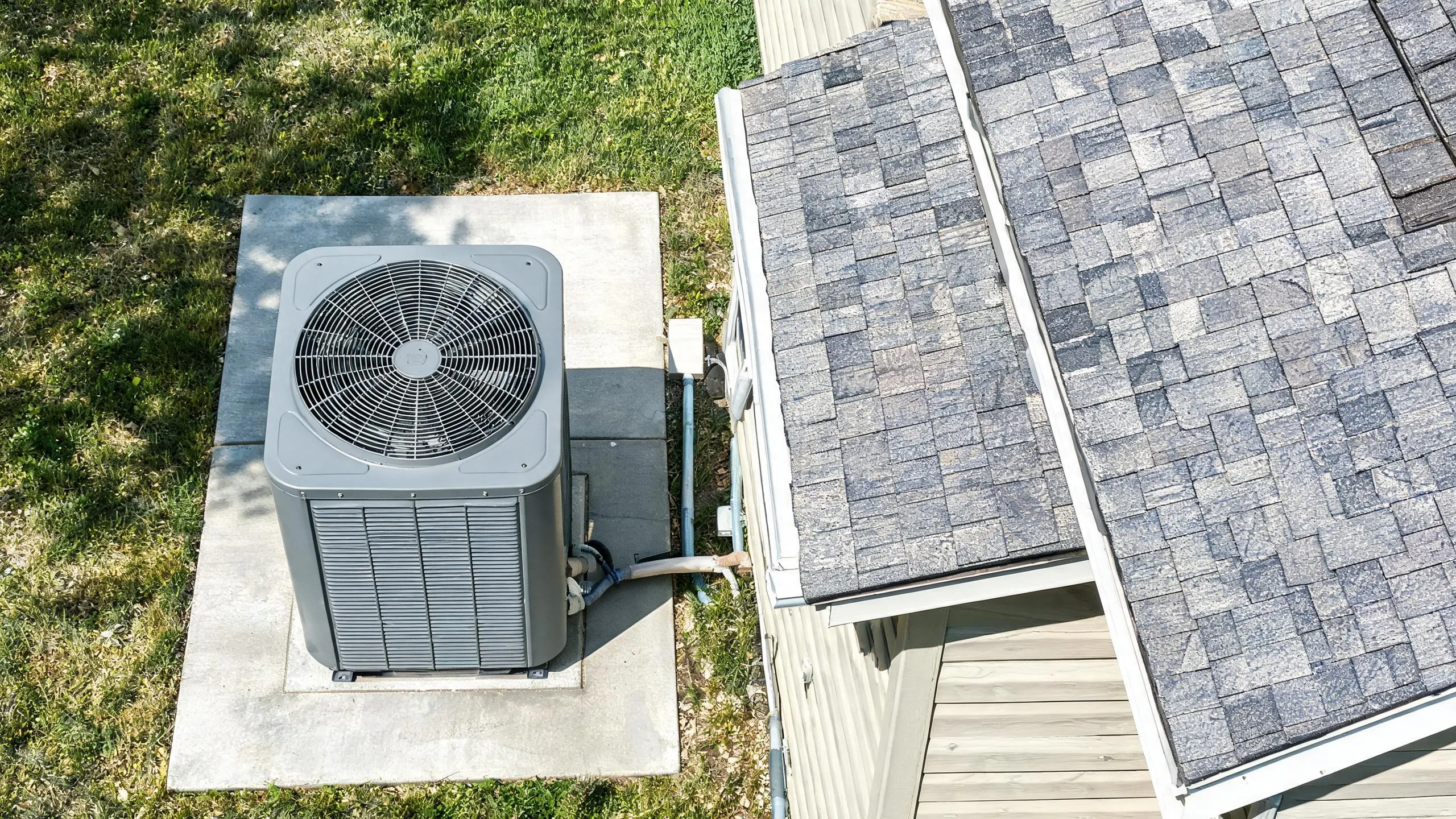
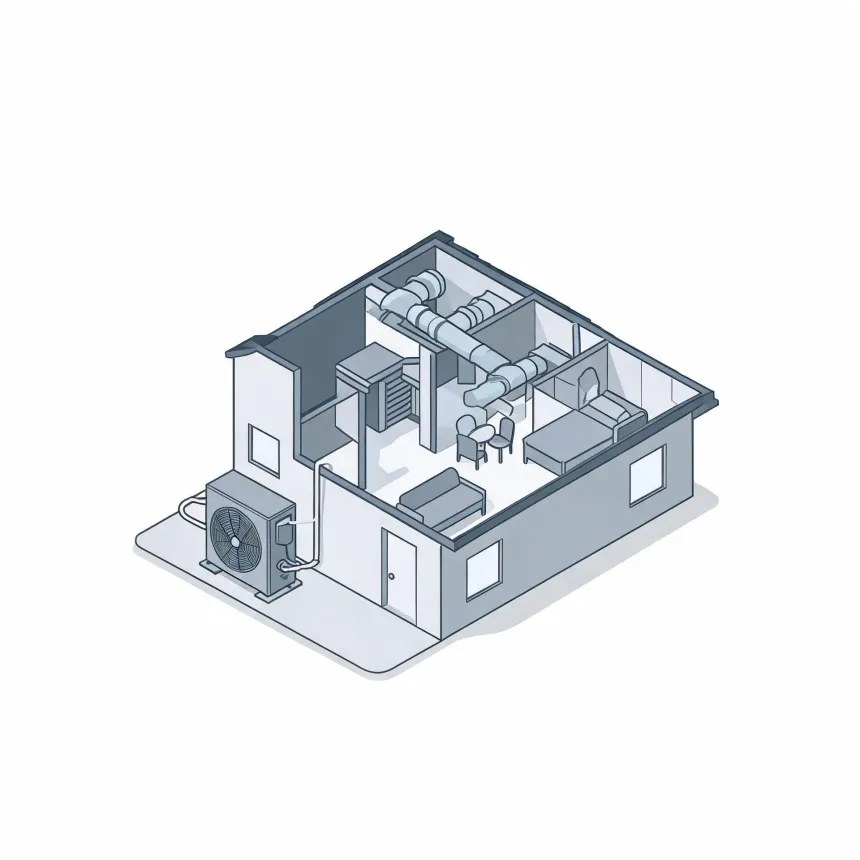
Your system works here twelve months a year. Heat from October through April, seven months of it, with winter nights averaging 32°F. Then cooling picks up in May and runs through September, with afternoons averaging 89°F. There is barely a break between one season and the next.
A new furnace or heat pump has to handle that cold reliably, and a new air conditioner or heat pump has to keep up through five months of 89°F afternoons. Power is worth planning around too. One in five Tennessee households went at least 24 hours without power in 2024, and Madison County has seen 14 winter storms and 45 damaging wind events over the past ten years. When you're choosing a new system, it's worth asking your contractor how it holds up when the power drops and the weather doesn't let up.
- 7 months
- October through April, your system heats
- 5 months
- May through September, it cools
- 32°F
- the average winter night it heats against
- 89°F
- the average summer afternoon it cools against
NOAA nClimDiv, 1991–2020 normals
- When should I replace my HVAC system?
- Replace it when repairs get frequent, or when a breakdown happens during the months you rely on it most. Homes here need heat October through April and cooling May through September, so this system runs nearly all year with little rest in between. A failure in the cold months or the hot ones leaves you without relief until parts arrive and the work is done. Rising energy bills with no other explanation are another sign the system is working harder than it should. If a contractor has already repaired the same part more than once, replacement is usually the better move.
- Should I replace my furnace and air conditioner at the same time?
- If both are old, yes, it is worth doing together. A furnace and air conditioner installed at the same time are matched to work as one system, and pairing an old unit with a new one can mean the new one never runs at its rated efficiency. It also means one visit and one disruption instead of two, which matters here since homes run one system or the other almost every month of the year. If only one has failed and the other is still young, a contractor can tell you whether they will work well together or should be replaced as a pair.
- What happens during an HVAC installation?
- A contractor removes the old equipment, checks the ductwork and electrical or gas connections, and sets the new furnace, air conditioner, or both in place. They connect the refrigerant lines, wiring, and ducts, then run the system through a heating and cooling cycle to check airflow, pressure, and temperature. Any issues with the ducts or electrical work get addressed at this point, since sealing those in after the fact is harder. The contractor can walk through the specific steps for your house and how long the job will take.