
HVAC Repair in Crossville, TN
Homes here need heat from October through April and cooling from June through September. If your system quits, tell us what it's doing and a licensed contractor who covers Cumberland County will get in touch.
Tell us about the job
It takes about a minute.
Eleven months of work, on a system that only gets four off
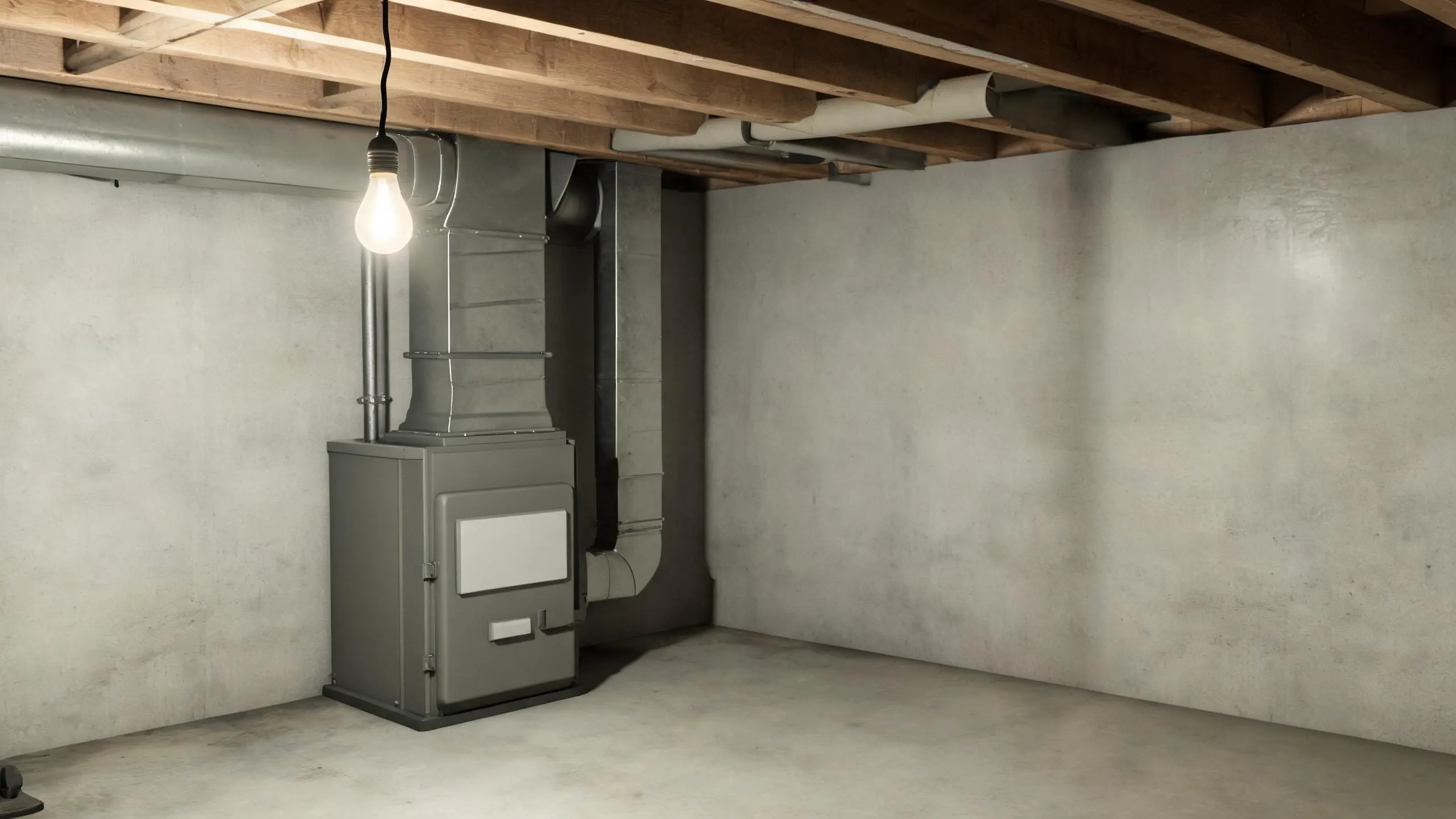
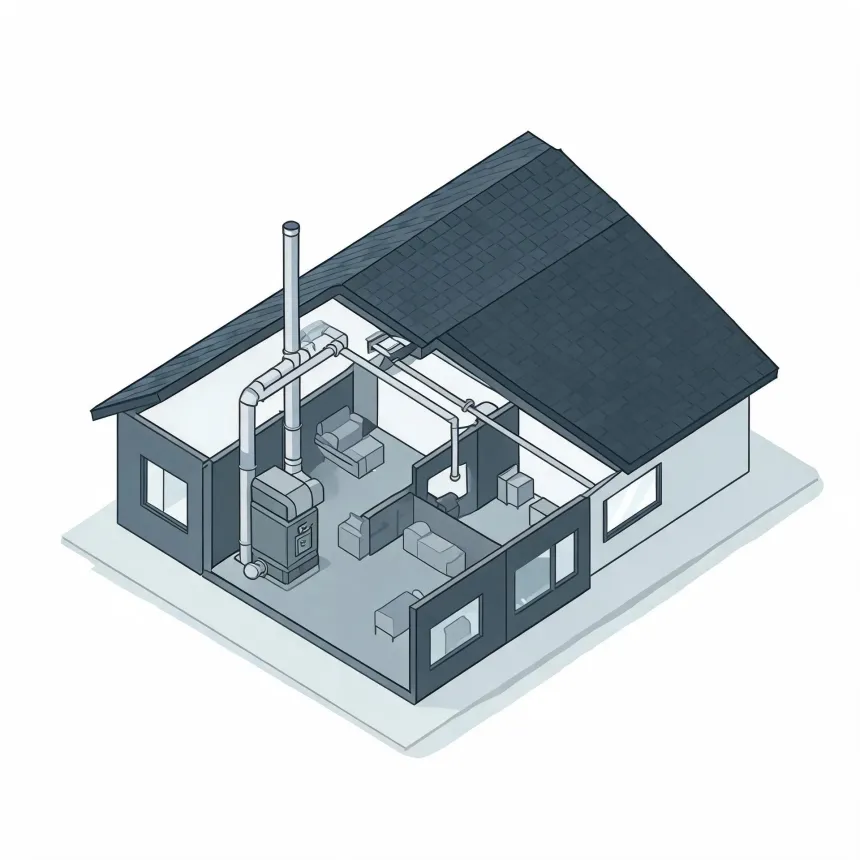
Your furnace runs from October through April here, and the air conditioner takes over for June through September. That leaves almost no month where the system just sits. Winter nights averaging 29°F mean long, steady burner cycles night after night, and summer afternoons near 83°F keep the compressor working hard through most of the day.
Cumberland County has seen 54 damaging wind events and 10 winter storms over the past ten years, and power loss follows storms like that. Almost half the homes here heat with electricity, so when the power drops, so does the heat. If your system runs on a heat pump or electric furnace, a storm outage means no heat until power is back, and the system will need to be reset or checked over once it is.
- 7 months
- October through April, your system heats
- 4 months
- June through September, it cools
- 29°F
- the average winter night it heats against
- 83°F
- the average summer afternoon it cools against
NOAA nClimDiv, 1991–2020 normals
- Why is my heat not working?
- Start with the thermostat and the power to the furnace before you assume the worst. Check that the thermostat is set to heat and a few degrees above room temperature, and check the breaker if the display is blank. If you have a gas furnace, look for a light on the control board, some flash in a pattern that tells you what stopped it from lighting. If the furnace runs but no warm air comes out, or it will not start at all, a contractor needs to look at it, and with nights averaging 29°F here in winter this is not one to leave for long.
- Why is my system running but not cooling the house?
- Check the air filter first. A filter clogged with dust blocks airflow across the indoor coil, and the coil can ice over, which means the air coming out feels warm even though the system is running. Check the outdoor unit too. If the outdoor fan is not spinning, or you hear it humming without turning, the compressor may still be trying to run and that can damage it. If the filter is clean and the outdoor unit sounds normal but the house still is not cooling, the refrigerant charge or a part inside the system likely needs a contractor's attention.
- What can I check before calling for HVAC repair?
- Check the thermostat settings, the batteries in it if it uses them, and the breaker for the system before anything else. A tripped breaker or a thermostat set wrong looks exactly like a broken system and costs nothing to rule out. Check the air filter next and replace it if it is gray or clogged, since a blocked filter causes problems that look like bigger failures. If the outdoor unit has leaves or debris packed around it, clear that away too. Once you have checked those and the problem is still there, tell the contractor what you found. It narrows down what they need to look at first.