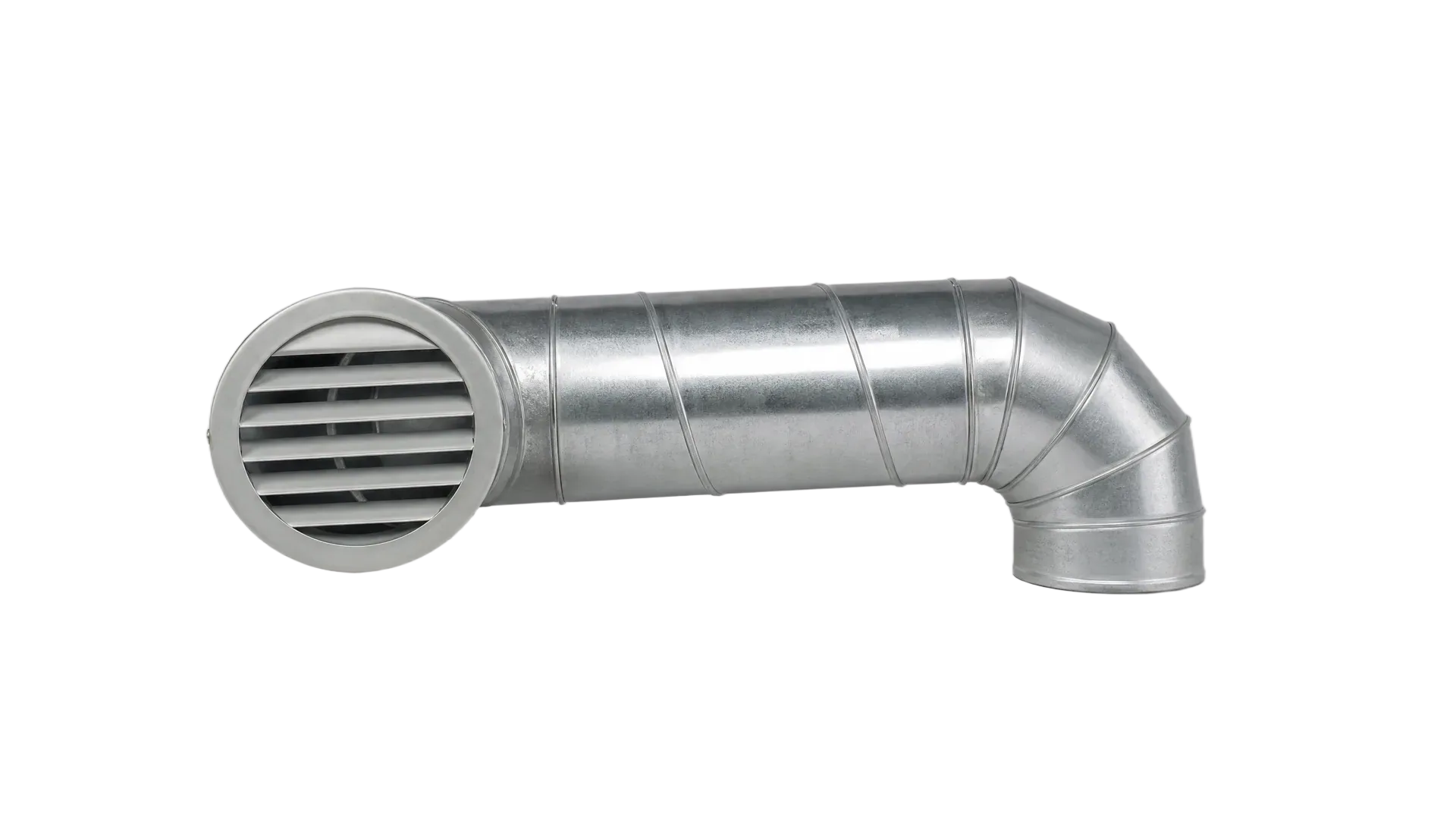


Running all day
A dusty system left alone keeps recirculating what's built up on the duct walls, and your electric heat or AC runs longer to push air through it.
You dust the shelves, and a few days later there's a film on them again. It's not just you being extra tidy. If your ducts tie into a forced-air system, the same air keeps moving through the house, and whatever is riding in it keeps getting redistributed instead of going away.
Forced-air systems pull house air in, push it past a filter, and send it back out through the vents, over and over, all day. A filter that's clogged or too thin for the job lets fine dust pass right through, and the ductwork itself can build up a layer that gets kicked loose every time the blower runs. In Tennessee, that blower runs a lot. Summers here are muggy enough that air conditioning stays on for months, and most homes heat with electricity through the winter, so the system barely gets a break. More runtime means more cycles pushing air past whatever is loose in the ducts. If the ducts haven't been cleaned since the house was built or since you moved in, that buildup is likely a big part of what you're seeing settle on your furniture.
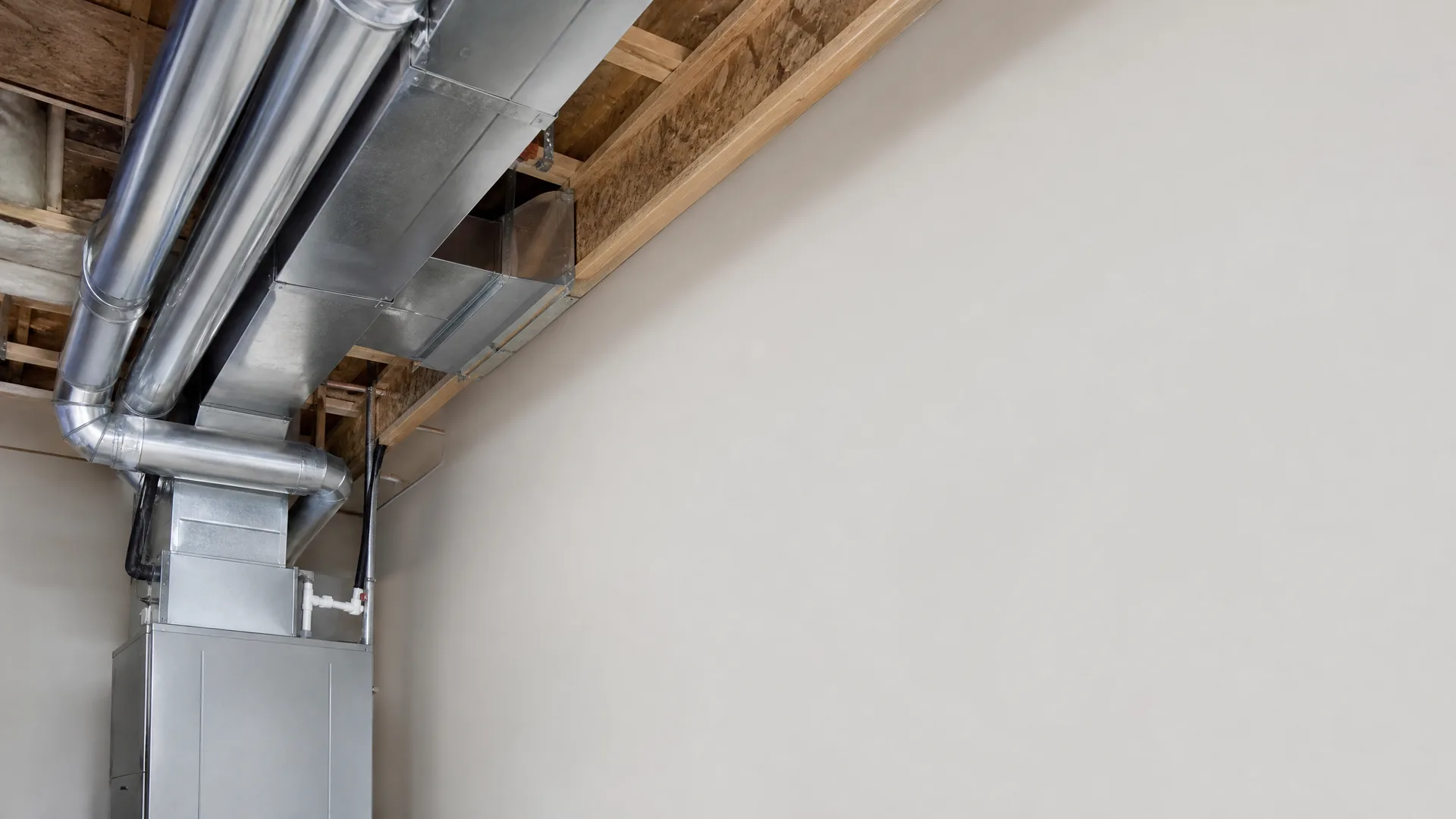
Sticky air outside means your system runs longer to keep up, and every hour it runs, it pulls more air through the same ducts. Dust that settles between cycles gets stirred up again before it ever has a chance to stay put. If the ductwork has gaps or loose joints, it can also draw in air from the attic or crawl space, carrying in more dust than what's already circulating inside the house.
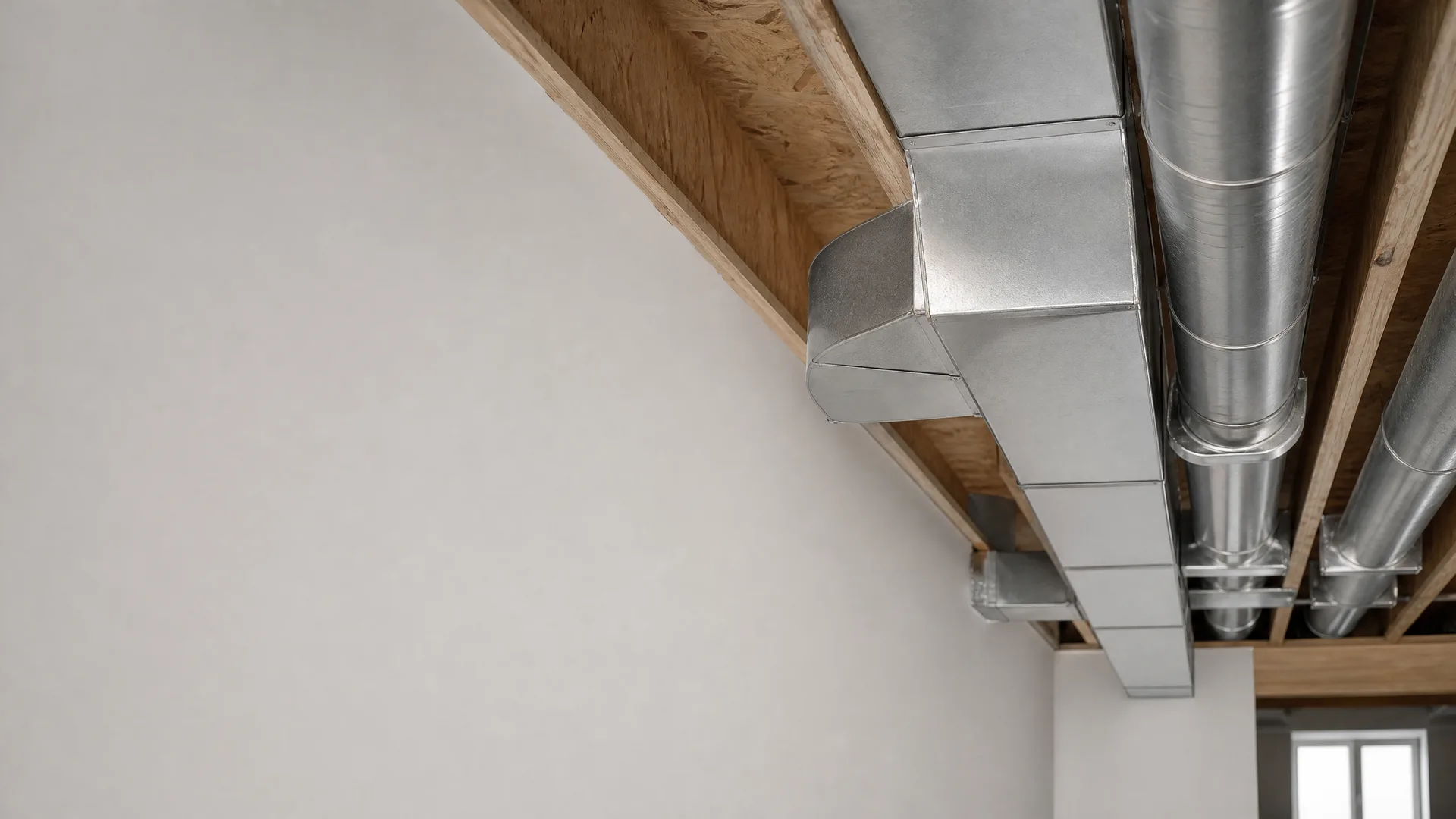
Most houses in Tennessee heat with electric systems, and those still rely on a blower pushing air through the same ducts all winter. The blower doesn't care whether it's heating or cooling. It just moves air, and whatever is sitting in the ductwork rides along with it. With power priced low here, a lot of homeowners run the system more than they'd think twice about, which means more cycles and more dust moving room to room.
Dust and skin cells settle inside the duct walls over time.
Air moving through the ducts stirs loose debris back into the airflow.
Vents carry that debris into every room the system feeds.
It settles on furniture again within days of a cleaning.
Check the room with the vent that's farthest from the unit, or the one you use the least. If dust piles up faster there, or you notice a musty smell when the system kicks on, that's air pulling through ducts that haven't been cleaned in a while. Some households notice it most on dark furniture or on a laptop screen left closed overnight. If anyone in the house has allergies or asthma, this is usually where it shows up first, more sneezing, more stuffiness, especially right after the system has been running a stretch. Left alone, it doesn't get better on its own. The ducts don't clean themselves between service calls.




One request and the duct cleaning stops waiting on you.
You're not committing to anything by asking.
Air moves through your ducts thousands of times a month, and every pass carries dust with it. Most of that dust is too fine to see, so it doesn't fall the way visible debris would. It rides the airflow until it finds a surface to cling to, and the inside of a duct, especially where the metal seams or the flex duct ridges break up a smooth path, gives it plenty to catch on. The return side usually builds up fastest, since that's the duct pulling air out of your rooms and back toward the system, carrying whatever's loose on your floors and furniture with it.
How much runs through depends on how long your blower runs. On a sticky Tennessee afternoon, an electric furnace or heat pump system runs longer to keep the house comfortable, and every extra minute of runtime is more air passing over the dust that's already settled. A clean filter catches a good share of what comes through, but once it's loaded up, fine dust slips past it and reaches the duct walls directly instead of getting trapped.
None of this is about your equipment being old or new, or gas versus electric. A furnace running on electricity moves the same volume of air as a gas one, so the ducts fill up at the same pace either way. What matters is what's built up inside them by now.


A dusty system left alone keeps recirculating what's built up on the duct walls, and your electric heat or AC runs longer to push air through it.
Send the form and a contractor who handles duct cleaning in Tennessee reaches out to you. You stop hunting for who to call.
Since most Tennessee homes heat with electricity, every extra hour your system runs to push air through dusty ducts shows up on that bill. At 13.22 cents a kilowatt-hour, a system working harder than it should adds up fast, even with power this cheap.
EIA-861 2025 statewide residential average
The dust keeps coming back because the ducts keep moving the same air past the same buildup, cycle after cycle. That doesn't change with a new furniture polish or a better vacuum. It changes when what's built up inside the ducts actually comes out. A cleaning pulls that layer off the duct walls instead of letting your system stir it loose a little at a time. You already keep this house up, and this is the part of it you can't see to check yourself, the ducts behind the vents, doing their work every time the system kicks on through a Tennessee summer or a winter running on electric heat. Once that buildup is gone, the air moving through your home isn't carrying it into every room anymore. You still dust. It just stops coming back in days. Finding a contractor who handles this isn't something you have to chase down on your own.


Get your ductwork to the right pro
After you send the request, you're done searching.
