
Birds nesting in a dryer vent in Nashville, TN

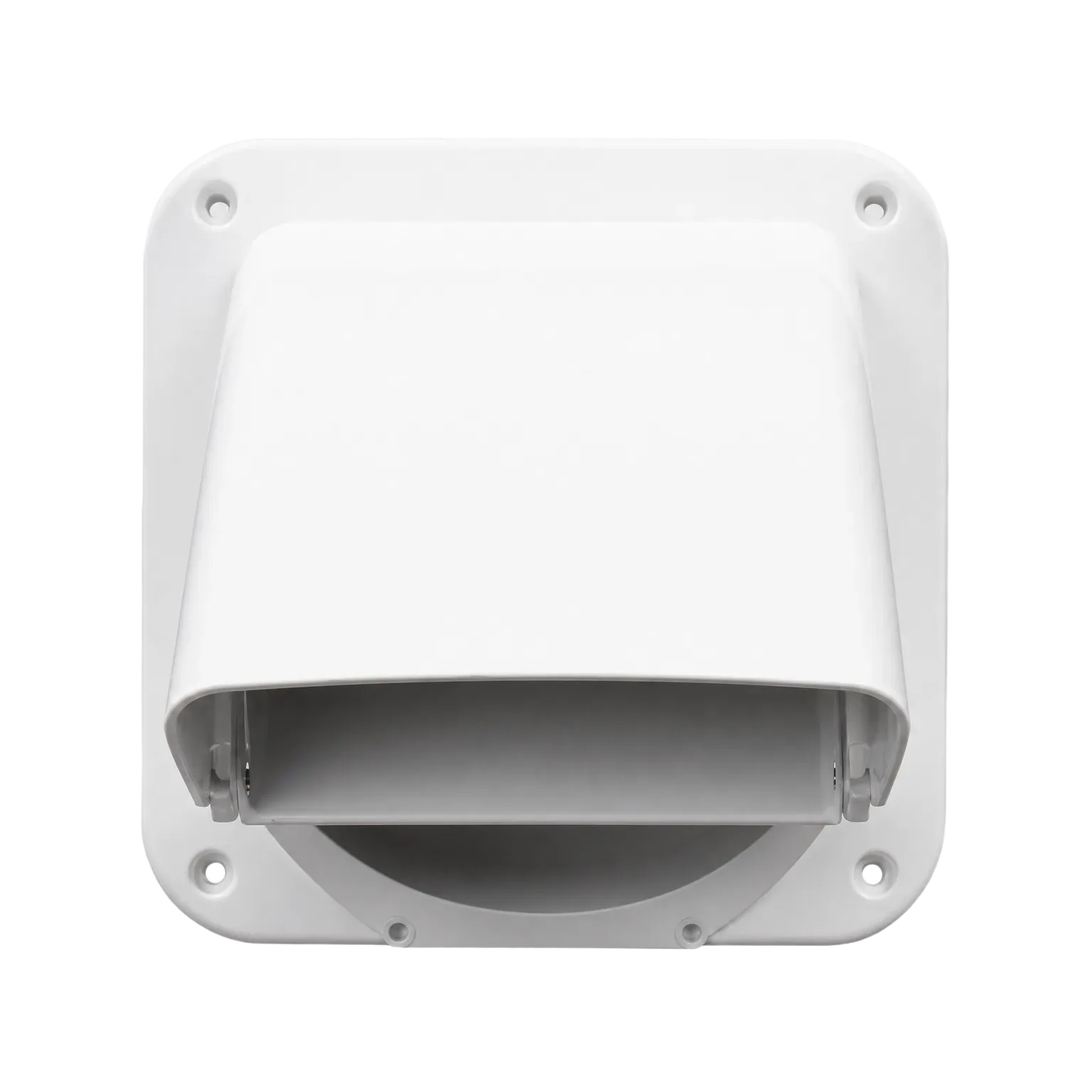
A white plastic wall vent with a square mounting flange, hooded cover, and round duct collar visible beneath, shown against a plain light gray background.
Get my match

Why are birds nesting in my dryer vent?

You went outside to check on something and heard chirping, or scratching, coming from the dryer vent hood on your wall. Maybe lint has stopped flowing out like it used to, or the flap won't sit flush anymore. It's a strange thing to find, but it happens often enough in Nashville, especially in spring when birds are hunting for a safe, enclosed spot to raise a brood.

Birds see your dryer vent as a ready-made nesting box

A dryer vent hood looks a lot like a birdhouse from the outside. It's a dark, enclosed tube, raised off the ground, sheltered from rain and wind, and warm from the heat your dryer pushes through it. If the flap is weak, bent, or doesn't close all the way, a bird can push it open and get inside. Once they build a nest, the vent hood flap can get wedged open or blocked entirely, and the lint and twigs they bring in make the whole vent a fire risk. It also means your dryer has nowhere for its hot, damp air to go, so clothes take longer to dry and the machine works harder than it should.

A white hooded dryer vent cover screwed into beige lap siding above a concrete foundation wall, with a bed of rounded gravel at the base.

Vent flap sitting flush

The hood sits flat against the siding and the flap hangs loose, ready to swing open when the dryer runs. Air and lint push straight out with nothing in the way. No sticks, no feathers, no sound from inside when the house is quiet.


A metal dryer vent hood mounted on light gray horizontal lap siding, with its opening clogged by gray lint, above a concrete foundation wall.

Vent packed with lint

The flap sits open and won't close because the lint built up behind it has nowhere else to go. Over time that lint catches more lint, and a sheltered opening like this is exactly what a bird looks for come spring. Once that happens, airflow out of the vent slows or stops.

What does a house like yours mean for that vent?

  • 2.14 people per household on average

    With 2.14 people in the average Davidson County household, the dryer runs most days. A vent birds have claimed blocks that load right when you need it to dry.

  • Half the homes here were built by 1986

    Half the homes in Davidson County went up in 1986 or earlier. If yours is one of them, check whether the vent hood and ductwork are original to the house.

  • Power here costs 13.86 cents per kilowatt-hour

    Power here runs 13.86 cents per kilowatt-hour. A blocked vent makes an electric dryer run longer to finish each load, and that cost shows up on the bill.

ACS 2020-2024 · EIA-861 2025

Why spring is when this happens

Birds look for a tight, sheltered spot to build a nest from late March through May, and a dryer vent hood gives them exactly that. The flap keeps rain out, the duct behind it blocks wind, and if the dryer sits idle for a day or two there's no heat or noise to drive them off. Once a nest is built, it doesn't come out on its own. Lint keeps collecting behind it with nowhere to go, and the blockage gets worse every time the dryer runs. A vent that was clear in March can be packed solid by the time summer heat and humidity settle in over Nashville.

What a blocked vent does to the dryer

A dryer pushes hot, damp air out through that duct with every load. When a nest blocks the path, the moisture has to go somewhere, so it backs up into the duct and the drum. Clothes come out damp after a full cycle, and the dryer runs longer to get them dry. The motor and heating element work harder against that resistance, and lint that can't escape sits packed against sticks and feathers, which is the kind of blockage that heats up. None of that gets better until the nest and the lint behind it are physically removed from the duct.

A smiling man with dark curly hair in a dark green henley shirt sits on a light sofa in a living room with large windows, a lamp, shelving, a stone fireplace, and a bowl of popcorn in the foreground.
A smiling man in a dark long-sleeved henley shirt sits on a beige sofa in a living room, with a bowl of popcorn and a remote on the table in the foreground and shelves, a lamp, and a doorway behind him.
A smiling man with graying hair and stubble in a blue henley shirt sits on a gray sofa with cushions in a living room, with a bowl of popcorn on a wooden table in the foreground.
A smiling man in a dark green long-sleeve shirt reclines on a sofa in a dimly lit living room, with a bowl of popcorn on a side table in the foreground and a bookshelf, lamp, and houseplant behind him.

Get matched with a dryer vent pro in Davidson County

A nest in the vent does not just slow the dryer down. It blocks the path lint needs to travel outside, and lint that has nowhere to go sits in the duct, closer to the heat with every load you run. In a county where cold winters push the dryer into near daily use from October through about March, that is a lot of loads pressing against a blockage that will not clear on its own. Pulling the nest out means reaching into the duct, sometimes from the roof or behind siding, and knowing where a vent run typically bends or narrows on a house like yours. That is not a job to find time for between loads of laundry. Getting it looked at now, before the clothes pile up and before a warm, dry duct becomes the thing a bird builds in again next spring, is worth more than waiting to see if the chirping stops on its own.

What you'd probably notice first

The dryer takes longer to finish a load than it used to, and towels come out warm but not quite dry. You might catch a chirping sound from the wall when the house is quiet, or see the vent flap hanging open instead of snapping shut after a cycle ends. Lint that should be blowing outside starts showing up around the hood instead, caught in the feathers and twigs packed behind it. None of this looks like a dryer problem at first. It looks like a bird problem that happens to be sitting right on top of your dryer's exhaust.

What it costs you to wait

Every load you run pushes hot, damp air into a duct that has nowhere to send it. The dryer works harder and takes longer, so your power bill creeps up on laundry that used to be routine. Lint keeps piling up behind the blockage instead of leaving the house, and it sits closer to the heating element with each cycle. A vent that's been nesting material for weeks doesn't clear itself once the birds move on. The nest stays put until someone opens the duct and pulls it out.

A woman with dark hair in a bun sits on a beige sofa under a knit blanket with her eyes closed and an open book in front of her, with a lit lamp and houseplant in the background.
A smiling bearded man in a dark sweater sits at a dinner table with lit candles, a glass of red wine, and bowls of food, in a dimly lit room with a lamp and houseplant behind him.

The duct behind your dryer runs through the wall to a hood outside, most often four inches across, with a flap that stays shut on nothing more than its own weight or a light spring. That is not much to keep a bird out. Once a nest takes hold past the flap, the opening narrows and your dryer is pushing hot air and lint against it every time you run a load. Lint catches fire easily, and a duct that cannot vent properly holds more heat than it was built to hold. Some hoods run straight out to the wall. Others bend partway through, and a nest tends to settle right at that first turn, not out at the opening where you can see it. That is part of why the flap can look fine from outside while the real blockage sits further back. Clearing it means working from both ends of the duct, not just the hood, and checking that the flap still swings freely and air is actually moving once the dryer is running again.

How the duct actually gets blocked

  • A dryer vent duct runs from the back of the dryer through the wall to a hood outside, usually four inches wide.
  • The flap on the hood is only held shut by gravity or a light spring, so a bird can push it open from outside.
  • Once a nest is built past the flap, the duct narrows and the dryer has to push air and lint against that blockage every load.
  • Lint is flammable, and a dryer that can't vent properly runs hotter inside the duct than it's built to.
  • Some hoods have a short straight run to the outside wall while others bend through a longer path, and nests tend to lodge right at that first bend.
  • A contractor doing this work clears the duct from both ends, checks the flap still moves freely, and confirms air is actually exiting the hood once the dryer runs.
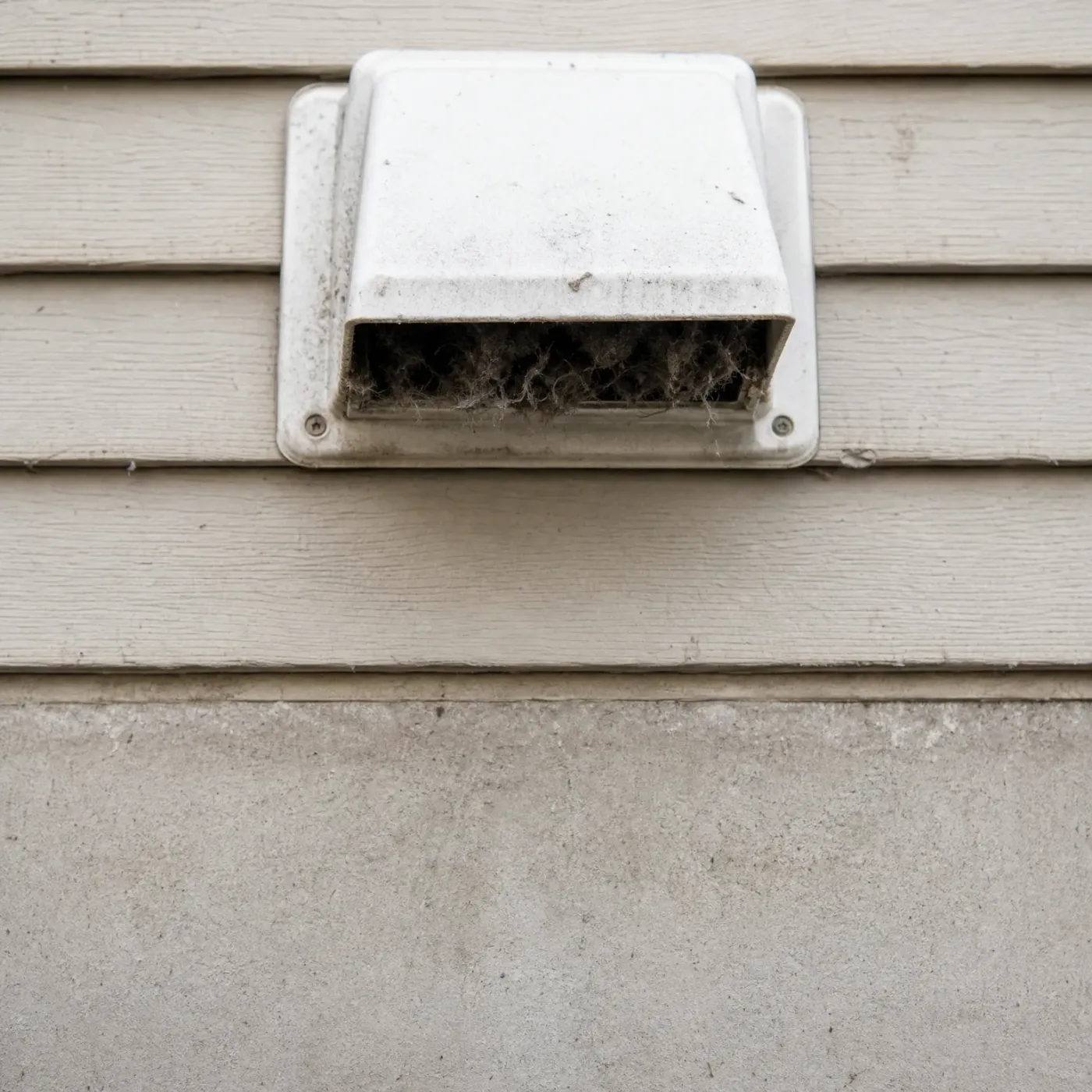
A white plastic dryer vent hood clogged with grey lint, mounted on beige horizontal lap siding above a concrete foundation wall.
Before you get your dryer vent cleaning
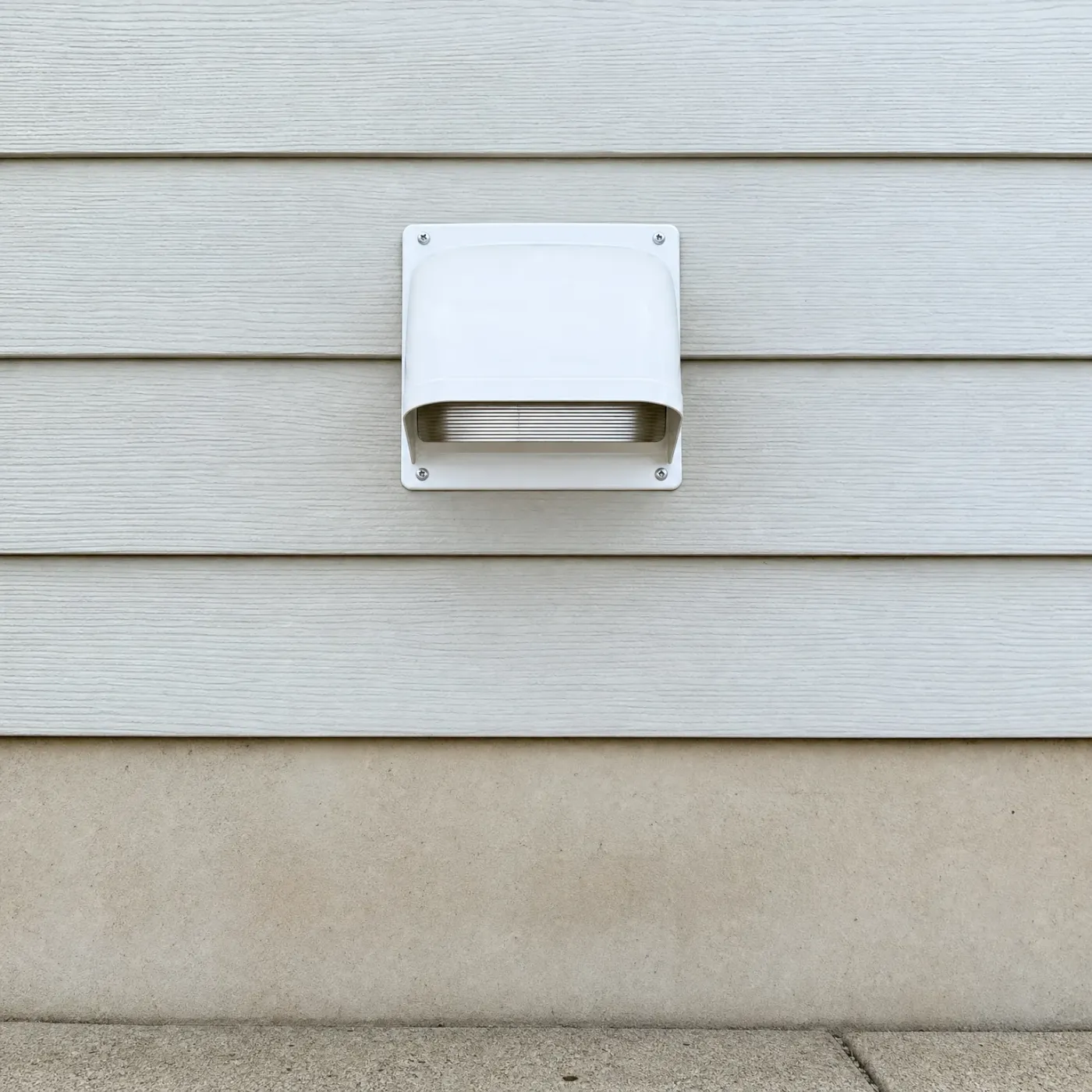
A white hooded dryer vent with a louvered opening mounted on light beige horizontal lap siding above a concrete foundation and sidewalk.
After you get your dryer vent cleaning
  1. A bird pushes the hood flap open from outside.

  2. Nesting material gets packed into the first foot of duct.

  3. Lint drifting down the duct catches on the sticks and feathers.

  4. The airflow narrows, so the dryer vents more slowly.

2.14 people per household on average

At 2.14 people, most Davidson County households are running a load every day or two. That's a lot of hot, damp air looking for a way out through a vent a bird has already packed with sticks. The dryer still runs. It just has nowhere to send what it's pushing.

ACS 2020-2024

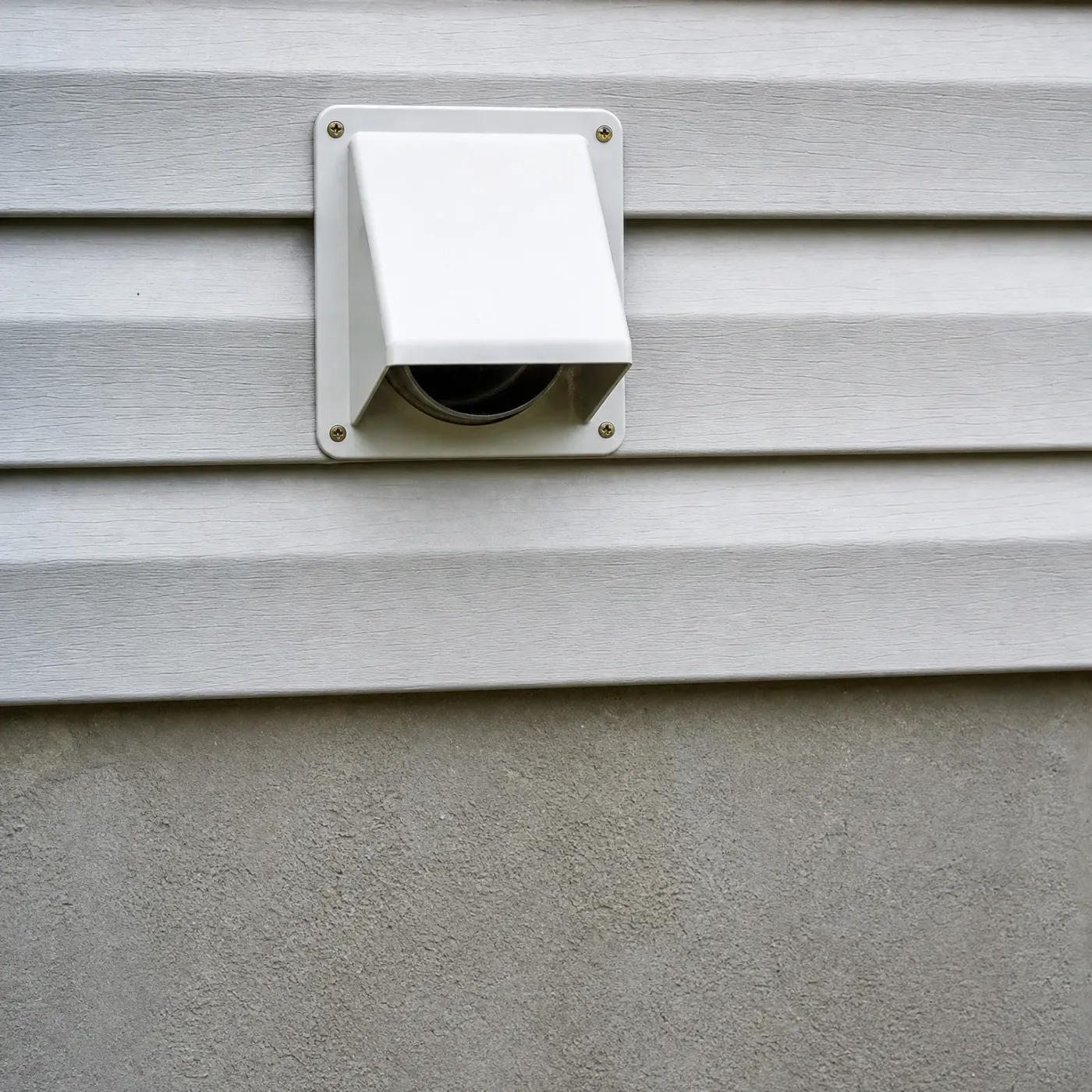
A white hooded dryer vent with a square mounting plate screwed onto light gray horizontal vinyl siding, above a gray stucco-textured lower wall.

What a clear vent looks like

The hood sits tight against the siding, and the flap hangs with room to swing. Air pushes it open the moment the dryer kicks on, then it falls shut again. Nothing is wedged in the opening, and nothing rattles when the wind picks up.

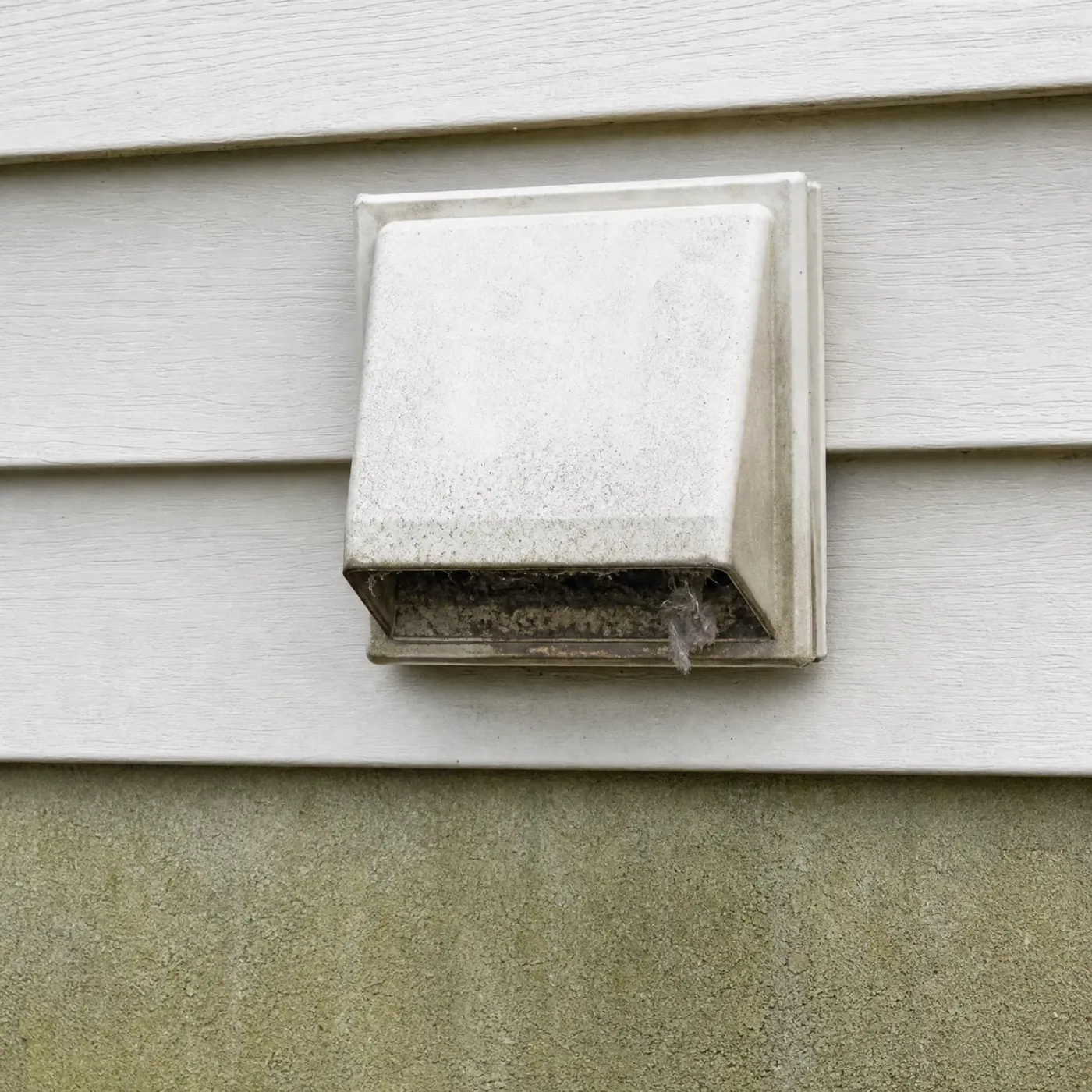
A white plastic dryer vent hood mounted on light-colored horizontal lap siding, with lint caught in its lower opening and a green-stained foundation wall below.

What a blocked vent looks like

Lint pokes out from under the flap, and the opening behind it is packed instead of clear. The flap can't sit flush anymore because something is holding it open a crack. Air that should be pushing straight out is working around a nest instead.

A nest in the vent is a mechanical problem with a clear fix. The duct gets cleared, the flap swings free again, and the dryer sends heat and lint straight outside the way it was built to. You don't have to be the one who pulls the nest out or checks how far back it's packed. Once you send the form, the job of finding someone who does this for a living in Davidson County is off your plate. You can stop listening for chirping in the wall and stop timing how long a load takes. Winters here push the dryer hard, and a vent that's clear matters more here than in places where it sits idle half the year. That's the whole answer: birds found a sheltered spot behind your flap, built in it, and now the vent needs to be cleared before it causes anything worse than a longer drying time.

A galvanized metal hooded dryer vent screwed to gray lap siding on an exterior wall.

Find a dryer vent cleaning pro in Davidson County

Duct and vent cleaningDavidson County, TN
Step 1 of 3

What kind of equipment?