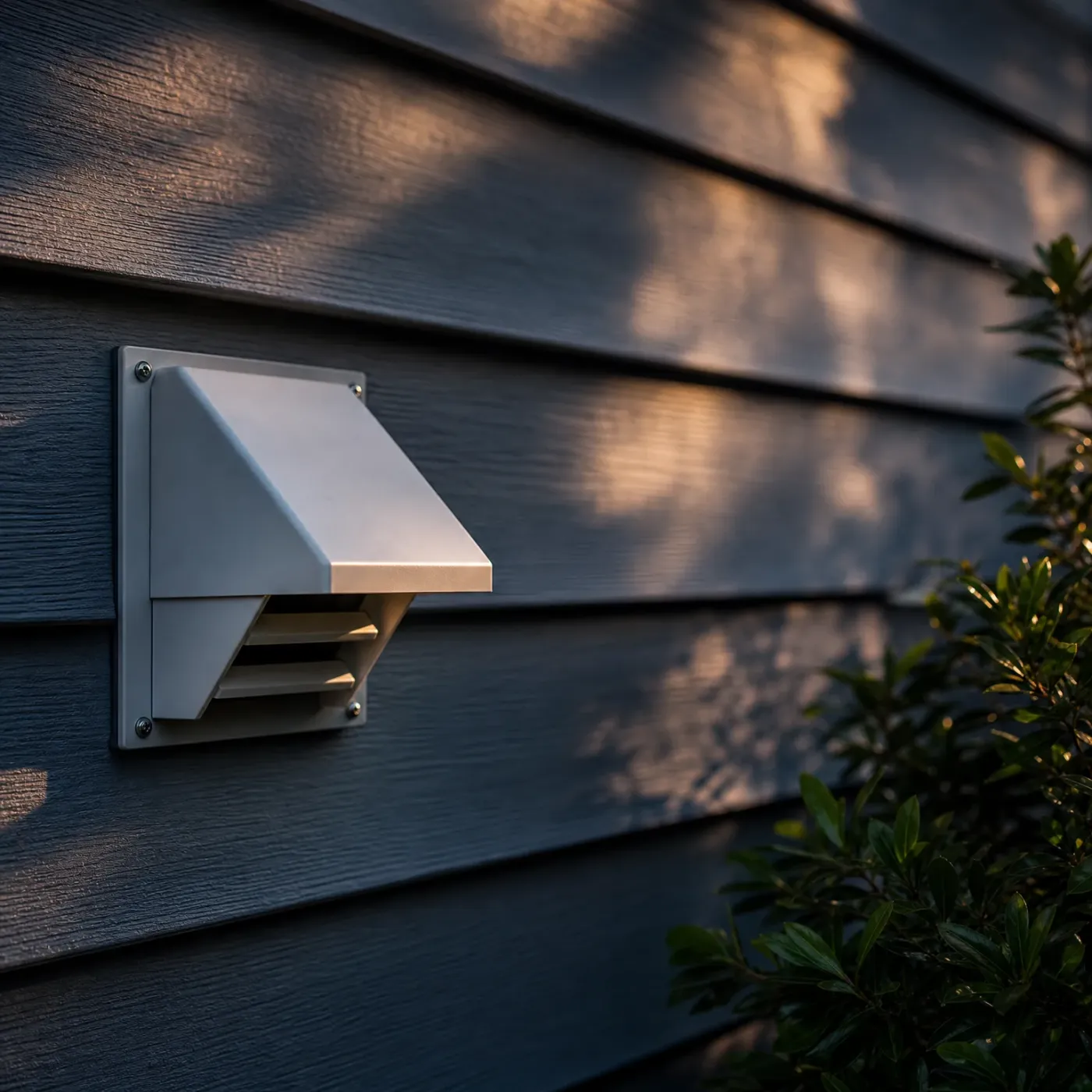



A white hooded louvered vent cover mounted on dark gray horizontal lap siding, with dappled late-day light and shadows across the wall and a leafy shrub at the right edge.

Get the right pro for your dryer vent

Birds nesting in a dryer vent in Tennessee

Spring in Tennessee is nesting season, and a dryer vent hood is a warm, sheltered spot a bird will claim fast. Once that happens, air can't get out the way it should, and the dryer has to work harder to push it through. This page walks through how to tell birds have moved in and what clearing them out involves, then matches you with a contractor who handles vent cleaning, so you skip the calling around and repeating the same story to find one.

Get a dryer vent pro

A bird in your dryer vent is usually a wren or a sparrow looking for a safe, warm place to build a nest, and the flap at the end of your vent hood gives them exactly that if it doesn't seal tight or sits propped open. Once nesting material packs into the duct, the air your dryer pushes out has nowhere to go. You'll notice the dryer running longer than it used to, clothes coming out still damp, or a burnt smell as heat builds up with nowhere to escape. Spring is when this shows up most, since that's when birds in Tennessee are hunting for nest sites, but the blockage stays put long after nesting season ends. Left alone, it's not just a slow dryer. A vent that can't exhaust properly is a fire risk, and a nest packed with dry material sitting next to hot exhaust air makes that worse.

A metal hooded dryer vent with a louvered opening mounted on gray horizontal lap siding, next to a plain off-white wall.

Why the vent hood invites a nest

A dryer vent hood has a damper flap that's supposed to stay closed except when the dryer's running. If that flap sticks, or a bird bends it open from outside, the hood turns into a dry, sheltered box that stays warmer than the air around it. A wren or sparrow checking out your siding in March doesn't pass that up. Once a few twigs are wedged past the flap, more material builds on top fast.

A stainless steel hooded dryer vent screwed to light gray horizontal lap siding, with a blank white wall occupying the left side of the frame.

What a blocked vent does to the dryer

Your dryer is built to push hot, damp air straight out through that duct in a few minutes. Twigs and nesting material narrow the path, so the same load of laundry takes longer to dry and the dryer runs hotter doing it. With summers here already sticky, that extra moisture has nowhere good to go, and it can back up into the duct itself instead of venting outside.

Is that why your dryer's taking forever to dry a load?

You load the dryer, run it once, and the clothes come out still damp, so you run it again. You notice the top of the dryer getting hot, or the laundry room holding onto heat after the cycle ends. Outside, you might hear chirping near the vent hood, or see grass and twigs poking out from under the flap. Lint smell hangs in the room instead of venting out. None of that is the dryer wearing out. It's air with nowhere to go. Run it long enough with a blocked vent and you're looking at a dryer that runs hotter than it should, every load, with lint building up behind the blockage.

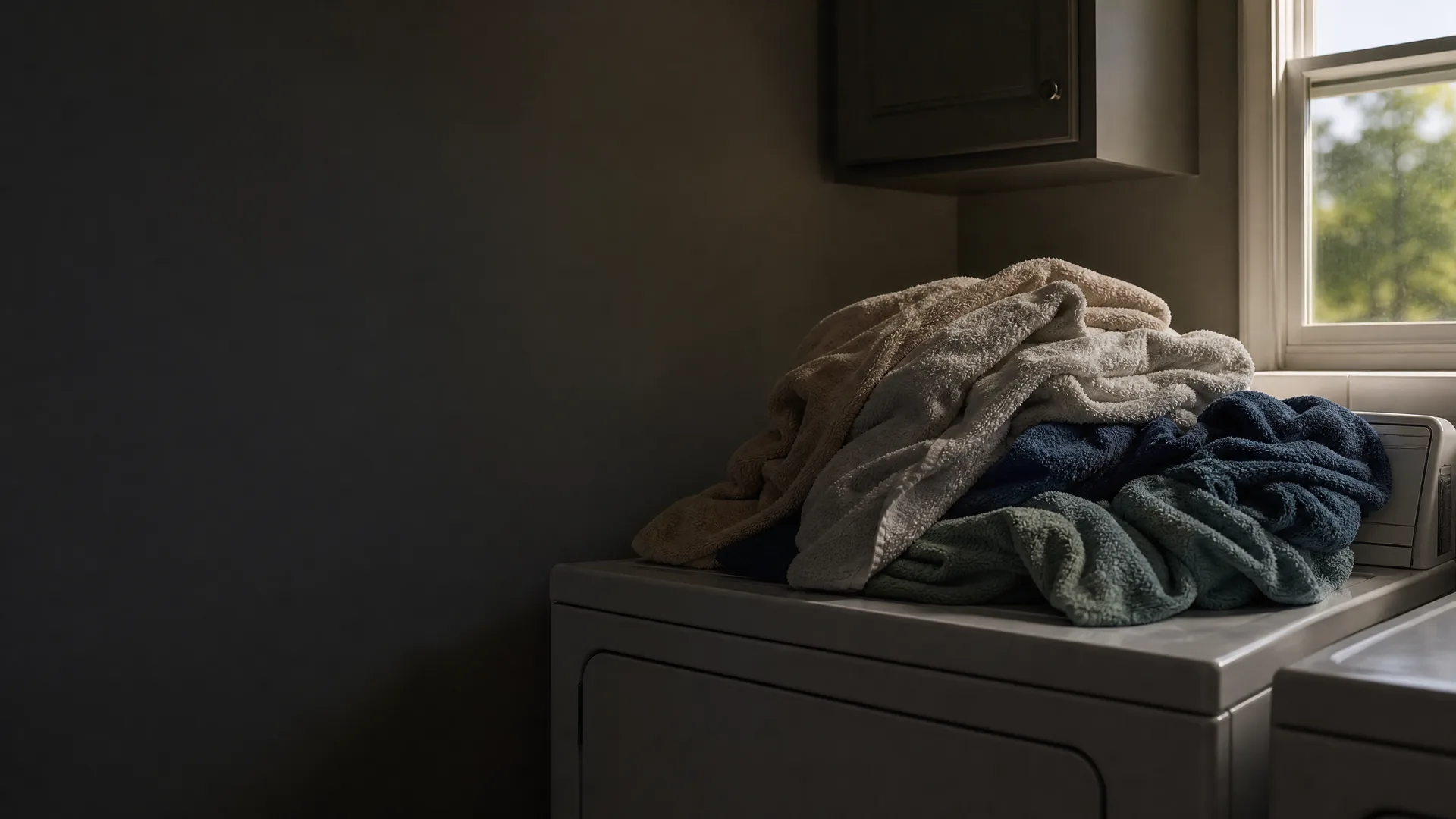
A pile of beige, navy, and teal towels sits on top of a washer or dryer in a dim laundry room with a window and an upper cabinet.

You come down to the laundry room after work and the towels you ran before dinner are still sitting in a heap on top of the dryer, damp through. It's a weekday evening, the kind where you just want the load done so you can fold it and go to bed. You press start again. A few minutes in you notice the top of the dryer is warm to the touch, warmer than it should be, and the room itself has that sticky, humid feel Tennessee evenings already bring in from outside. You crack the laundry room door for air. The towels sit there, heavy and wet, waiting for a third try.

A pro who works on dryer vents

Fill out one short form instead of calling around.

You only hire the pro if you want to.

You hear the bird first

A scratching sound in the wall or a chirp near the laundry room gives it away before you ever check the vent hood outside. You go look and the flap is pushed open, maybe a twig or two caught in the edge. That's the easy version. You know what's going on, and you know it needs clearing out before the nest packs in tighter and the dryer starts struggling to push air through a duct that's half blocked already.
You just notice the drying's off

No sound, no sign outside, just towels that used to take one cycle now taking two. You check the lint trap, it's clean. You check the outside hood, flap looks fine from where you're standing. What you don't see is the nest sitting a foot or two back in the duct, out of sight, already catching lint and slowing the airflow. This is the harder case, because nothing points straight at a bird until someone opens the line up.

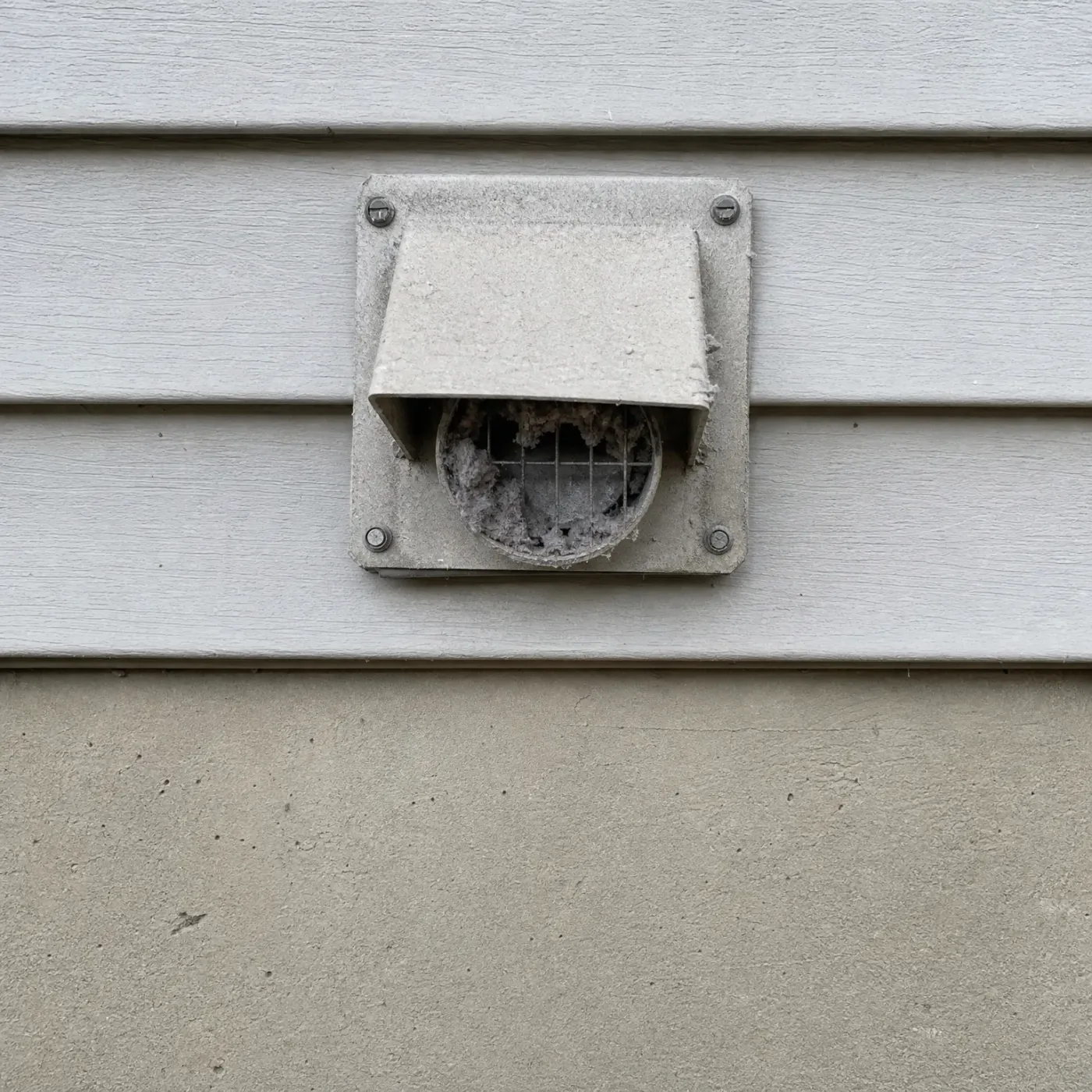
A metal dryer vent hood screwed to light gray lap siding, with lint clogging the round opening and a lower concrete wall below.
Before you get your dryer vent cleaning
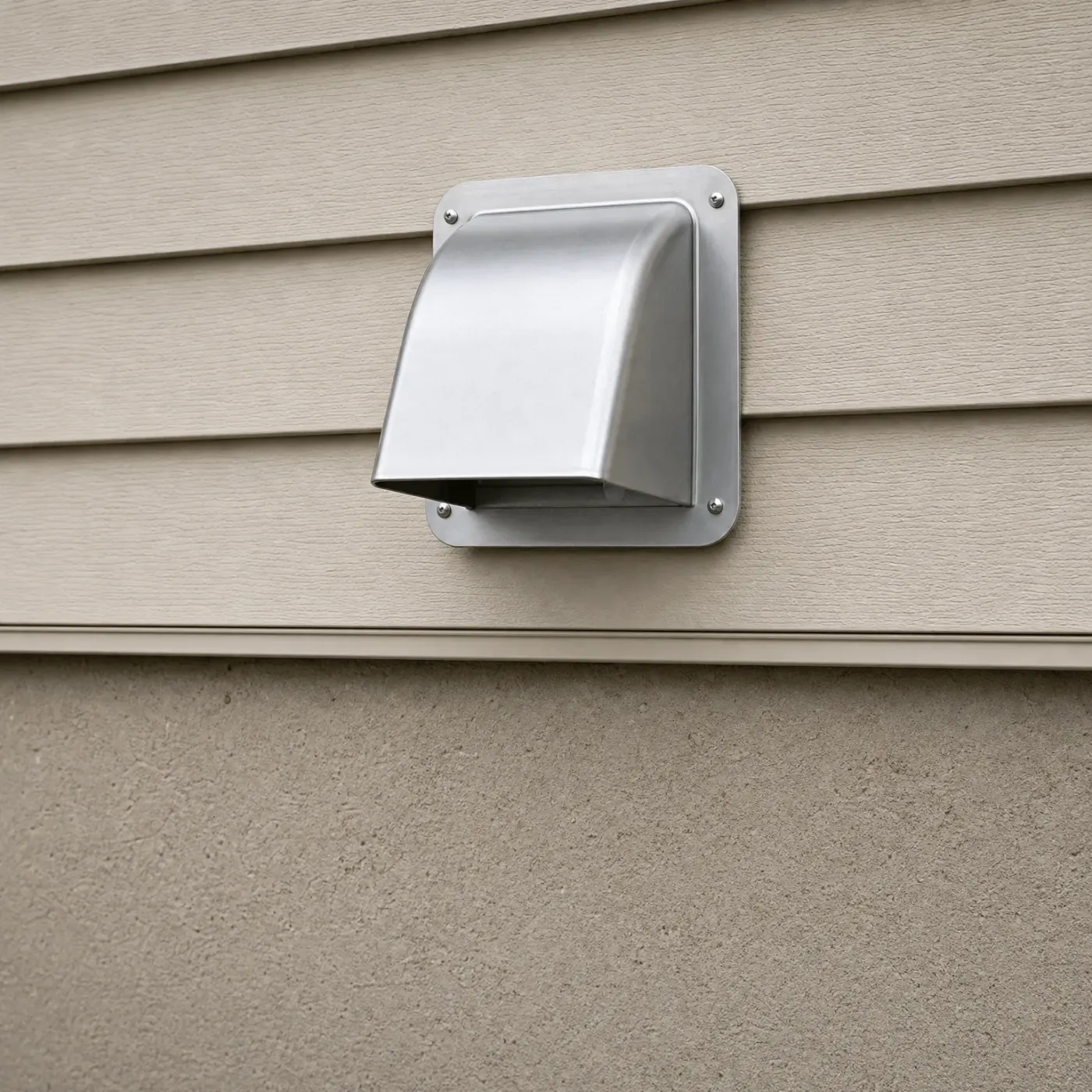
A metal hooded dryer vent cover mounted on beige horizontal lap siding above a textured concrete foundation wall.
After you get your dryer vent cleaning

You find it early. A twig caught in the flap, a chirp outside the vent hood, and you call before the dryer starts taking three cycles to dry one load.

You find it late. The nest packs the duct solid, lint backs up behind it, and the dryer runs hot with nowhere for that heat and moisture to go.

A woman in a cream cowl-neck sweater stands in a lamp-lit room looking out a window at a snow-covered yard with shrubs and bare trees at dusk.
A woman in a gray turtleneck sweater stands near a large window in a lamp-lit living room, looking out at falling snow and snow-covered conifers.
A woman in a chunky knit sweater stands by a large window looking out at snow-covered ground, with a dimly lit living room containing a gray sofa, framed artwork, shelves and table lamps behind her.
A woman in a gray turtleneck sweater stands in a dimly lit living room with a lamp and bookshelves, looking out a multi-pane window at falling snow.

Power costs 13.22 cents per kilowatt-hour statewide

Most homes here heat with electricity, and power runs 13.22 cents per kilowatt-hour statewide. A blocked vent makes your dryer run longer to finish the same load, and every extra cycle is pulling power at that rate.

EIA-861 2025 statewide residential average

A bearded man in a plaid flannel shirt looks out a window at snow-covered conifer trees, with a steaming ceramic mug on the sill and wooden shelves holding dishes and a plant behind him.
A bearded man in a dark t-shirt sits on a light sofa, smiling and looking down toward a laptop screen visible at the bottom edge of the frame, with a blurred living space behind him.

A Bird in the Vent, Settled

  • A bird in the vent hood means restricted airflow, longer dry times, and a dryer running hotter than it should.
  • The nest doesn't clear itself out once the flap is pushed open or stuck, so the blockage stays until someone removes it.
  • A vent cleaning clears the duct of nesting material and lint so the dryer can push air out the way it was built to.
  • Instead of searching around and calling several contractors to find someone who handles vent cleaning, you get matched with one who takes it from here.
  • You explain the problem once, not again to every number you call, and that contractor reaches out to you directly.
  • Catching it now means one visit instead of sorting through what a packed duct and a strained dryer cost you down the line.

A bird picked your vent hood because it was warm and sheltered, and nothing about that changes on its own. The flap stays stuck, the nest stays packed in the duct, and the dryer keeps pushing hot air against a wall of lint and twigs until someone clears it out. That's the whole problem, plain as it is: a blockage that only comes out when a person takes it out.

Clearing it is straightforward work for someone who does it, but finding that someone is where most people lose an evening. You'd normally start looking up vent cleaning companies, calling a few, explaining that there's a bird nest in the vent and asking if that's even something they handle, then doing it again with the next name on the list once the first one doesn't call back. Then you're comparing quotes that don't really match because each contractor described the job differently on the phone.

Here, you skip that. You get matched with a contractor who handles exactly this, and they're the one who calls you, not the other way around. You explain the nest once, to the person who's actually going to clear it.

The dryer itself still needs the duct cleared before it dries a load normally again. That part doesn't change. What changes is how much of your time goes into getting there.

A dark-clad house with large windows beside a gravel driveway lined with in-ground path lights, ornamental grasses and hydrangeas, with distant hills and an orange sunset sky.

Dryer Vent Cleaning

Get your dryer vent to the right pro

Duct and vent cleaningTennessee
Step 1 of 3

What kind of equipment?

  • A ceramic vase holding leafy green branches and a shallow wooden bowl sit on a wooden window ledge beside a sunlit window, with a cream upholstered chair and knit throw in the foreground.
    • A local pro who knows dryer vents gets your details and gets in touch.
    • Your dryer vent cleaning request goes to a local pro who does this work.
  • Sunlit living room corner with a beige upholstered sofa, a round wooden side table holding a ceramic vase of olive branches, linen curtains at a window, a floor vent in the baseboard, and a woven jute rug on hardwood flooring.
    • Send the form and finding a dryer vent cleaner is handled.
    • One request and the dryer vent cleaning stops waiting on you.
  • A wooden side table with a single drawer holds a shallow carved wood bowl and a white ceramic vase of green eucalyptus stems, beside a window and an upholstered chair draped with a cream knit throw.
    • Skip searching for a dryer vent pro and answer a few questions instead.
    • One form replaces the calls you'd make to find a dryer vent pro.
  • Corner of a house with horizontal siding, a white-framed window and stone veneer base, beside a covered entry with wooden steps, a potted plant, mulched beds of green shrubs and a flagstone path.
    • Your dryer vent cleaning request goes to one local pro.
    • Your request stays with one local pro.










