
Is a clogged dryer vent a fire risk in Chattanooga, TN

Send it once and finding someone is no longer on you.

I'm done searching

Yes, a clogged dryer vent is a real fire risk, and it's one of the more common home fire causes nationally. Lint is the fuel. Every load of laundry sheds it, and when the vent is blocked, that lint builds up around the heating element and inside the duct instead of blowing outside. The dryer has to work harder to push air through, so it runs hotter for longer, and hot lint sitting next to a heat source is what starts these fires. Summers in the Chattanooga area get long and sticky, which means the dryer often runs in a warm, humid attic or laundry closet where heat has less room to escape to begin with. A vent that's been clogged a while also dries clothes slower, so if you've noticed towels taking two cycles lately, that's often the first sign something is blocking the line, well before it becomes a fire risk you can't ignore.

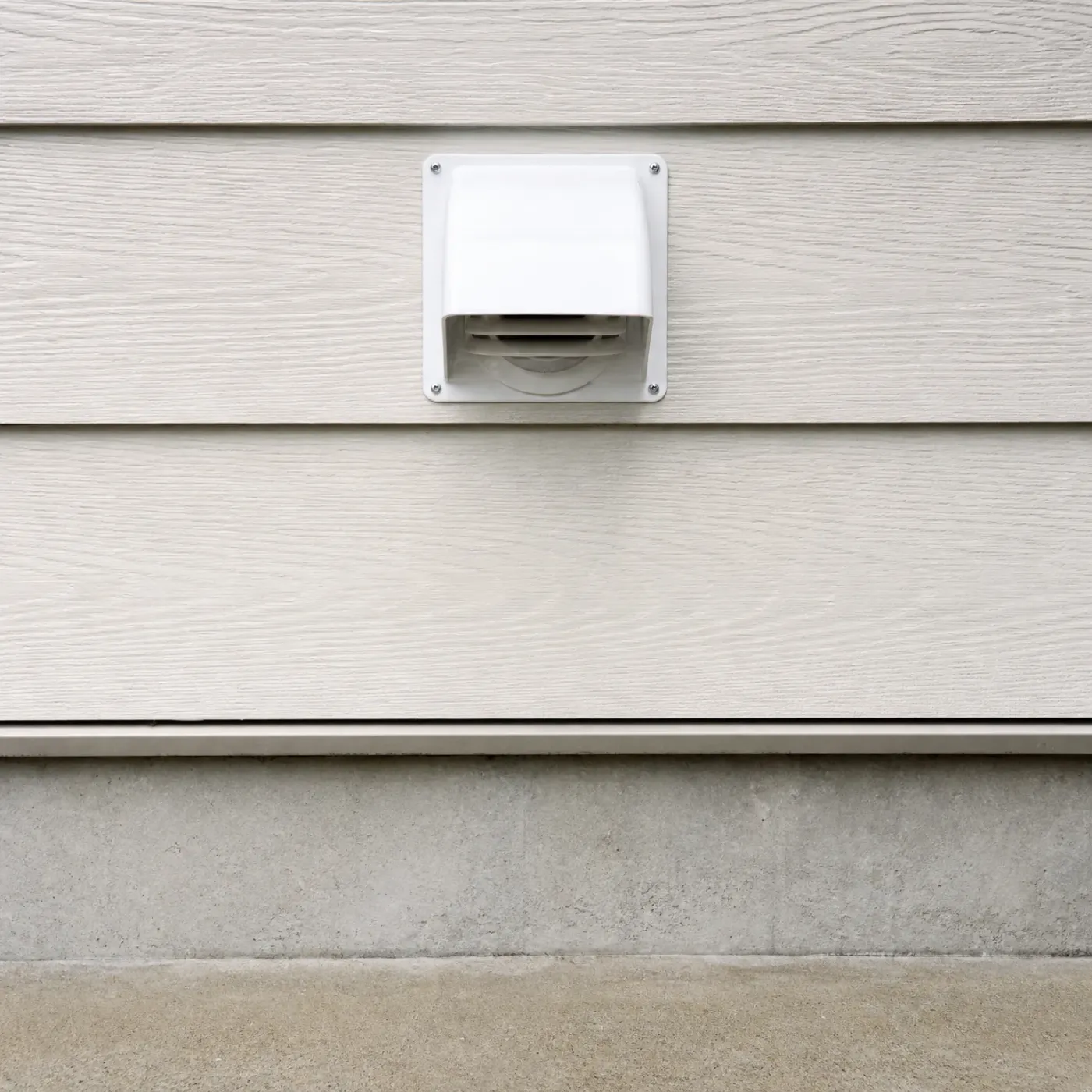
A white hooded dryer vent with a grille mounted on tan horizontal lap siding above a concrete slab.

Vent running clear

Air moves straight out through the hood, and the flap swings open when the dryer runs and shuts again when it stops. Lint rides the airflow outside instead of settling in the duct. A dryer venting like this dries a load in one cycle and doesn't run hotter than it should.

A white plastic dryer vent hood with a hinged flap mounted on light grey horizontal lap siding, with lint clogging the opening beneath the flap and a concrete foundation wall below.

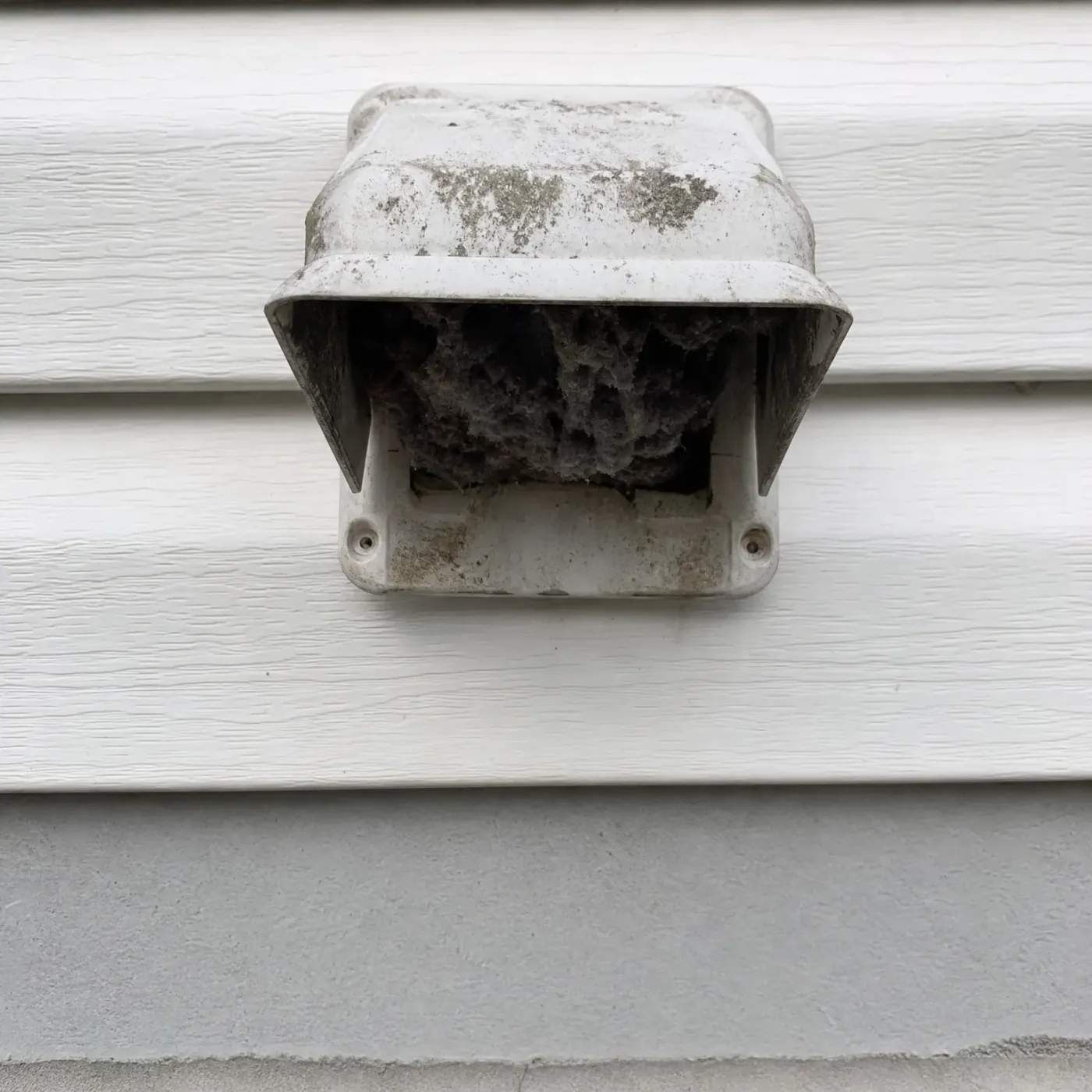
Vent packed with lint

The flap stays propped open because lint has built up behind it, which means it can't seal against wind or pests either. Inside the duct, that same lint is piling up around hot surfaces. Clothes come out warm instead of dry, and the dryer works harder each load to push air through.

Clogged Vent vs. Clear Vent

Vent is clogged

  • Airflow backs up inside the duct, and heat that should leave the house stays trapped around the drum and the heating element.
  • A load that used to take forty minutes now runs through two cycles, because the hot, damp air has nowhere to go.
  • Lint sitting against a heating element that's running hot is what actually catches fire, not the lint on its own.
  • The outside hood flap barely lifts when the dryer runs, a sign air is pushing against a blockage instead of moving through it.
  • Gas dryers add a second problem: with the vent blocked, combustion exhaust can back up into the house instead of venting outside.
  • The dryer itself runs hotter and longer than it was built to, which wears the thermal fuse and heating element faster.

Vent runs clear

  • Hot air and lint move straight through the duct and out the hood in one pass, with nothing settling along the way.
  • A load dries in a single cycle, since the heat generated is actually leaving the house instead of recirculating.
  • The heating element cycles on and off at a normal rate, because it isn't working against trapped heat.
  • Gas dryers vent their exhaust cleanly outside, keeping combustion byproducts out of the laundry room.
  • The outside hood flap opens fully while the dryer runs and closes again once it stops, which is what it's built to do.
  • Parts like the thermal fuse and heating element last out their normal lifespan instead of failing early from overheating.
A white plastic hooded dryer vent with a louvered opening mounted on gray horizontal lap siding, beside a plain light-colored wall surface.

Where the heat builds up

The heating element inside a dryer runs hot by design. Normally the airflow pulls that heat out through the duct and the vent hood before it can gather in one place. When lint blocks that path, the heat has nowhere to go but back around the element and the drum. Lint ignites at a lower temperature than paper, and it sits right where that heat collects.

A white hooded dryer vent cover screwed to beige horizontal lap siding on an exterior house wall, with a blank wall at left.

Why the vent hood matters

The flap on the outside vent hood is supposed to swing open when the dryer runs and close when it stops, keeping pests and weather out between loads. Lint and moisture jam that flap over time, and once it won't open all the way, exhaust backs up into the duct instead of clearing the house. A hood that stays shut or half shut is a sign the duct behind it needs attention.

How much does a house like yours run through a dryer in a week?

  • 2.38 people per household on average

    2.38 people live in the average Hamilton County home, and that's laundry piling up most days of the week, not once on a Sunday.

  • Half the homes here were built by 1982

    Half the homes here were built in 1982 or earlier, so the duct run behind your dryer may be older metal, with years of lint pressed into every joint.

  • Power here costs 12.98 cents per kilowatt-hour

    Power here runs 12.98 cents a kilowatt-hour, cheap enough that a dryer running two cycles instead of one barely shows up on the bill, so nothing warns you the vent is struggling.

ACS 2020-2024 · EIA-861 2025

What you'd notice first

A dryer pulling lint from a blocked vent runs hotter than it should, and you'd likely notice the laundry room warming up or the top of the dryer feeling hot to the touch. Clothes come out damp after a full cycle, so you run it again. That second cycle costs you in electricity, since most homes in Hamilton County heat and run appliances on it, and it costs you in time standing around waiting on a load that should already be folded.

What's actually at stake

Lint is paper-thin and catches fast once it's packed in tight around a heat source with nowhere to vent. A blocked duct holds that heat close to the drum and the wiring behind it instead of letting it escape outside. Chattanooga summers already run long and muggy, and a dryer working against a clogged vent runs longer and hotter through all of them. The risk isn't the dryer breaking down. It's a fire starting somewhere you can't see, inside a duct you never check.

2.38 people per household on average

With 2.38 people in the average Hamilton County home, that dryer is running most days, not once a week. Every one of those loads sheds lint into the vent. More loads mean lint builds up faster, so the vent you haven't checked this year has had more chances to clog.

ACS 2020-2024

You keep up with it. Every load goes through a clear vent, the dryer runs one cycle and shuts off, and lint has nowhere to collect because it never gets the chance.

You let it go a year or two. The duct fills with lint one load at a time until the heat has nowhere to vent, and the same machine that dried a load in forty minutes becomes the reason the fire department gets called.

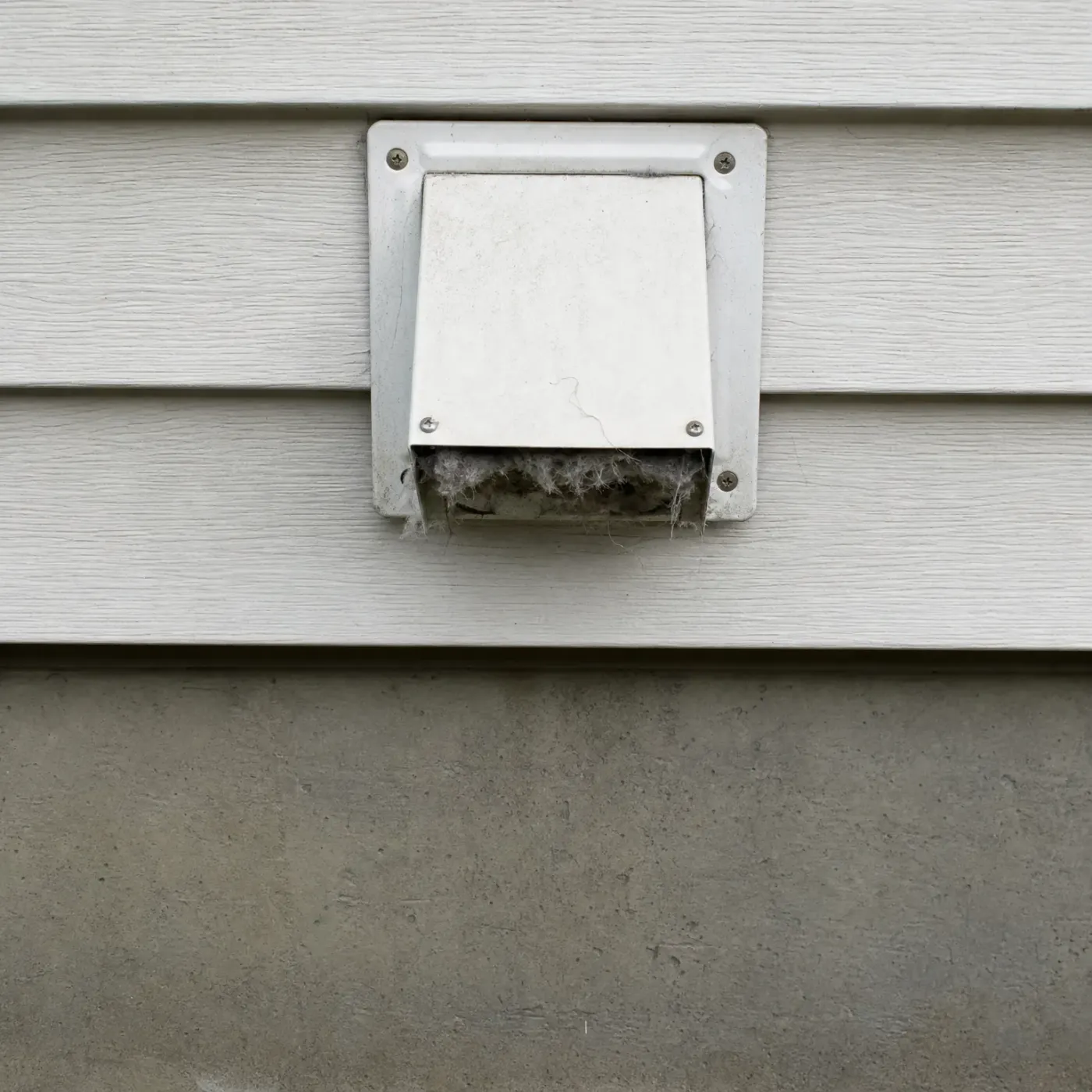
A white plastic dryer vent hood on horizontal lap siding, clogged with thick gray lint and dirt, above a lighter concrete foundation wall.
Before you get your dryer vent cleaning
A white hooded dryer vent with a louvered flap mounted on beige horizontal lap siding above a concrete foundation wall.
After you get your dryer vent cleaning

Send one request and you're done looking

Skip searching for someone who cleans dryer vents in Hamilton County.

No charge to send it. You decide if you hire them.

If you clean it yourself

You can pull the lint trap and wipe it out every load, and you should, but that only catches what collects at the door. It does nothing for the duct running from the dryer to the outside wall or roof. A long or bent run holds lint along its whole length, and a shop vac reaches a foot or two in before it's just pushing air. You can disconnect the dryer and feed a brush through by hand, but most houses route that duct through a wall cavity or a joist bay where you can't get a straight shot at it. If the vent run is short and straight, this is a job you can actually finish. If it bends through the house before it reaches outside, you're cleaning the part you can see and guessing about the rest.

If you get it done by a contractor

A contractor brings a rotary brush sized to your duct and runs it the full length, hood to dryer, with a vacuum pulling the lint out as it goes. That clears the bends and the long runs a shop vac can't reach. They'll also check that the vent hood flap opens and closes the way it should and that the duct isn't crushed or sagging somewhere you can't see. Once the form is in, you're not the one calling around or explaining the problem twice. Someone shows up knowing what you need done and handles it in one visit, instead of you spending an evening on your knees finding out how far the lint actually goes.

A woman in a cream knit sweater reclines on a gray sofa with her eyes closed and a slight smile, covered by a fleece blanket with a closed book on her lap, a lit table lamp and potted plants behind her.
A smiling man with curly graying hair and a dark knit sweater sits at a candlelit dinner table with a glass of red wine, a water glass and a bowl of salad in the foreground, in a dimly lit room with a lamp, framed picture and window behind him.
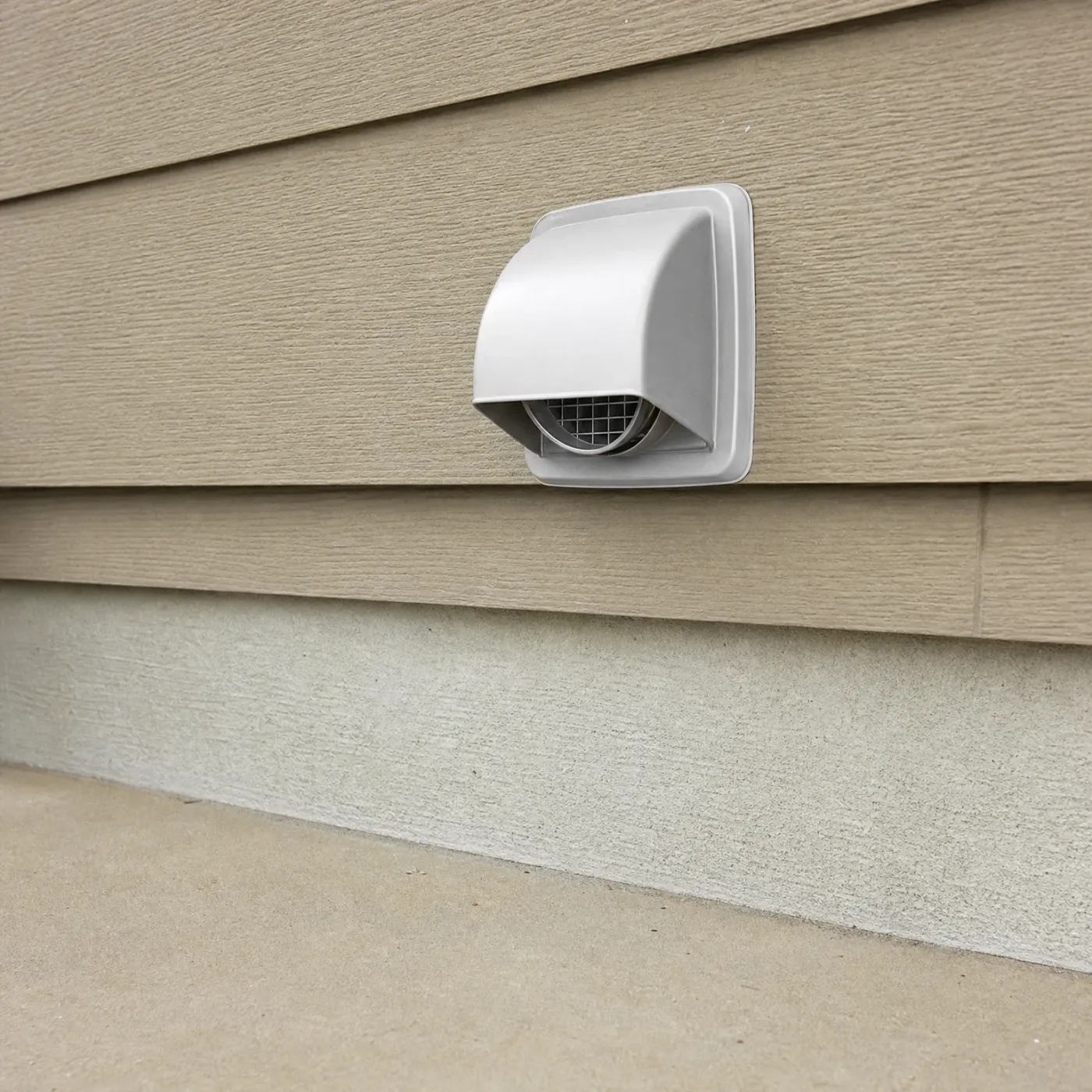
A white hooded dryer vent with a square mounting plate fastened to beige horizontal lap siding above a concrete foundation wall.

The cap sitting open

This is a vent hood doing its job. The louvers swing open when the dryer runs and the lint rides out with the air, so the siding around it stays clean and the screws stay visible.

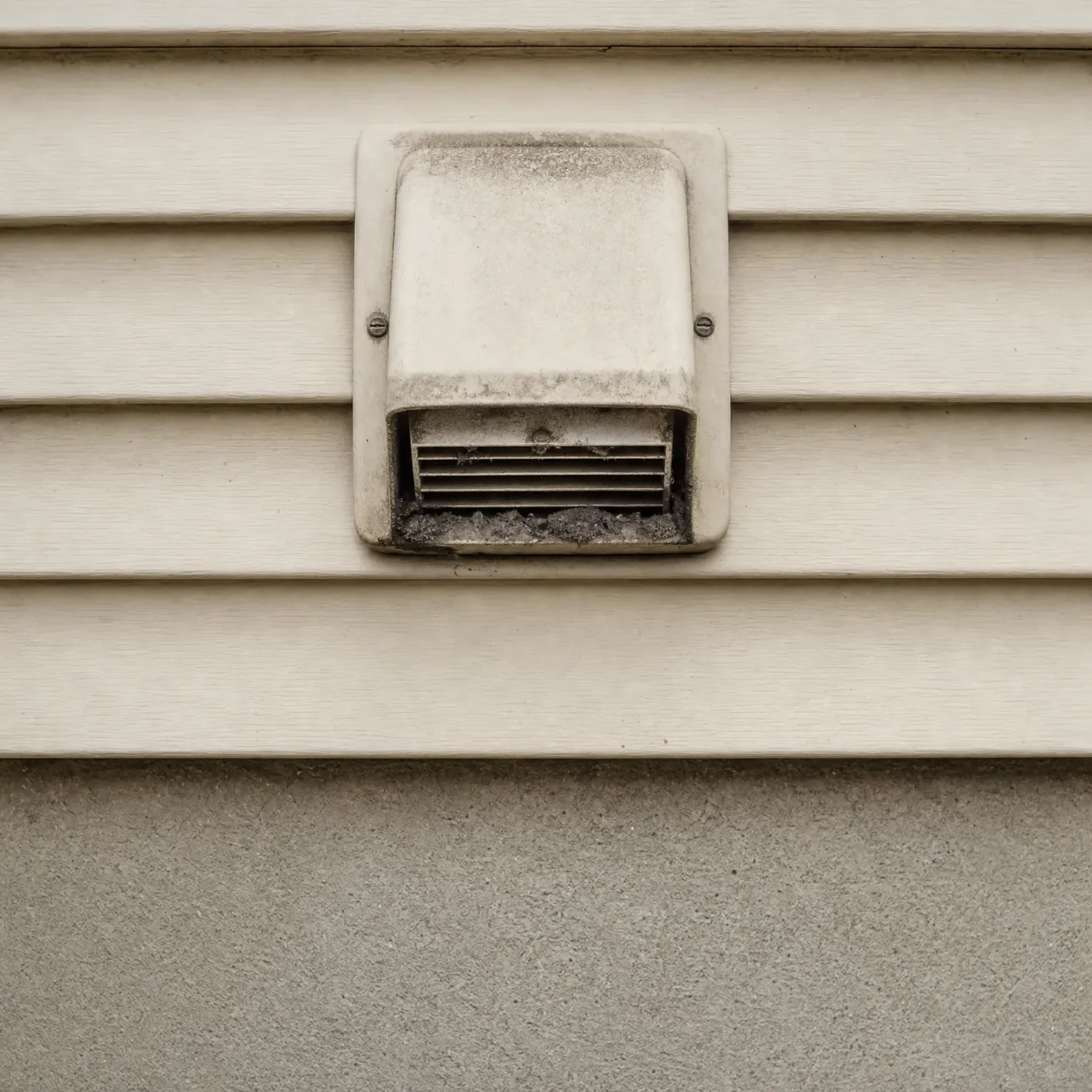
A dusty plastic louvered dryer vent hood screwed into beige horizontal vinyl siding above a gray stucco foundation wall, with lint buildup around the slats.

The cap caked shut

Lint has built up around the louvers until the opening is nearly closed. Air that should be pushing outside is finding resistance instead, and that resistance is what lets heat gather back up the duct toward the dryer.

Why does a clogged vent actually start a fire?

You know lint builds up and blocks airflow, but that alone doesn't explain a fire. You want to know what actually has to happen inside the machine for a blocked vent to turn into flames, not just a warm laundry room.

Trapped heat ignites the lint itself

Lint is paper thin and dries out fast, which makes it catch easily once it gets hot enough. A clear vent carries that heat outside with the exhaust air before it ever reaches that point. A blocked vent holds the heat inside the duct instead, right where the lint has collected. The heating element keeps firing because the dryer has no way to know the air isn't moving. Heat keeps adding to a space that can't vent it off, and the lint sitting in that heat is what catches. It isn't the dryer failing. It's the exhaust path doing the opposite of what it's built to do, holding heat against fuel instead of carrying both away.

  1. Lint sheds off wet clothes with every load you run.

  2. Airflow carries that lint through the duct toward the vent hood.

  3. A blocked duct lets lint settle and build up layer by layer.

  4. Heat from the dryer's element collects instead of venting outside.

A closed laptop and a ceramic mug of coffee on a wooden table, with a blurred kitchen counter, cutting board, utensil jar and plant in the background.

So yes, it's a real risk

A clogged dryer vent in a Hamilton County home is a fire risk, not a maybe. Lint builds up, airflow backs up, heat collects where it shouldn't, and that's the chain that starts a dryer fire. Nothing above changes that answer, and nothing will clean the duct out on its own.

What changes is what you do with that. Instead of searching around for someone who cleans dryer vents, calling a few numbers, explaining the same thing about your laundry room twice, and sorting through quotes to figure out who's worth having in your house, you send one form and let someone else carry that part. The vent still needs a real cleaning. You just stop being the one who has to track that down.

A living room with a cream sofa and knit throw beside a window, with a wooden coffee table in the foreground holding a round woven tray, a small bowl, and a speckled vase of green leafy branches.
A smiling bearded man in a dark blue henley shirt sits leaning back on a light grey sofa in a living room, with a bowl of popcorn on a wooden coffee table and a large window behind him.
A bearded man in a dark quarter-zip sweater sits smiling on a brown sofa in a dimly lit living room, with a bowl of popcorn and a mug on a table in the foreground and a potted plant near a window behind him.
A smiling man with graying dark hair and a beard, wearing an olive sweater, sits on a sofa in a living room beside a bowl of popcorn on a wooden table.
A smiling man in a dark green henley shirt sits on a gray sofa in a living room with a lit table lamp, wooden shelving unit, and a bowl of popcorn in the foreground.

Dryer Vent Cleaning

Finding a pro stops being your job

Answer a few questions about the dryer vent cleaning and skip the search.

A black-framed smartphone standing upright against a plain light gray background, its screen filled with solid green.
Duct and vent cleaningHamilton County, TN
Step 1 of 3

What kind of equipment?