Tennessee HVAC Help

Dryer taking too long to dry in Memphis, TN

Hand it off

A dryer that runs two or three cycles to get clothes dry usually has a vent problem, not a broken dryer. Lint builds up inside the duct, or the vent hood flap outside is clogged, and the dryer keeps pushing air against it. In Shelby County's humidity, that trapped moisture has nowhere to go, so towels and jeans come out damp cycle after cycle. Left alone, it raises your power bill and wears out the heating element faster than it should. Finding someone to clear the vent and check the hood is the part that eats your evening. Send this request and that part is handled. It goes to one local contractor who works on dryer vents around Memphis all the time, not a list of companies calling you back at once. You get a straight answer about what's blocking the airflow and what it takes to fix it.

A dryer that needs two or three cycles to finish is almost always fighting a blocked vent, not failing on its own. Every load pushes hot, wet air down the duct and out through the hood on the outside wall. When lint has built up along the way, that air backs up, so the drum fills with moisture the dryer can't get rid of in one run. Shelby County's humidity makes this worse, since the air coming in to replace what's exhausted is already damp, giving the dryer less of an edge to work with. Left alone, the lint keeps building, cycle times keep climbing, and the motor and heating element run longer than they're built to. A duct that's clear moves air the way the dryer expects, and most of the time that alone brings drying back to one cycle.

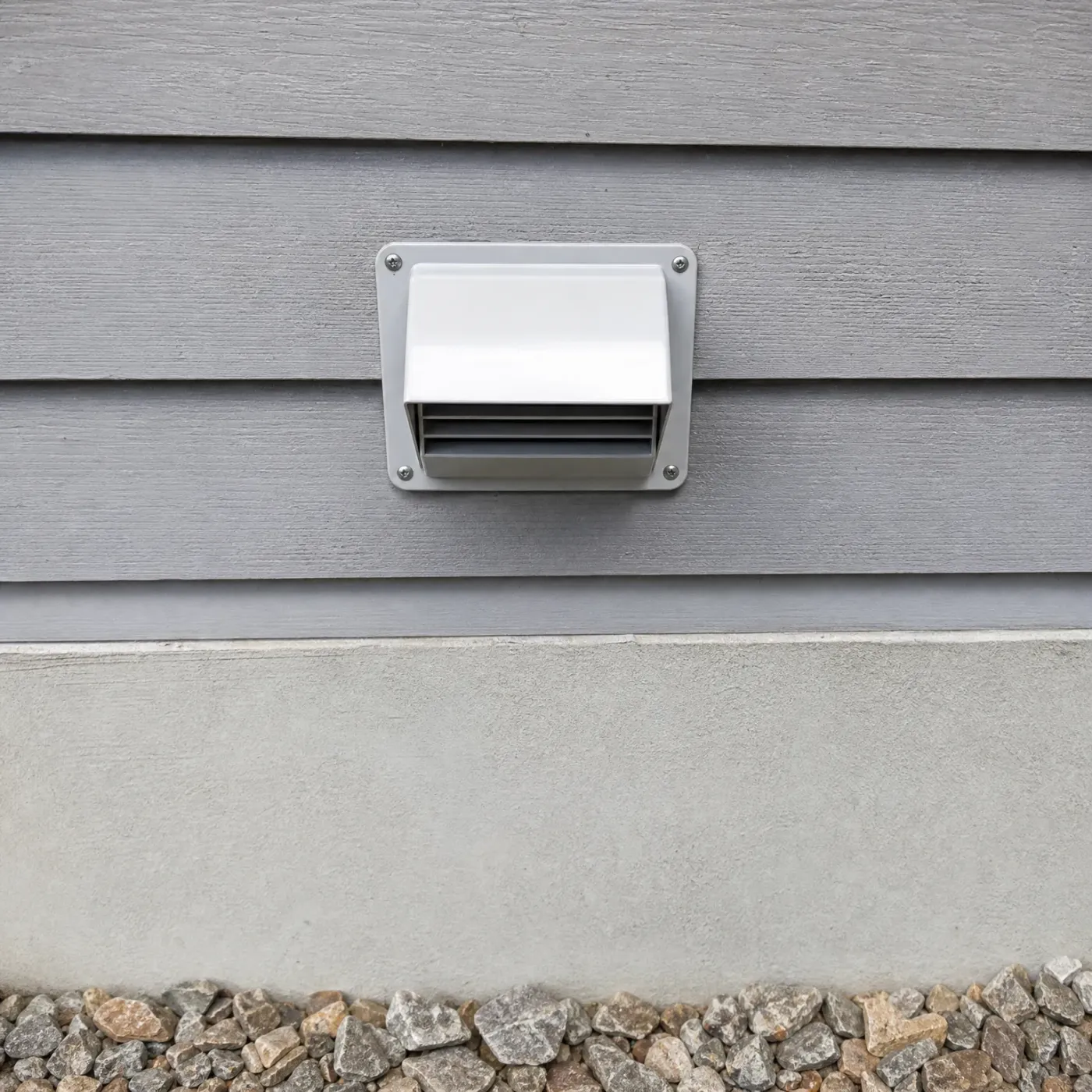
A white hooded louvered vent screwed to gray horizontal lap siding above a concrete foundation wall, with gravel along the ground.

A vent that's doing its job

The louvers swing open when the dryer runs and close when it stops. Air moves out fast, the flap doesn't fight back, and a load finishes in one cycle. Nothing coats the screen because nothing is sitting still long enough to collect there.

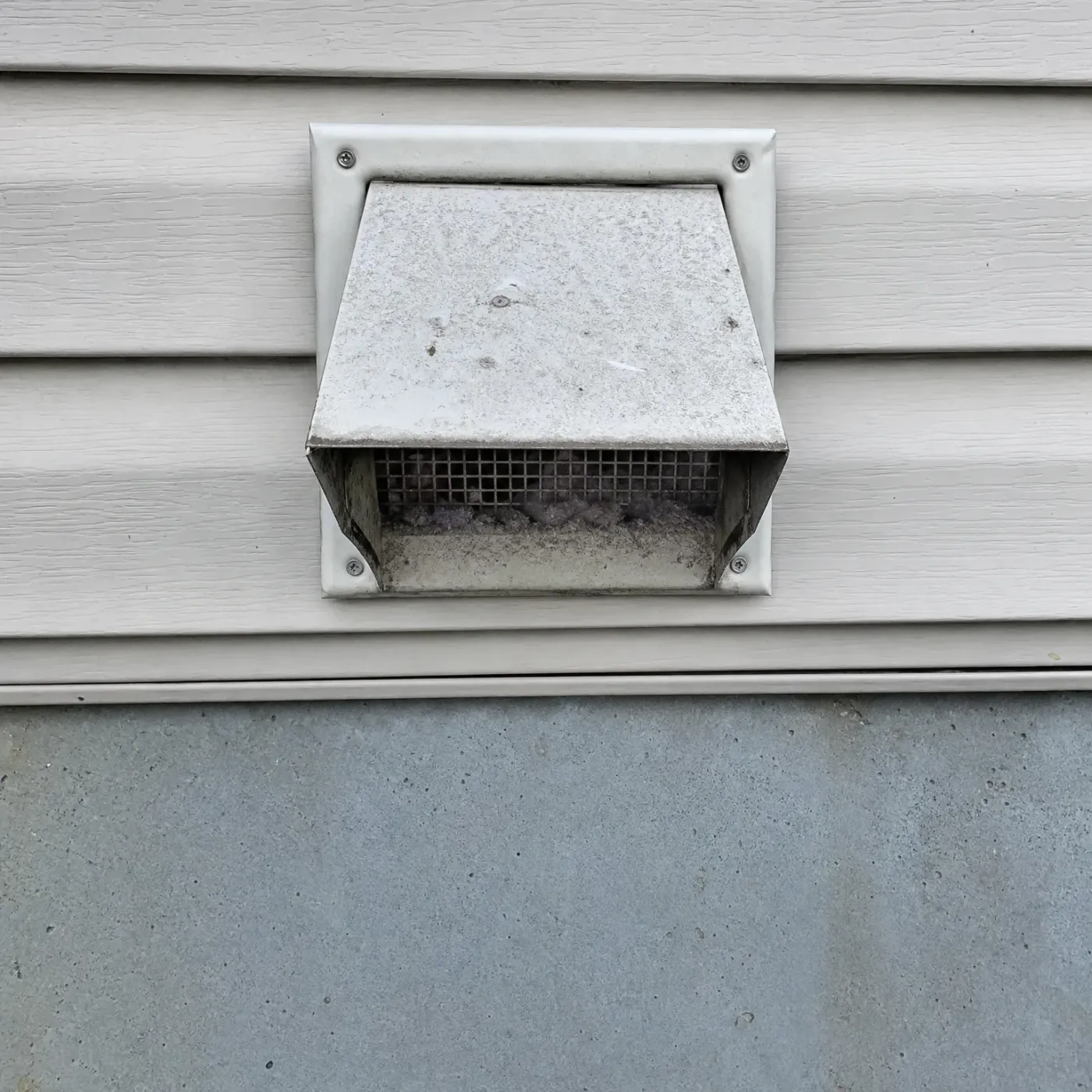
A metal dryer vent hood with a screened opening clogged by gray lint, mounted on light gray horizontal vinyl siding above a concrete foundation wall.

A vent that's choked with lint

Lint has caked over the hood and packed the mesh screen so air can barely get out. The dryer still runs hot, but the moisture has nowhere to go, so it settles back into the clothes. That's what turns one cycle into two or three.

Why does lint in your vent slow down drying so much here?

  • 2.49 people per household on average

    With 2.49 people in the average Shelby County household, most homes run the dryer daily, so lint has a steady supply to build up fast if the vent isn't cleared.

  • Half the homes here were built by 1977

    Half the homes in Shelby County were built in 1977 or earlier, and older duct runs are more likely to have joints and turns where lint catches instead of blowing straight out.

  • Power here costs 13.20 cents per kilowatt-hour

    At 13.20 cents per kilowatt-hour, a dryer stuck running two or three cycles to finish a load is burning extra power every time, not just taking more of your day.

ACS 2020-2024 · EIA-861 2025

A clogged vent doesn't just slow the dryer down. It makes the motor and heating element run longer on every load, since the sensor won't cut off the cycle until it reads dry, however long that takes.

That extra runtime is where the wear shows up first, on the heating element and the motor bearings. A vent cleared out lets the dryer sense dry clothes and shut off on schedule, the way it was built to.

A bearded man in a navy t-shirt sits on a beige sofa, laughing while looking toward a laptop screen visible in the lower foreground, with a houseplant, shelves, and a framed picture behind him.
A bearded man in a plaid flannel shirt stands indoors looking out a condensation-covered window at a snowy landscape, with a speckled mug on the sill and kitchen shelves behind him.

What a longer cycle costs you

A load that used to finish in fifty minutes and now runs ninety is using the heating element and motor for that extra time, every single load. Over a year of daily laundry in a Shelby County house, that adds up on the power bill without you ever seeing a reason why. You'll notice it first in the clothes: towels that feel warm but not dry, jeans that need a second run, a laundry room that stays warmer and more humid than it used to after a cycle. The dryer isn't working harder because something inside it failed. It's working harder because the air it pushes out has nowhere to go.

What it risks if you let it ride

Lint is not just slow, it's flammable, and a duct packed tight with it sits a few feet from a heating element that runs every day. The longer a vent stays blocked, the hotter the air gets before it finally pushes through, and the more lint collects along the way. Most homes here run a dryer daily, so a vent that's partly clogged now doesn't stay partly clogged. It's also hard on the parts that aren't cheap to replace. A motor or heating element built to run fifty minutes a load and running ninety instead wears out faster than it should.

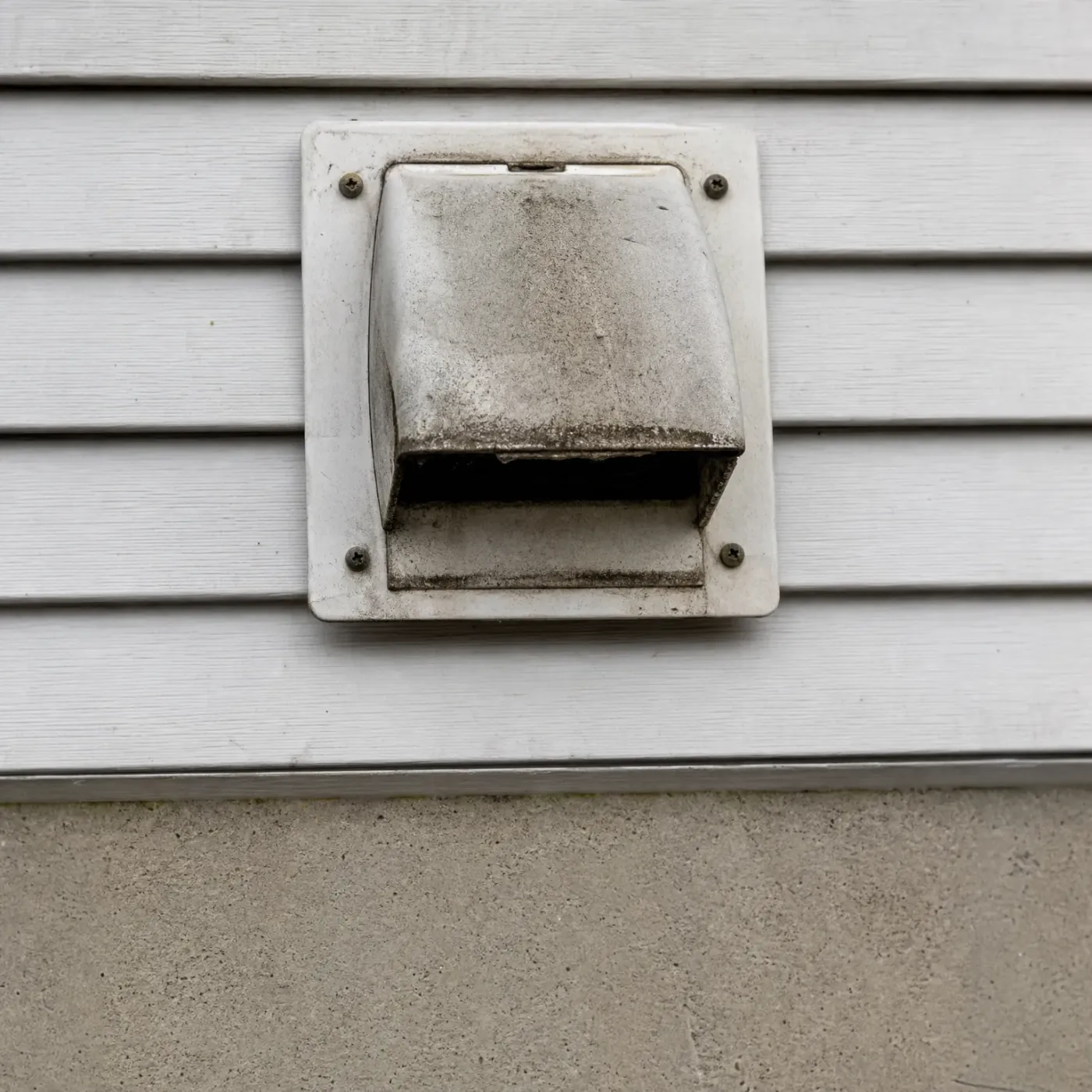
A dirt-streaked white plastic dryer vent hood screwed to light gray horizontal lap siding above a concrete foundation wall.
Before you get your dryer vent cleaning
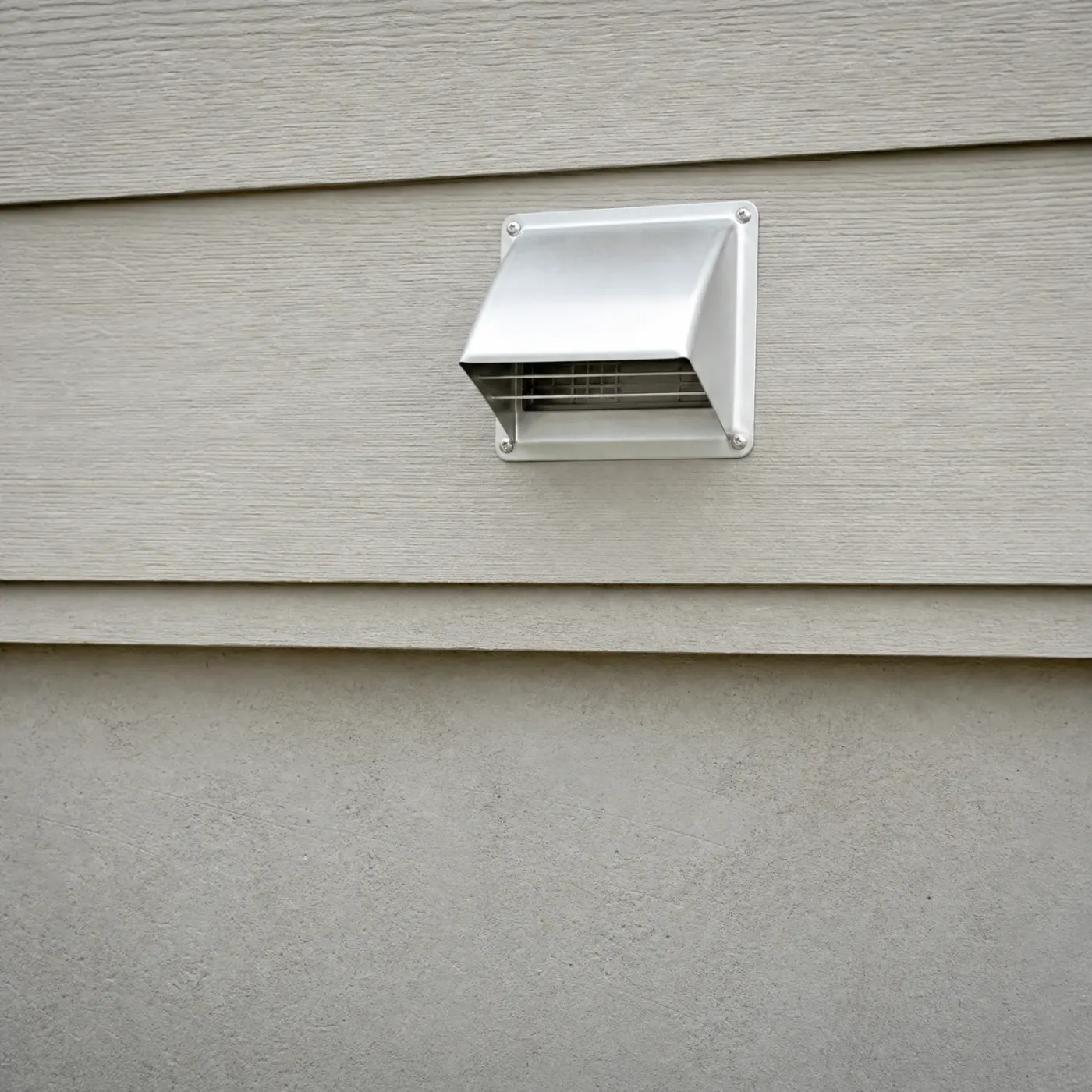
A white hooded dryer vent with a screened opening mounted on beige horizontal lap siding.
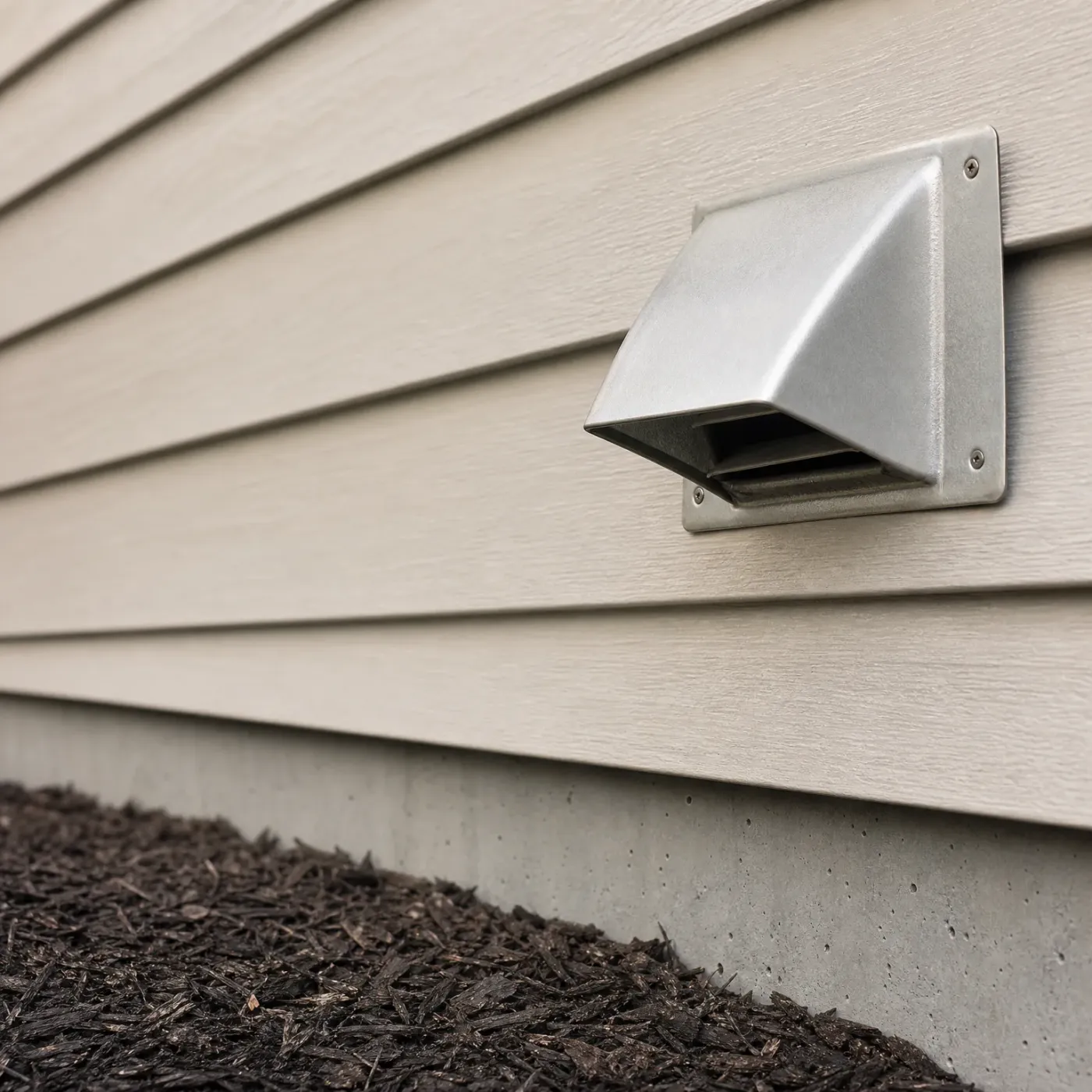
After you get your dryer vent cleaning
A metal hooded exterior dryer vent with louvered opening mounted on beige lap siding above a concrete foundation bordered by dark mulch.

Let someone else find the pro

The pro who gets in touch is licensed in Tennessee and works in Shelby County.

After you send the request, you're done searching.

Reach a local pro

No fee to send it, and nothing to sign.

A white hooded exterior dryer vent with a mesh screen, screwed to light gray horizontal lap siding above a concrete foundation.
Open hood, flap swings free, and the load finishes in one cycle because the air has somewhere to go.
A metal dryer vent hood mounted on beige horizontal lap siding, with gray lint clogging its open flap, above a lighter textured foundation wall.
Lint packed across the flap holds it shut, so the dryer pushes against a wall of its own exhaust.
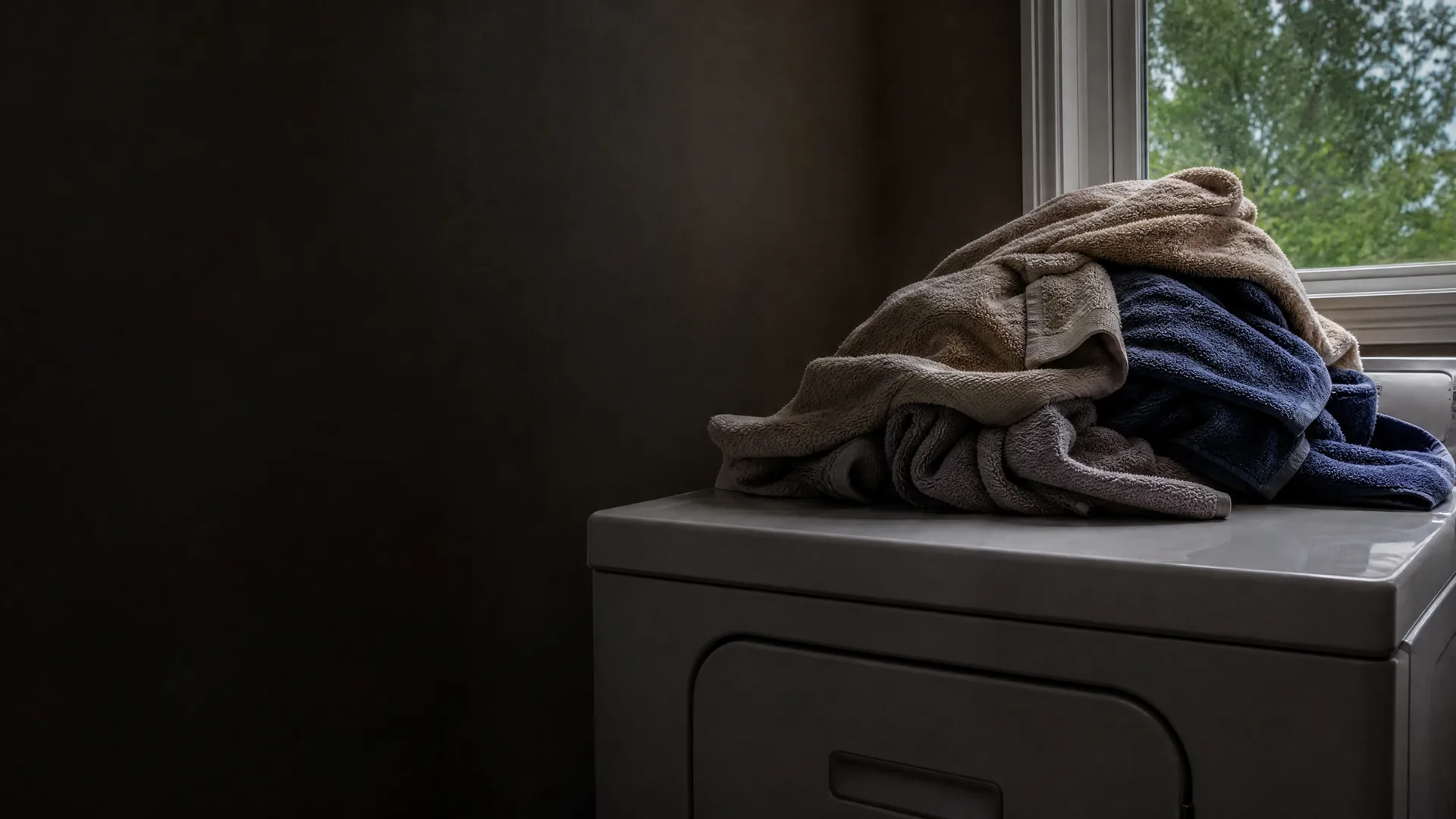
A pile of beige, blue, and gray towels sits on top of a white dryer beside a window with green foliage outside, against a dark wall.

It's a little past seven on a Tuesday, and you've started the dryer three times now. The towels are still heavy when you pull them out, damp at the folds, warm but not dry. You add another twenty minutes and go back to loading the dishwasher, and when you come back the room smells faintly hot, like dust on a lightbulb. The heap sits on top of the machine, pushed to one side so you can get the next batch out of the washer. Outside it's already sticky, the kind of evening where nothing dries fast anyway. You reset the dial again and lean against the dryer, waiting.

Clean the Vent or Keep Losing Time

Clean the vent

  • A contractor runs a brush through the full duct run, so lint that's packed past the point you can reach with a vacuum comes out too.
  • The vent hood flap gets cleared from the outside, so it swings open again instead of holding shut against the dryer's own exhaust.
  • Once the duct is clear, a load goes back to finishing in one cycle instead of two or three.
  • The heating element and motor stop running the extra twenty or thirty minutes a blocked vent was forcing on every load.
  • A local contractor who works on vents all season knows where lint tends to pack hardest in Shelby County duct runs, usually at the bends and the hood itself.

Keep running extra cycles

  • The dryer keeps pushing hot, wet air against a clogged flap, so the moisture sensor won't read dry until the cycle has run long past what it should.
  • Every extra cycle puts more hours on the heating element and motor than the dryer was built to run per load.
  • Humidity from Shelby County summers sits in that trapped lint instead of venting outside, so the clog holds moisture and keeps building.
  • The power bill keeps climbing from the extra runtime, load after load, with no fix to the actual problem.
  • Nothing about the vent gets better on its own, so the next load takes just as long, or longer, than this one did.
A man in a gray knit sweater stands smiling and looking off to the side beside a white marble kitchen island, with a dining table, pendant light, and open shelving in the background.
A smiling man with short dark hair and stubble in a gray sweater sits at a stone-topped counter with a white ceramic mug, in a room with a framed picture, a plant, and shelves holding bowls.
A smiling man in a dark navy sweater sits at a wooden kitchen counter with a light ceramic mug, with white tile backsplash, open shelving and a window with potted plants behind him.
A smiling man with dark hair and a beard, wearing a dark green knit sweater, stands at a kitchen counter with a ceramic mug, with an open living room, sofa, armchair and large windows behind him.

2.49 people per household on average

At 2.49 people, most Shelby County households are running a load most days, not once a week. That steady pace is what packs lint into a vent fast enough to notice, and why a cycle that used to finish clean starts running long again within a season.

ACS 2020-2024

The vent is the fix

  • A dryer running two or three cycles is telling you the vent is blocked, not that the machine is wearing out.
  • Clearing the duct and the hood flap lets air move out fast again, so a load goes back to finishing in one cycle.
  • A contractor who works on vents across Shelby County every season knows where lint packs in first and checks there.
  • You'll be matched with one licensed local contractor for the job, so you're not fielding calls from several companies at once.
  • Once the vent is clear, the heating element and motor stop running longer than they need to on every load.
  • Leaving it alone doesn't fix itself, since lint keeps building as long as the dryer runs.

A dryer that needs two or three cycles isn't wearing out. It's pushing hot, wet air against a duct or a hood flap that's packed with lint and has nowhere left to send it. Clear that path and the dryer goes back to doing what it was built to do: one load, one cycle, done. Nothing about the machine has to change for that to happen. Only the vent does.

This is the kind of job that goes to someone who sees it often, not someone guessing at it for the first time. A contractor who clears vents across Shelby County all year knows the duct runs that trap lint at a bend, the hood flaps that stop swinging free after a summer of daily loads, the spots a vacuum alone won't reach. That's the difference between a brush pulled through the full run and a quick pass that leaves the real blockage sitting where it was.

You'll be matched with one licensed local contractor, not a handful of companies competing for the callback. One visit, one assessment of what's actually blocking the vent, one fix. No chasing quotes, no explaining the problem five times over.

The part worth remembering: this doesn't clear itself. Lint keeps collecting as long as the dryer keeps running, and every cycle that takes twice as long is the motor and heating element working twice as hard to get there. Clearing the vent now is what gets the dryer back to normal, and keeps it there.

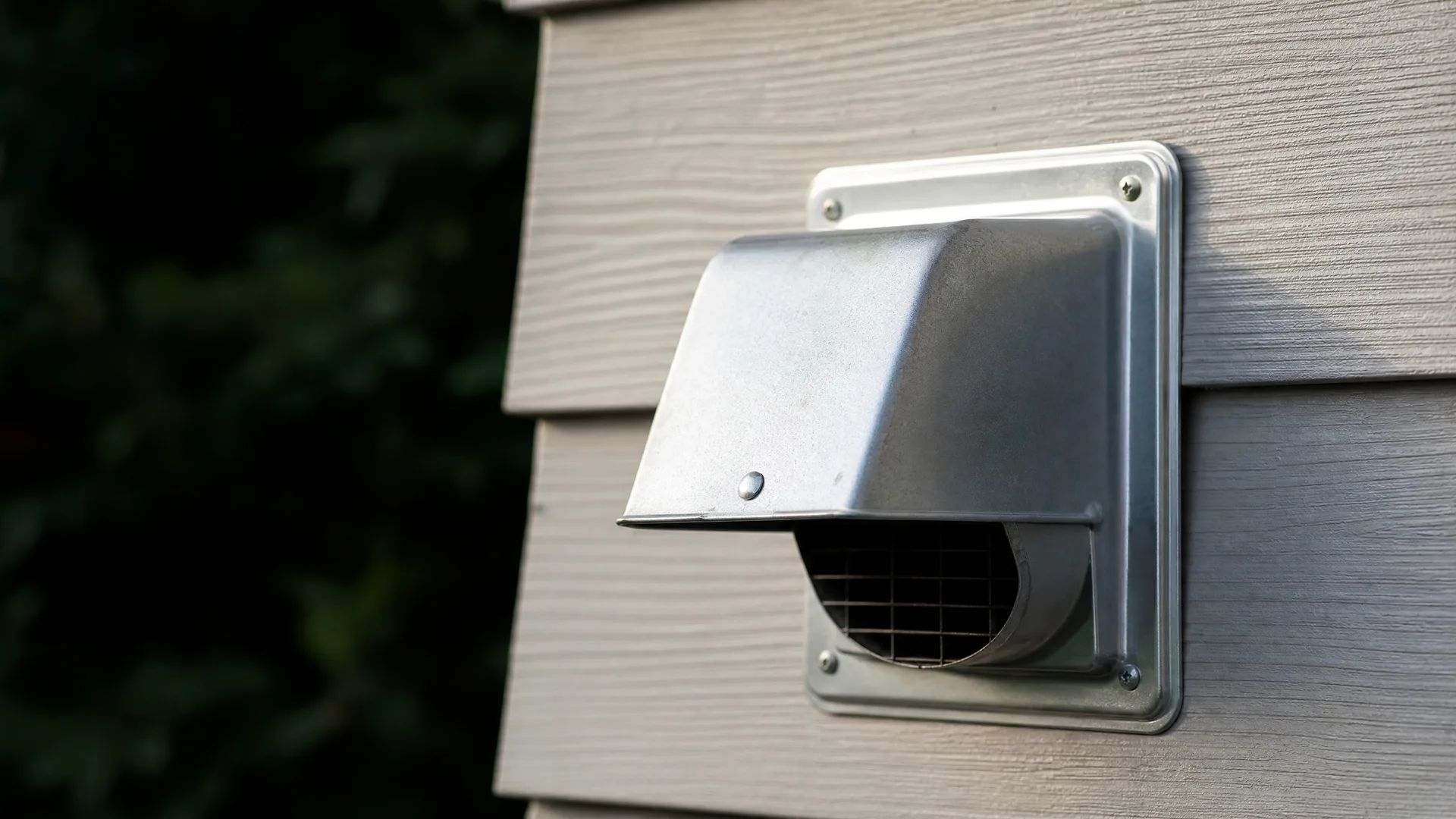
A metal hooded dryer vent with a screened opening screwed to gray lap siding, with dark blurred foliage in the background.

One request and it's handed off

Duct and vent cleaningShelby County, TN
Step 1 of 3

What kind of equipment?