


Why your dryer takes so long to dry in Tennessee

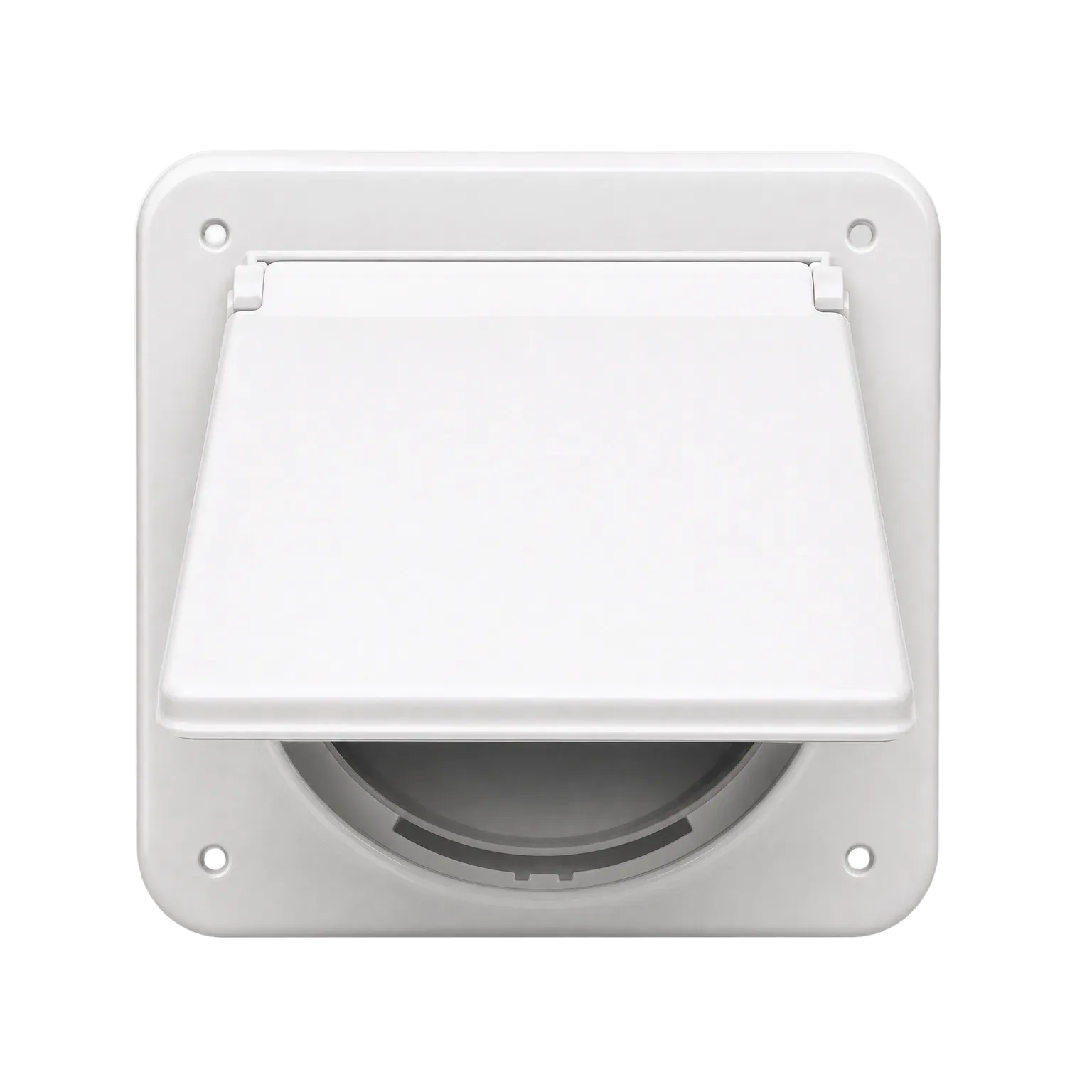
A white square plastic dryer vent hood with a hinged flap propped open, revealing a round duct opening, shown against a plain light gray background.
Get my match

A dryer that runs two or three cycles to get clothes dry usually has a vent problem, not a dryer problem. Lint builds up inside the vent over time, and every load leaves a little more behind until the airflow out of the house slows down. The dryer still heats, but it can't push the damp air out fast enough, so the clothes stay wet and the machine just keeps running. Summers here add to it. Tennessee gets muggy from spring through early fall, and that humidity gets pulled into the dryer along with the room air, so there's more moisture to remove on top of a vent that's already struggling to clear it. A vent that's been clear for years can still clog faster than you'd expect once lint has somewhere to catch, like a crushed section of duct or a long run to the outside. Once the vent is clean and venting properly again, a load should dry in one cycle like it used to.

A woman wrapped in a cream textured blanket sits in an armchair beside a lit lamp and a dark window, with an open book in the foreground.
A smiling older woman with gray hair in a cream knit sweater stands in a dimly lit kitchen beside a window showing snow outside, with a round loaf of bread on the counter in the foreground.
A white hooded exterior dryer vent with a mesh screen, screwed to light gray horizontal lap siding above a concrete foundation.

Clear vent, normal drying

Air moves straight out through the hood and the flap swings open while the dryer runs. One cycle gets clothes dry and the dryer shuts off on schedule. Lint stays where it belongs, caught in the trap instead of packed into the duct.


A metal dryer vent hood mounted on beige horizontal lap siding, with gray lint clogging its open flap, above a lighter textured foundation wall.

Clogged vent, long cycles

Lint has built up inside the flap until it barely opens. The dryer keeps heating but the damp air has nowhere to go, so clothes come out warm and still wet. That's when a cycle stretches into a second or third run.

Is your laundry room hotter than it should be?

Stand near the dryer partway through a cycle. If the room feels warmer than the rest of the house, or the air smells faintly hot and a little like dust instead of clean laundry, that heat is backing up because it has nowhere to go. You may notice the top of the dryer is warm to the touch, or that the outside hood barely moves air when you hold your hand under it. With most Tennessee homes heating on electricity, that trapped heat doesn't cost much to make, but it has nowhere to go but into your laundry room, and into the dryer's own motor and heating element, run after run.

A metal hooded dryer or exhaust vent mounted with screws on gray horizontal lap siding, beside a plain off-white wall surface.

Humidity makes the vent work harder

Tennessee summers run sticky, and that moisture rides into the dryer along with the air it pulls from the laundry room. A vent that's clear pushes that damp air outside in one pass. A vent half packed with lint can't move the same volume, so the moisture has less of a path out. The drum keeps turning past the point it should've shut off, and the air inside stays heavier than it would with a clean vent.

A white metal hooded exterior vent screwed to a square backing plate on light gray horizontal lap siding, with a blank off-white wall filling the left half of the frame.

Electric dryers depend on airflow, not heat

Most homes here heat with electricity, and electric dryers don't burn gas to dry clothes faster. They rely on the heating element pushing hot air through, and a motor pulling that air back out through the vent. When the vent is restricted, the element isn't the problem. The air simply has nowhere to go, so it recirculates damp air past clothes that are already dry, and the cycle runs long no matter how new the dryer is.

Power costs 13.22 cents per kilowatt-hour statewide

Most homes here heat with electricity, and at 13.22 cents a kilowatt-hour, those extra cycles add up fast on your bill. A dryer forcing air through a clogged vent pulls more power to finish the same load, so the cost of a slow vent shows up every month, not just in the time you spend waiting.

EIA-861 2025 statewide residential average

An older man with gray hair and a beard, wearing a dark coat dusted with snow, stands smiling in a doorway of a warmly lit home with a sofa, lamp and window visible behind him.
An older man with grey hair and a beard, wearing a dark coat dusted with snow, stands in a dimly lit entryway with a ceiling lamp, a side table with two shaded lamps, and a lit fireplace visible in a room beyond.
A bearded older man in a dark snow-dusted coat and scarf stands just inside a home's front door, with a lamp-lit room and snowy window visible behind him.
An older man with gray hair and a beard stands in a doorway of a home, wearing a dark coat dusted with snow, with a lit fireplace and lamp visible in the blurred room behind him.

A dryer vent pro near you

You've already run the checks: the lint trap is clean, the hood flap moves, and the dryer still takes forever. At that point the buildup is somewhere in the run of duct you can't see, between the wall and the hood, and no amount of cleaning the trap touches that. A vent cleaning clears the whole length of it, not just the part you can reach. In Tennessee that matters twice over. Summer humidity rides into the vent with every load, and a packed duct holds onto that damp air instead of pushing it out, so the dryer works harder just to keep up. And since most homes here run on electric power, every extra cycle it takes to get a load dry is pulling more electricity at a price you're already paying whether the vent is clear or not. Getting the vent cleaned is the one step that fixes the actual cause instead of working around it. You don't have to track down who does that. Send the request and let a contractor sort out the rest.

One Cycle Is the Goal

  • A dryer that needs two or three cycles almost always points to a blocked vent, not a worn-out machine.
  • Lint collects inside the duct over months, and Tennessee's sticky summer air makes a packed vent work even harder.
  • A hot laundry room or a dusty smell in the air during a cycle both mean heat and moisture are backing up instead of venting outside.
  • Checking the trap and the hood flap only rules out two spots; most buildup sits inside the duct run itself.
  • Extra cycles cost more on an electric bill no matter how cheap the rate is, since a blocked vent pulls more power to finish the same load.
  • Clearing the duct restores normal airflow and gets drying back down to one cycle.

A dryer that runs long isn't wearing out. It's pushing air through a duct that's lost most of its width to lint, and in Tennessee's humidity that trapped moisture has nowhere to go but back into the laundry room. That's the heat you feel standing next to it mid-cycle, and the dusty smell is the same problem. The lint trap and the hood flap are the two spots you can check yourself, and clearing both is worth doing, but they only tell you the blockage isn't there. Most of the time it's further in, packed along the duct between the wall and the outside hood, out of reach of a vacuum or a brush bought at the hardware store. Until that section is cleared, the dryer keeps compensating, pulling more power to force air through a narrower and narrower path, and that shows up on an electric bill every month the vent stays blocked, regardless of how cheap the rate is. None of this means a new dryer. It means the vent needs to be opened back up. Once it is, the airflow does what it's supposed to do: one pass through, out the hood, done. A load goes back to drying in a single cycle instead of two or three. Getting there doesn't take any guesswork on your end. Send the request and let a contractor who clears vents for a living take it from here.

A modern two-story house with dark siding and stone base at dusk, with lit soffit lights, a path of large rectangular pavers set in dark gravel, planting beds, a lawn, and an orange and blue sunset sky above distant trees and water.

Dryer Vent Cleaning

A local pro for your dryer vent cleaning

Duct and vent cleaningTennessee
Step 1 of 3

What kind of equipment?

  • A corner of a room with an upholstered wood-framed armchair holding a floral pillow, a round side table with a ceramic lamp, books and a vase of greenery, a framed landscape painting on the wall, a patterned rug, and a sunlit multi-pane window.
    • Describe your dryer vent job, and a local pro who handles it gets in touch.
    • Say what's going on with your dryer vent, and a pro who works on them reaches out.
  • Interior corner with a wood-framed window showing green foliage outside, a framed landscape print on a beige wall, and a rounded stone vase of leafy branches on a wooden cabinet.
    • One request and the dryer vent cleaning stops waiting on you.
    • Send the request and finding a pro stops being your problem.
  • A pale ceramic vase holding olive branches sits on a dark wooden countertop beside a carved wooden dough bowl, next to a wood-framed window and a light painted plank wall.
    • Skip calling around for someone who cleans dryer vents.
    • Answer a few questions about the dryer vent cleaning and skip the search.
  • A dark wood round side table holding a brass lamp with a cream shade, a blue-and-white patterned bowl, and a white textured pot of greenery, beside an upholstered chair with a gray patterned cushion and a white-framed window showing green trees and flowering shrubs.
    • Your dryer vent cleaning request goes to one local pro.
    • Only one pro gets your request, so you hear from one company.









