
Dryer Vent Cleaning in Elizabethton, TN
Tell us about your home, and a licensed contractor who covers Carter County will get in touch.
Tell us about the job
It takes about a minute.

Cold vents give lint somewhere to stick
Your dryer pushes out warm, damp air, and that air has to travel through a vent that sits in cold space most of the year. From October through May, with winter nights averaging 27°F, the vent itself stays cold. Warm exhaust hits those cold walls and cools fast, and the moisture in it beads up before it ever reaches outside. Lint sticks to a damp wall a lot better than it does to a dry one, so the buildup happens faster than you'd expect.
Once that lint packs in, the vent can't move air the way it should. Moisture backs up instead of venting out, and a clogged vent is also a fire risk sitting behind your dryer.
- 27°F
- the average winter night, and cold vents catch damp lint
- 8 months
- October through May, the vent stays cold
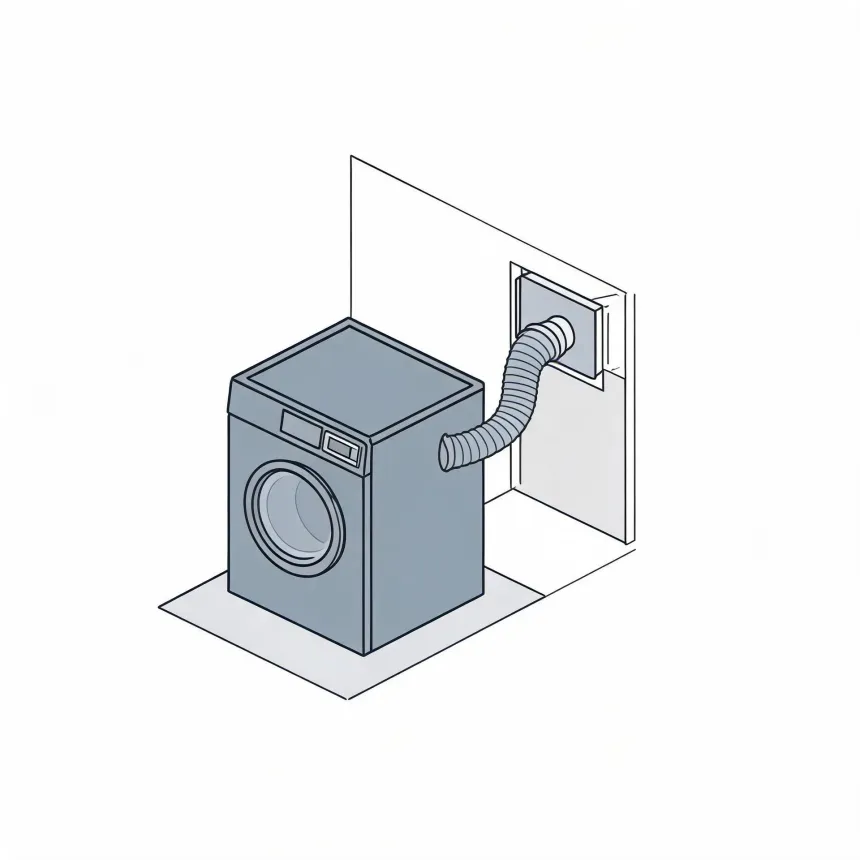
NOAA nClimDiv, 1991–2020 normals
- How often should a dryer vent be cleaned?
- Once a year is the general rule for most households. That keeps lint from building up in the parts of the vent run you can't see, whether it goes up through a wall or straight out the back of the house. If you notice drying times creeping up before the year is out, that's a sign to have it checked sooner.
- Can I clean my dryer vent myself?
- You can clean the part you can reach, but you likely can't clean the whole thing. Pulling the dryer out and vacuuming the first few feet of duct, along with wiping down the lint trap and its housing, is something most homeowners can do safely. The rest of the run needs a brush and rod long enough to reach the vent hood outside, and that's where a proper cleaning makes the difference.
- What are the signs of a clogged dryer vent?
- Clothes taking longer than usual to dry is the first sign, followed by the dryer or the clothes feeling hot to the touch. You might also notice a burning smell, less airflow at the outside vent hood, or more lint than normal collecting around the lint trap. Any one of these is worth acting on, since a blocked vent traps heat and lint together inside the dryer.