
HVAC Installation in Elizabethton, TN
A new system here will heat from October through May and cool from June through August every year. Tell us about the house, and a licensed contractor who covers Carter County will get in touch.
Tell us about the job
It takes about a minute.

Eleven months of the year, your system is working
Elizabethton only gets a real break from heating and cooling for one month. Furnaces and heat pumps run October through May, eight months, with winter nights averaging 27°F. Then the system switches over and carries the cooling load June through August, when afternoons average 81°F.
A new system here has to handle both jobs well, not just one. Most electric heat in Carter County means the heat pump or furnace is doing real work most of the year, and any new install has to meet the federal minimum efficiency rating to be sold and installed today. With 33 winter storms and 24 damaging wind events recorded here over the past ten years, and a fifth of Tennessee households losing power for a full day or more in 2024, it also matters how the system starts back up once the power comes back on.
- 8 months
- October through May, your system heats
- 3 months
- June through August, it cools
- 27°F
- the average winter night it heats against
- 81°F
- the average summer afternoon it cools against
NOAA nClimDiv, 1991–2020 normals
- When should I replace my HVAC system?
- Replace it when repairs start costing more than they're worth or when the system can't keep up anymore. Furnaces and air conditioners wear out faster near the end of their life, and parts fail more often. Homes here need heat from October through May, so a furnace that struggles to keep up matters more than it would somewhere that barely uses one. If you're calling for repairs more than once a season, have a contractor look at whether replacement makes more sense than another fix.
- Should I replace my furnace and air conditioner at the same time?
- If they're close in age, yes, it usually makes sense to replace them together. A furnace and air conditioner installed at the same time are matched to work with each other, and mismatched systems can run less efficiently or wear out sooner. If one unit is much newer than the other, a contractor can install just the one that's failing. Have both inspected before deciding, since it comes down to the age and condition of each one.
- What happens during an HVAC installation?
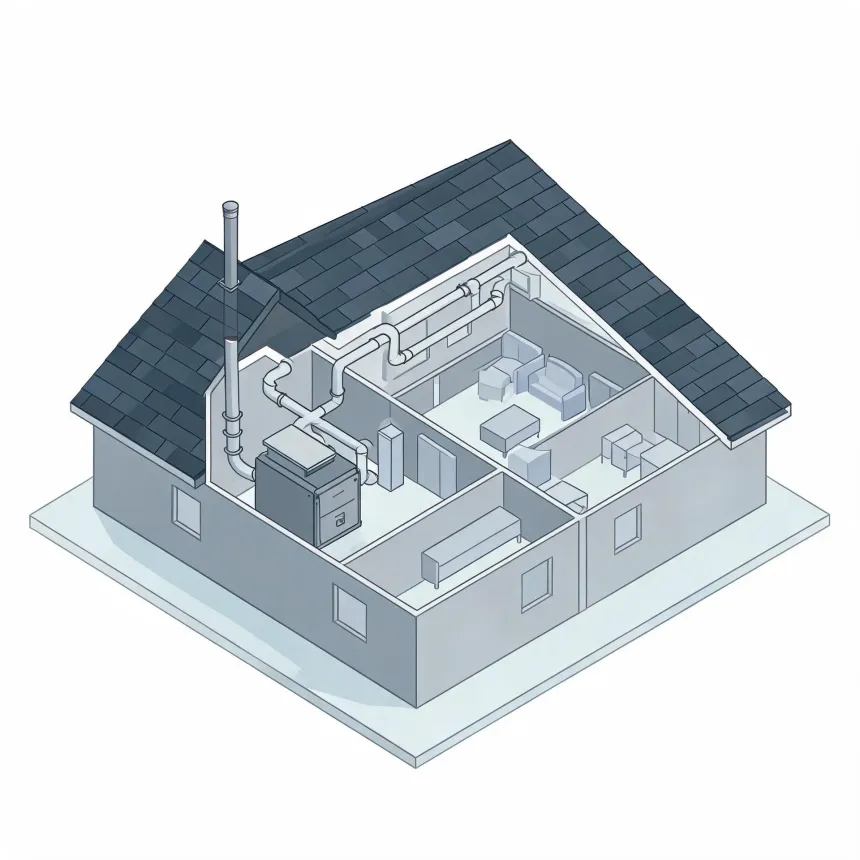
- A contractor first sizes the new equipment to the house, since a furnace or air conditioner that's too big or too small won't heat or cool evenly. The old equipment comes out, and the new furnace, air conditioner, or heat pump is set in place and connected to the ductwork, electrical, and, for gas furnaces, the gas line and venting. Once it's connected, the contractor tests the system, checks refrigerant levels or gas pressure, and confirms the thermostat is working with the new equipment. The exact steps depend on what's being replaced and the layout of the house, so a contractor can walk you through what your installation will involve.