

Clear vent
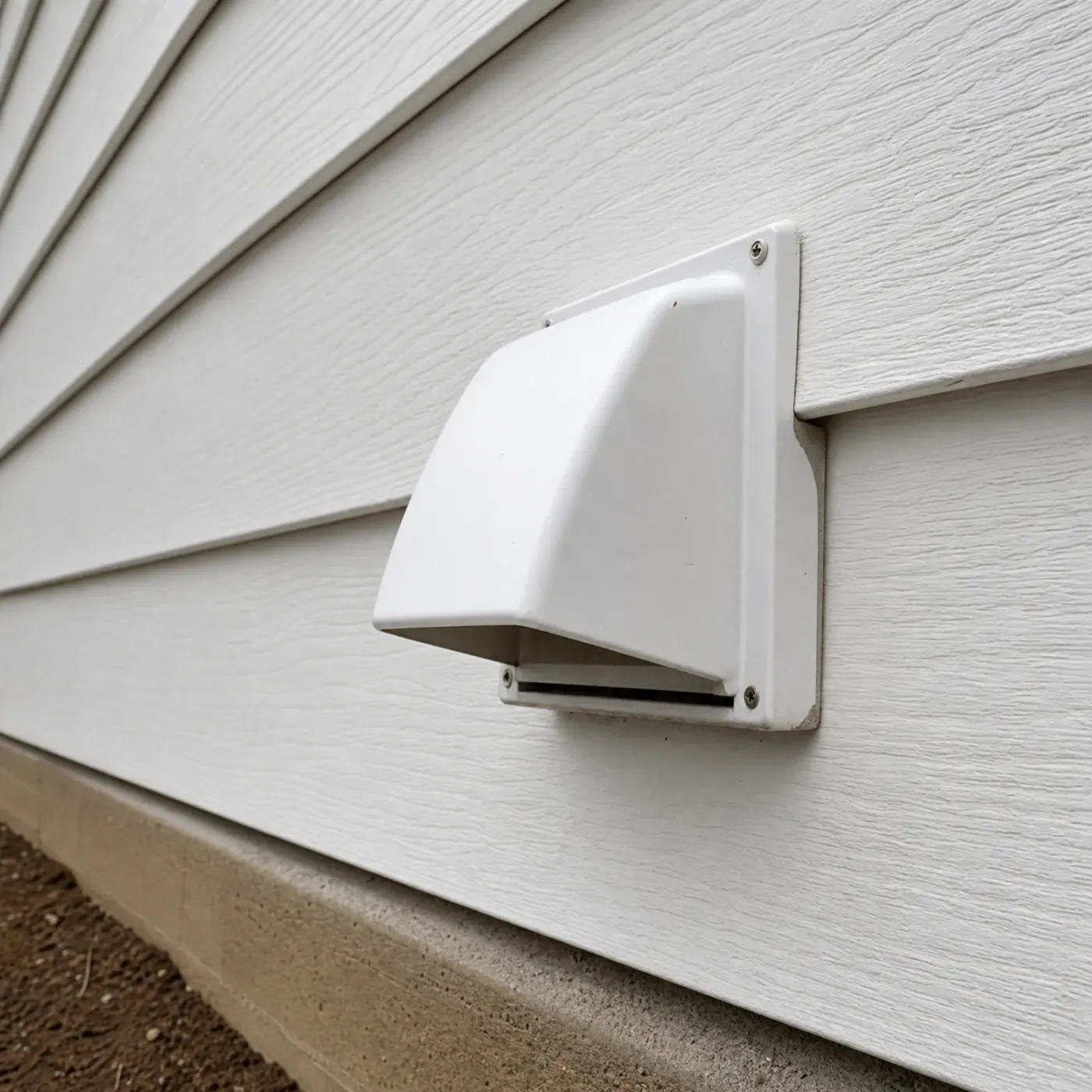
This is what a clear vent looks like. The flap swings open when the dryer runs and closes when it stops, and the screen stays free of lint. Air and heat move out in one steady push, so the drum sheds heat as fast as it builds.
 Skip the calls
Skip calling around for someone who cleans dryer vents.
Yes. Lint is the fuel. A clogged vent traps hot, damp lint right where the heat builds up, and that's what starts a dryer fire. In Tennessee, summer humidity works against you here. Wet air slows drying, so the dryer runs longer and pushes more moist lint into a vent that may already be choked. The dryer works harder, the exhaust runs hotter, and the lint sitting in that line gets closer to its ignition point.
You can spot the warning signs yourself. Clothes that take two cycles to dry. A laundry room that feels hotter than it should. A burning smell with no clear source. The outside vent hood flap that barely moves when the dryer's running. Any one of these means air isn't getting out the way it should, and that backed-up air is exactly what lets lint collect and heat climb.
Finding someone to clear it shouldn't mean an afternoon lost to the problem. You'd normally have to search out a vent cleaning company, call a few, describe the same symptoms three or four times, then sit with quotes trying to figure out who actually knows dryer vents versus who just lists it as a side service. This page skips that. It connects you with one licensed contractor local to Tennessee, someone who deals with vent lines and lint buildup as regular work, not an occasional add-on. You explain it once. No string of calls from competing companies, no sorting through bids to guess who's reliable.
Since most homes here run on electric heat, the dryer vent isn't tangled up with a gas line or combustion exhaust to worry about separately. It's its own system, worth checking on its own terms. A clogged one doesn't announce itself until the signs above show up, or until it doesn't dry a load at all.
You keep seeing warnings about dryer fires and wonder if it's really something to worry about in your own laundry room, or just a scare tactic. You run loads several times a week and the dryer seems to work fine, so it's hard to know if a clogged vent is an actual danger or just a maintenance checkbox.
A dryer pushes hot air through the vent with every load, and lint rides along with it. When the vent is clogged, that heat has nowhere to go, so it backs up into the duct and around the lint sitting there. Lint catches easily and that heat is often enough to ignite it. The dryer running fine is not proof the vent is clear. It just means the motor and drum still work. In Tennessee, humid summers mean clothes take longer to dry and the dryer runs more cycles to get them dry, which means more lint moving through the vent and more chances for it to build up where you can't see it.







It's almost nine on a Tuesday and you've just started the third load since dinner. The towels from the first two are still piled on top of the dryer, damp enough that they haven't made it to the shelf yet. The dryer's been running longer than it used to, and the room feels warmer than the rest of the house. You press a hand to the towels again, checking, then open the dryer door to feel the heat coming off the drum before you close it and let the cycle keep going.
At 13.22 cents per kilowatt-hour, a dryer that's running longer because the vent is clogged is costing you more every single load. That's the same strain that lets lint overheat, so the extra cost and the fire risk come from the same clogged vent.
EIA-861 2025 statewide residential average
Lint builds up along the inside of the vent duct.
Airflow drops, so the dryer takes longer to dry clothes.
Heat has nowhere to go and builds up behind the drum.
Trapped heat ignites the lint sitting in the duct.


Your dryer vent cleaning request goes to one local pro.
Answer a few questions about the dryer vent cleaning and skip the search.
No charge to send it. You decide if you hire them.

Run your hand over the dryer door after a cycle. If the room feels warmer than it should, or the top of the machine is hot to the touch, that's heat that should have gone outside through the vent. Clothes coming out damp after a full cycle, having to run the same load twice, a musty smell in the laundry room even after you clean it out. Those are signs the vent is choked somewhere between the dryer and the outside wall, not just a dryer that's getting old.
Finding out which it is usually means calling around, explaining the same thing to three or four companies, and waiting to see who actually shows up with the right gear to clear a vent run instead of just peddling you a new dryer. A contractor local to Tennessee who cleans vents for a living has likely seen your exact setup before, in a house like yours, and knows what a clogged line looks like before taking it apart. One call, one visit, one answer.

This is what a clear vent looks like. The flap swings open when the dryer runs and closes when it stops, and the screen stays free of lint. Air and heat move out in one steady push, so the drum sheds heat as fast as it builds.

This is what trouble looks like. Lint has packed into the screen until the openings are nearly sealed, and the flap can barely move. Heat that should be venting outside is backing up into the duct instead, sitting right next to the lint that fuels a fire.
A clogged dryer vent is a fire risk, full stop, and the fix is getting that duct clear before heat and lint keep building up behind the drum. You don't need to become an expert in venting to deal with this. A local contractor who services dryer vents all summer, when Tennessee humidity is pushing every machine in town to run longer and shed more lint, has seen what a packed duct looks like and knows where lint tends to pack tightest in homes around here. You get matched with one contractor, not a handful calling and texting you at once, so you explain the problem once and move forward with someone who already knows what to check first. That saves you the usual back and forth of searching around, calling a few companies, and weighing quotes against each other. The vent either moves air freely or it doesn't, and once it's cleared, the dryer goes back to running the way it should.

One form, no calling around



