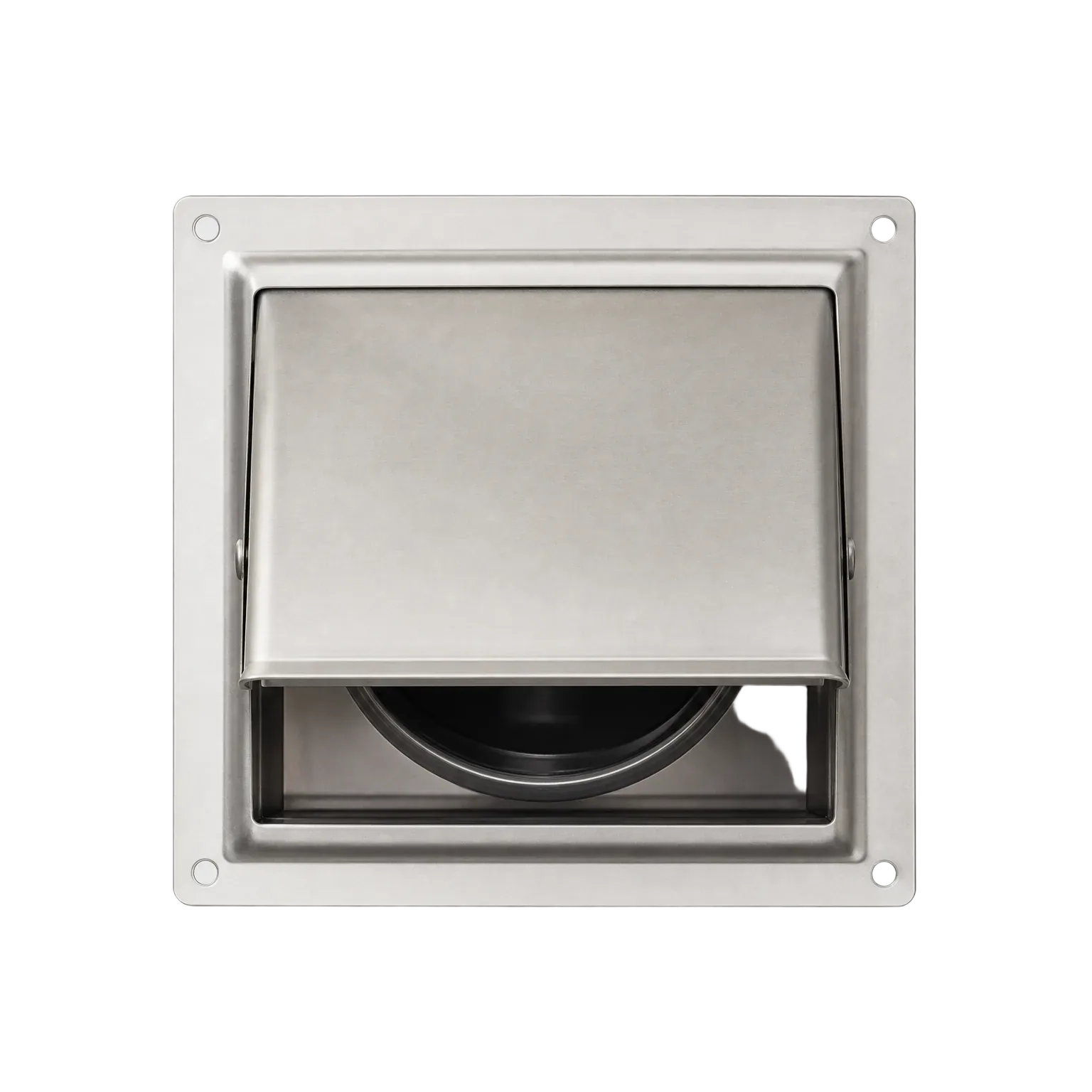
Vent running clear
This hood sits flush on the siding and the flap swings free. Hot air leaves the dryer and keeps going, straight outside. The laundry room warms up while the dryer runs and cools back down soon after.
Your laundry room gets hot because the dryer is pushing heated, moist air into the vent, and if that vent is clogged with lint, most of that heat has nowhere to go but back into the room. A clean vent carries hot air outside in a couple of minutes. A blocked one holds it in the duct and lets it leak out around the drum, the door seal and the vent hose, warming the walls and the air around the machine. Tennessee summers already run hot and sticky, so a laundry room that's fighting a clogged vent on top of that can feel like the warmest room in the house. It also means the dryer runs longer to dry the same load, since the moisture it's supposed to carry out is staying inside with the heat. A vent cleaning clears the path so the heat actually leaves the house instead of building up around your machine.
A dryer doesn't just tumble clothes, it pushes air heated to around 125 to 135 degrees through a pipe and out of the house. That system only works if the pipe is clear. Lint collects along the inside walls of the vent a little at a time, and as it builds, the path narrows. The dryer still makes the same heat, but less of it is leaving. What doesn't go outside comes back into the laundry room. The thermostat inside the dryer senses that trapped heat and responds by cycling the heating element on and off more often, which adds even more warmth to a room that's already struggling to vent it. Meanwhile the dryer has to run longer to finish the same load, since the moist air it's supposed to be clearing out has nowhere to go. That moisture ends up condensing in the room instead of leaving through the vent, which is why the laundry room can end up feeling hot and damp at the same time, especially with how sticky Tennessee summers already are.




Answer a few questions about the dryer vent cleaning and skip the search.
Your dryer vent cleaning request goes to a local pro who does this work.
No charge to send it. You decide if you hire them.
You run a load and the room turns warm fast, warmer than the rest of the house, and it stays that way after the dryer stops. The door or the glass feels hot to the touch. You might smell a faint warm, dusty smell instead of clean laundry. Towels take two cycles to dry instead of one. In a Tennessee summer, with the air already sticky, that room can feel unbearable before the cycle even ends. Beyond the discomfort, a dryer working against a blocked vent runs hotter than it should, and that heat is building up somewhere it isn't supposed to.
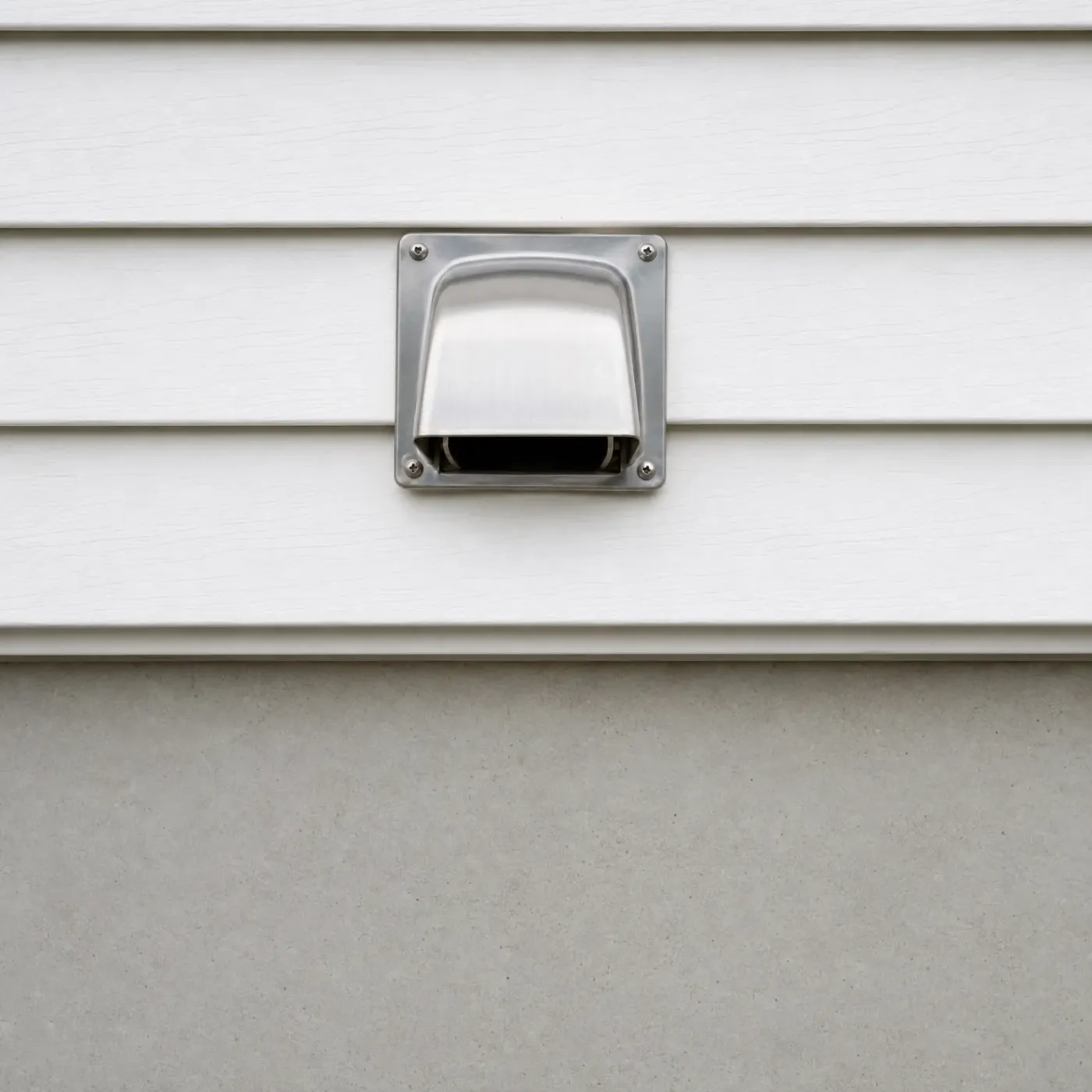
This hood sits flush on the siding and the flap swings free. Hot air leaves the dryer and keeps going, straight outside. The laundry room warms up while the dryer runs and cools back down soon after.
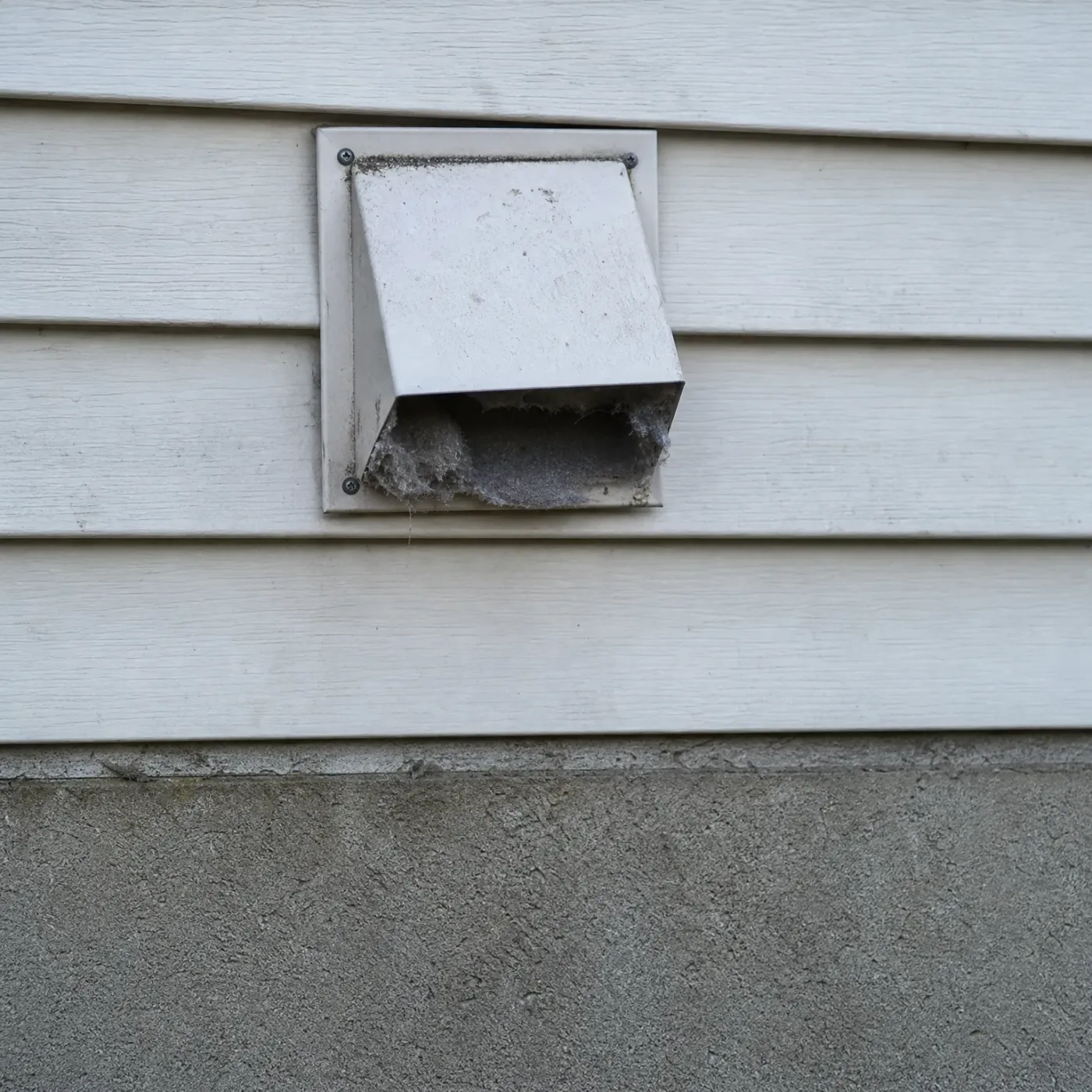
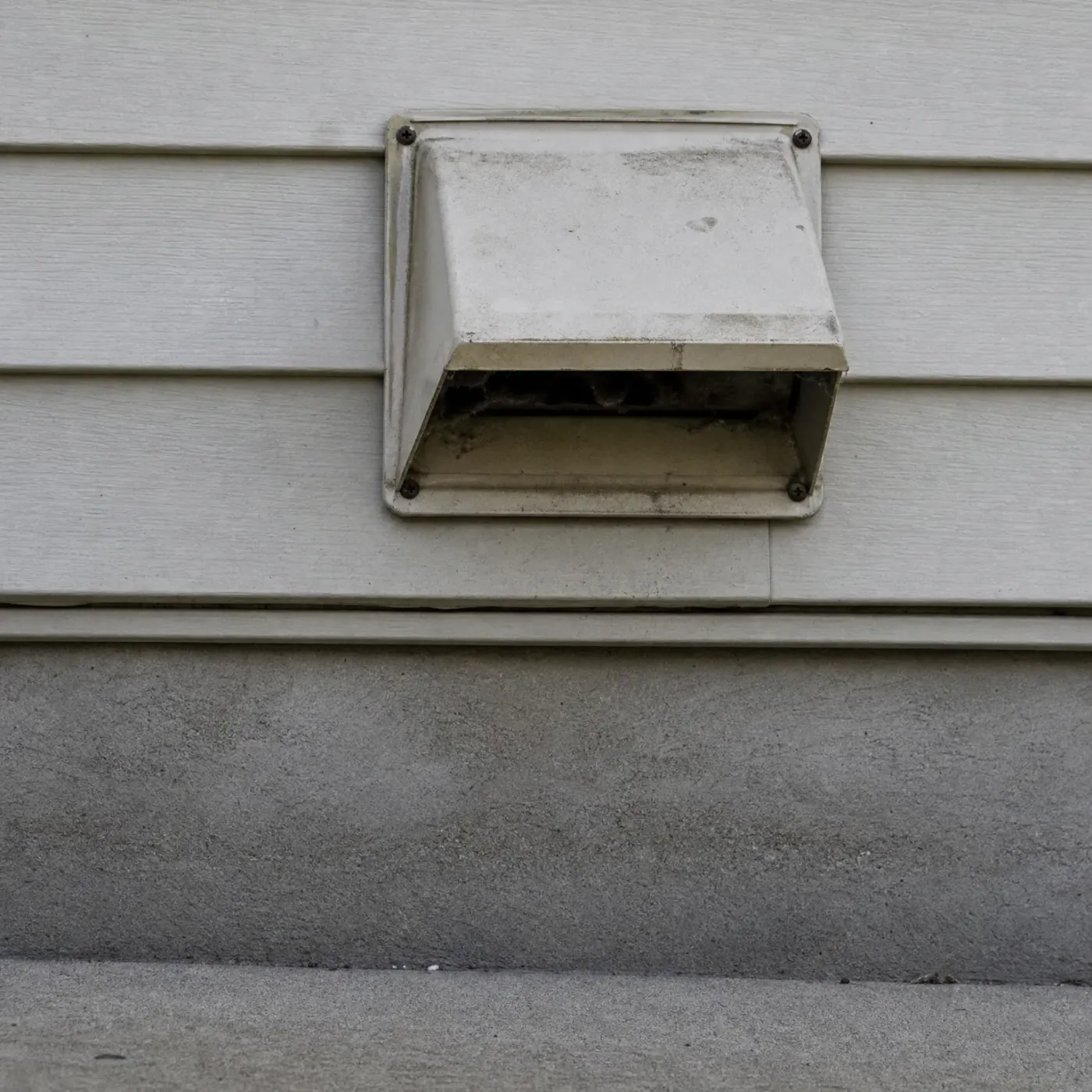
The flap here stays stuck open, held that way by lint built up inside the hood. Air can't push past it, so the heat and moisture back up into the vent pipe and into your laundry room instead of leaving the house.




Most Tennessee homes heat with electricity, and at 13.22 cents a kilowatt-hour that stays cheap. A dryer with a clogged vent runs longer to finish the same load, and it's pushing that heat into your laundry room instead of outside. Clearing the vent gets the heat back out where it belongs.
EIA-861 2025 statewide residential average

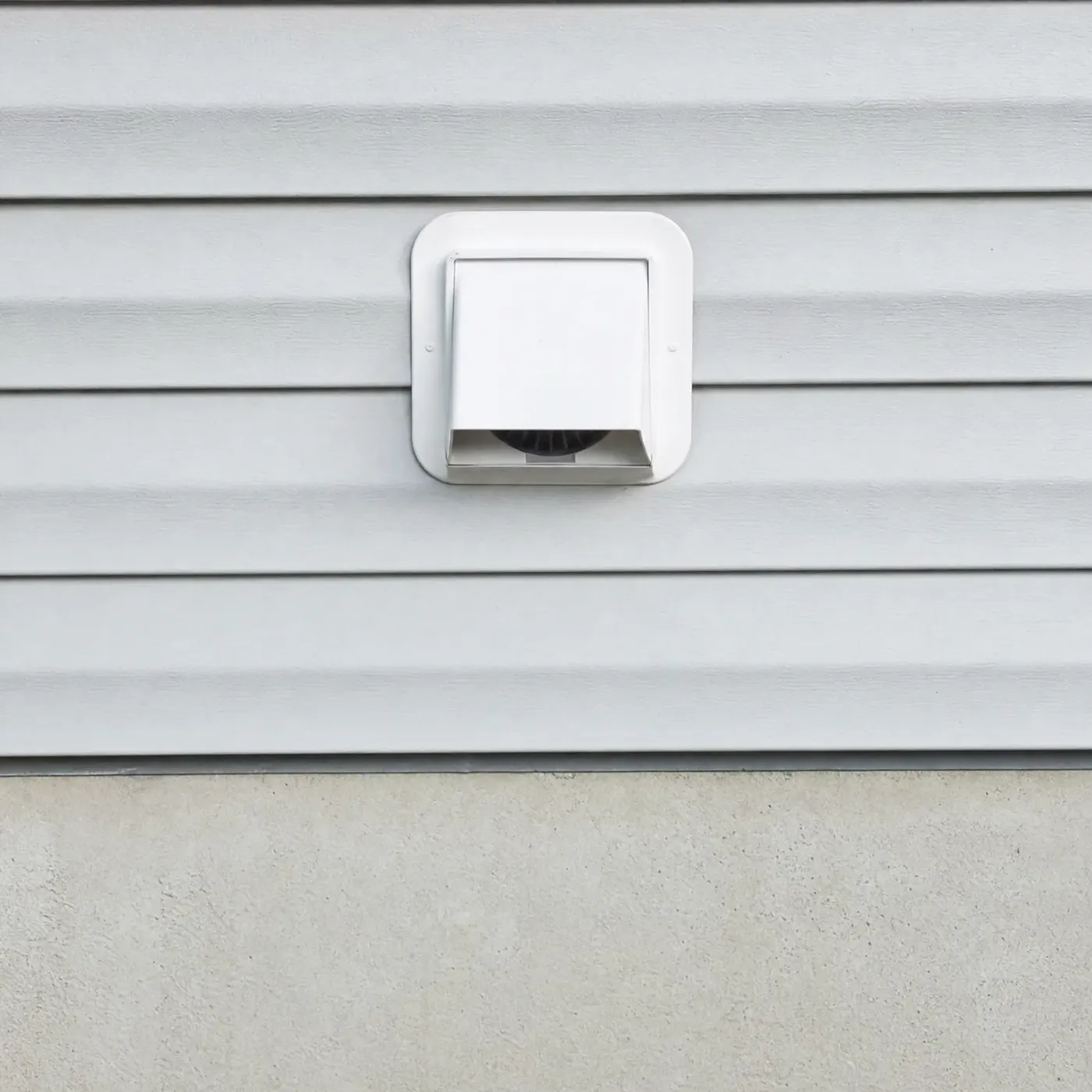
The cap sits flush against the siding and the louvers stay open. Air from the dryer passes straight through and outside, so the laundry room heats up while the dryer runs and drops back down once it shuts off.

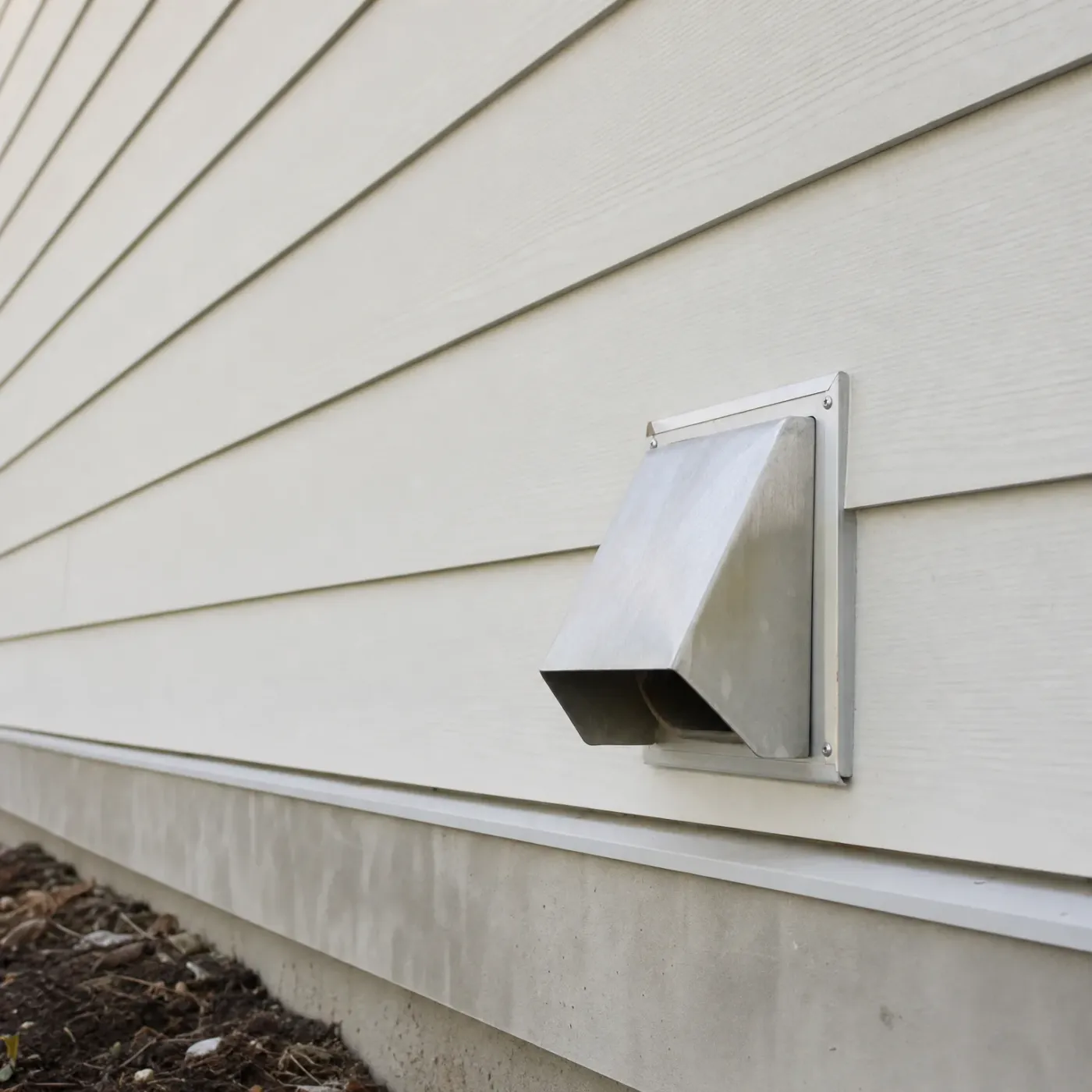
Lint has packed into the louvers and built up across the cap and the siding around it. The dryer keeps pushing air at it anyway, and with nowhere to go, that hot, damp air backs up into the vent and into your laundry room.

Every load that comes out warm and every room that stays hot after the dryer shuts off points the same direction: the air isn't making it outside. That's not something to live with through another Tennessee summer. It's also not something you have to figure out alone, pulling the vent apart to check how bad the lint buildup is.
Finding someone who actually clears these vents, instead of just running a load and hoping it helps, usually means a string of calls, explaining the same hot room and the same dryer three or four times, and sorting through quotes that don't tell you much. Answer a few questions about your laundry room and your dryer, and a contractor who handles this work will reach out to you directly, already knowing what you're dealing with.


Answer a few questions instead of calling shop after shop.